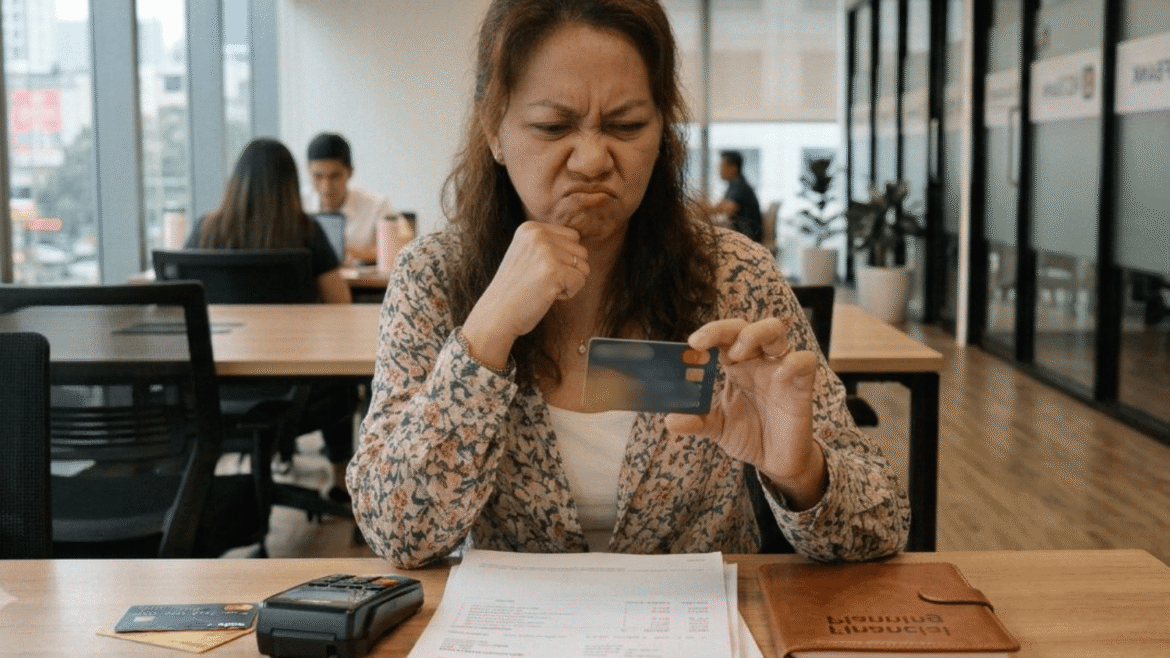
High prices and hidden costs are eroding public trust in Philippine businesses, leading consumers to view the business sector with growing skepticism as everyday expenses continue to weigh on household budgets.
According to the inaugural Philippine Business Trust Index, developed by EON Group and Ateneo de Manila University as part of their 2026 Philippine Trust Study, unreasonable prices, unclear fees, and hidden charges are among the main drivers of customer distrust.
The study gave local businesses an overall trust score of 72 out of 100, placing the sector under “Conditional Trust,” a category in which confidence depends on companies consistently proving their reliability.
None of the nine industries surveyed reached the 81-point threshold for robust trust, while headline inflation climbed to 7.8% in October 2026, adding to the pressure on household budgets.
Among respondents identifying their least-trusted business sector, 19.7% cited unreasonable prices, 14.7% pointed to unclear prices or fees, and 11.7% cited hidden charges.
Meanwhile, 18.9% of those identifying their most-trusted sector cited good value for money, underscoring the importance of fair pricing and transparency in shaping consumer confidence.
Honesty ranked as the leading trust attribute, chosen by 34.6% of respondents, ahead of product quality and corporate competence.
Food and agriculture recorded the highest industry trust score at 75.6, followed by healthcare and pharmaceuticals at 75.4, and commerce and retail at 75.
At the other end of the rankings, real estate and construction scored 67.7, while business process outsourcing and information and communications technology, and tourism and travel, both scored 68.6, placing them in the “Fragile Trust” category.
Industry-specific concerns included delayed property turnovers, surprise cancellation fees, and difficult-to-navigate automated customer service.
Company size made little difference, with large corporations scoring 72.3 compared with 71.7 for micro, small, and medium enterprises, a gap that fell within the study’s margin of error.
Focus groups also found that some consumers continue patronizing businesses they distrust because alternatives are limited or switching costs are high. Employees, meanwhile, pointed to broken management promises and poor workplace transparency as sources of internal distrust.
The study involved face-to-face interviews with 800 adults across 160 barangays in 84 cities and municipalities from May to August 2026, alongside focus groups with 82 participants and interviews with 18 business executives.