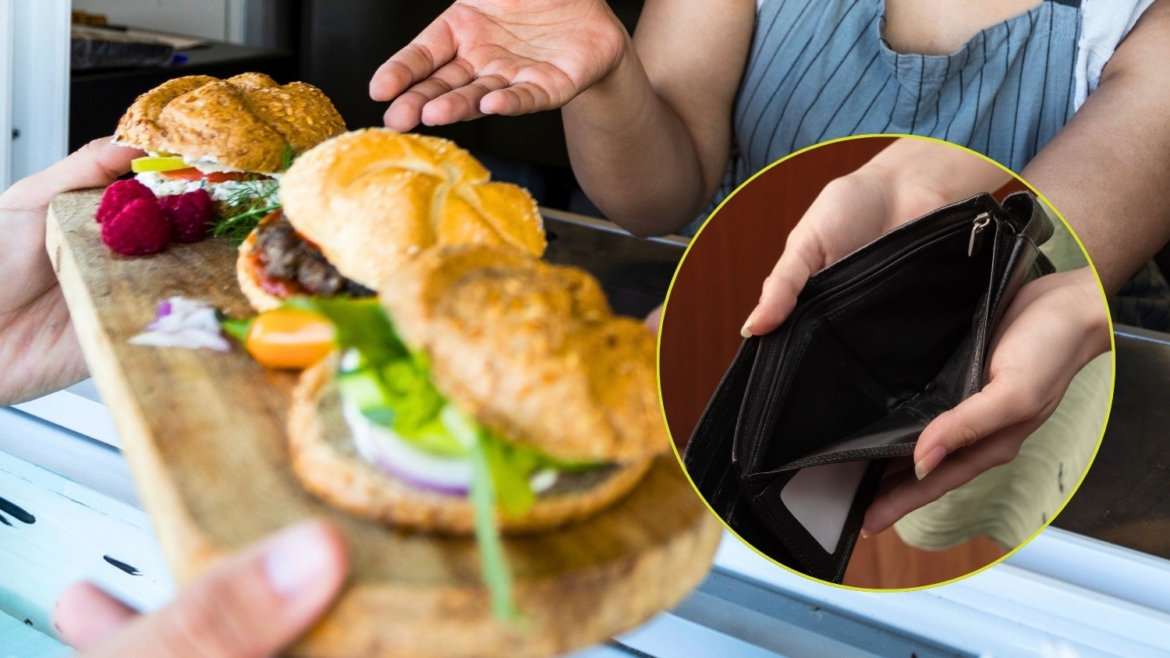
Higher wages, food costs, rent and other operating expenses are forcing restaurant owners to rethink prices.
A serving of fries may look overpriced to a customer, but behind that price is a restaurant industry dealing with higher wages, food costs, rent, utilities, taxes, and other operating expenses.
Chef, restaurateur, and content creator Edward Bugia, or Chef Ed to many, posted on Instagram about a customer complaining about the price of his fries. While acknowledging the higher price, he explained that smaller restaurants cannot always match the prices of major fast-food chains because of their different cost structures.
The chef said the industry is not against higher wages, but argued that businesses are struggling to keep up with the rising operating costs of doing business in the Philippines.
Metro Manila’s latest minimum wage increase added ₱60 to the daily rate for non-agricultural workers, bringing it to ₱755. For a restaurant with 10 employees earning the minimum wage, that translates to an additional ₱600 in daily payroll costs.
Payroll, however, is only one part of the equation, especially as data from the Philippine Statistics Authority showed that accommodation and food service businesses generated ₱874.7 billion in revenue in 2024.
Their expenses, however, reached ₱763.3 billion after rising 44% from 2022. Restaurants and mobile food services accounted for ₱641.8 billion of the sector’s revenue and ₱568.9 billion in expenses.
Customers are also feeling the squeeze, with accommodation and food service inflation reaching 7% in June 2026, while food prices rose 5.2% during the month.
That leaves restaurants with a difficult choice, as higher prices can help cover rising costs, but customers already have less room in their budgets.
The chef also pointed to mandatory senior citizen and PWD discounts, which businesses have to honor at the point of sale, and suggested tax credits or other government support as possible ways to ease the burden.
The industry itself is still growing, with accommodation and food service activities expanding 5.9% in the fourth quarter of 2025. But higher sales do not automatically translate into higher margins, especially for smaller restaurants competing with chains that benefit from scale.
Key industry players say the next challenge is keeping restaurants viable without pushing prices beyond what customers can afford, especially as smaller businesses face costs that large chains can spread across hundreds of branches.
READ: