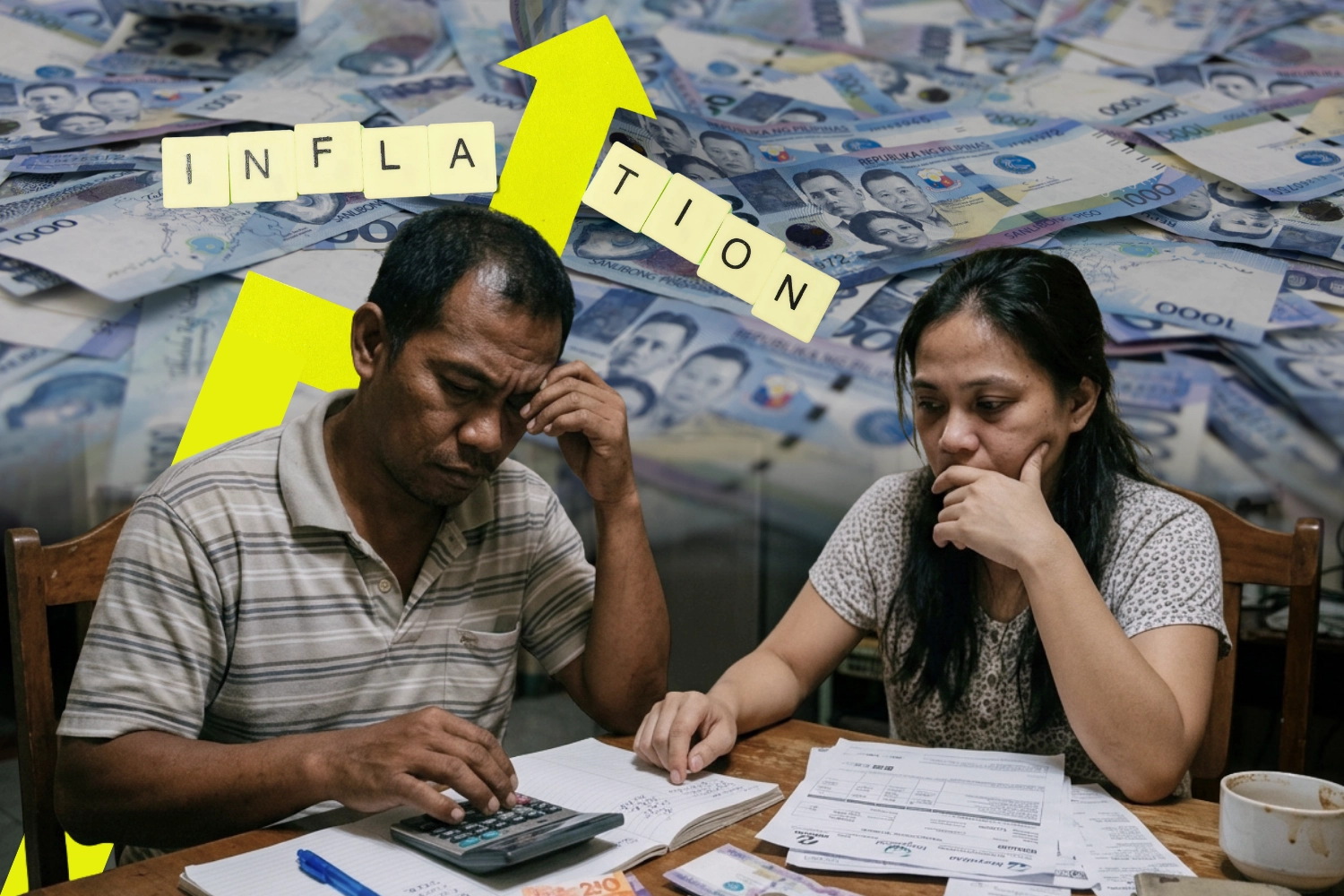
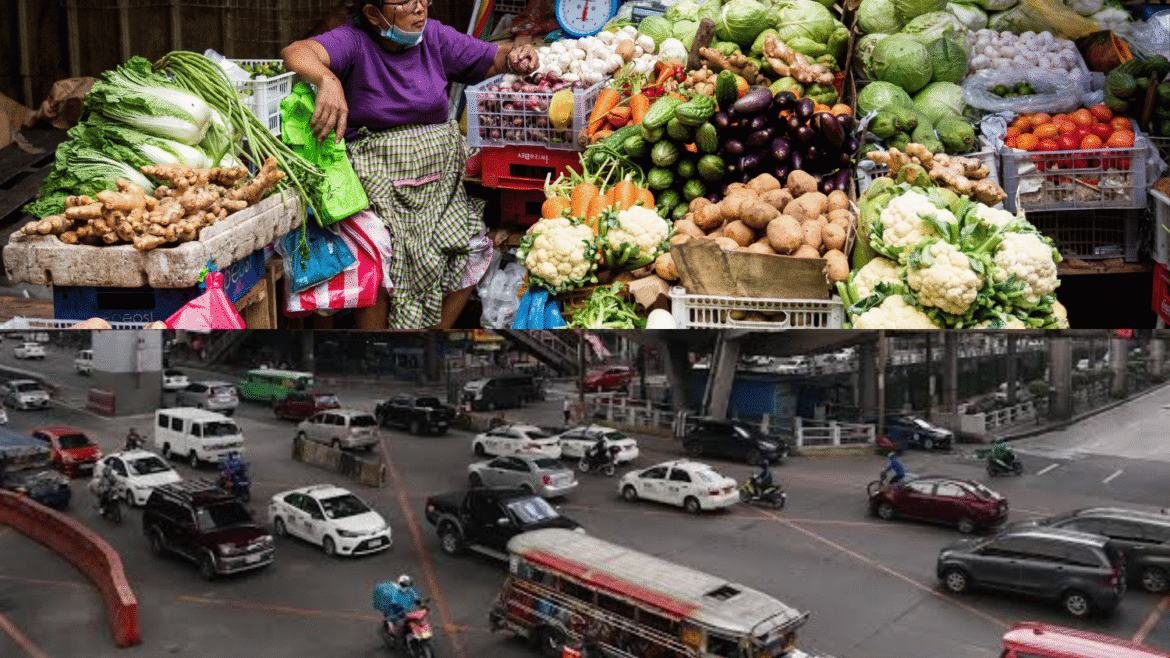
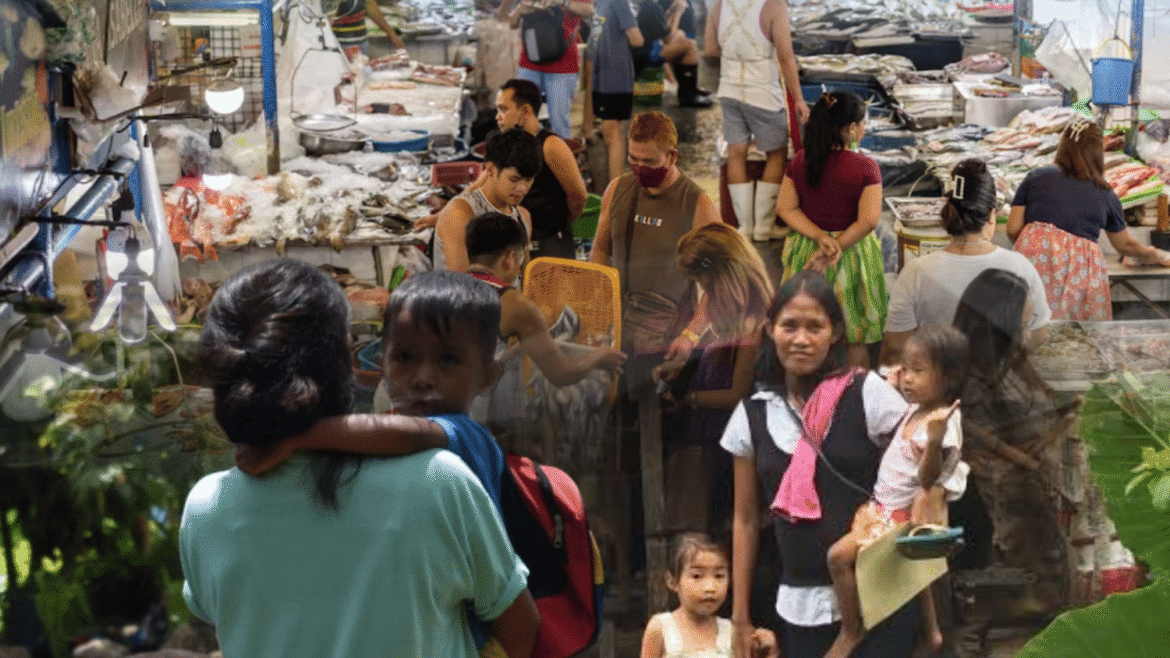
The Philippines recorded the highest inflation rate in Southeast Asia in October, with prices rising faster than wages and further squeezing household budgets, according to research group IBON Foundation.
Inflation accelerated to 7.8% in October from 7.2% in September, driven mainly by higher transport, housing, electricity, and fuel costs, based on data from the Philippine Statistics Authority (PSA).
IBON’s comparison of the latest available regional figures placed the Philippines ahead of Laos at 7.7%, Cambodia at 5.3%, Vietnam at 5.1%, Indonesia at 3.2%, Thailand at 2.8%, Singapore at 2.2%, and Malaysia at 1.8%.
The impact was more severe among low-income households, whose inflation rate reached 9.5% in October, compared with the national average of 7.8%, according to the PSA.
This means everyday expenses are rising faster for families, leaving them with less money for other needs after paying for food, transportation, electricity, and housing. The pressure is particularly heavy on low-income households, which spend a larger share of their earnings on basic necessities and have fewer resources to absorb successive price increases.
Even when households continue earning the same income, their money buys fewer goods and services, forcing some to cut back on nonessential purchases, delay payments, or dip into savings to cover daily expenses.
IBON said rice prices increased 24% year-on-year to ₱49.90 per kilogram, while gasoline prices rose from ₱58.15 to around ₱90 per liter. Meralco electricity rates also climbed 13.1% to ₱15.06 per kilowatt-hour.
Meanwhile, the national average of regional minimum daily wages rose by only 6.9% to ₱521 in October from ₱487 a year earlier, falling behind both headline inflation and the price increases experienced by the poorest households.
The average daily minimum wage is also less than 40% of IBON’s estimated ₱1,327 living wage for a family of five, leaving a daily shortfall of ₱806.
At an estimated ₱11,325 monthly, the average minimum wage also falls below the official monthly poverty threshold of ₱14,634 for a family of five.
IBON blamed the worsening cost-of-living crisis on the government’s response to rising prices, arguing that existing assistance and price-control measures have been insufficient.
The group also called for stronger domestic food production, higher wages, and greater government intervention in essential commodity prices to reduce households’ exposure to global price shocks.