The Philippines is governed by politicians who make decisions about hardships many of them have never personally experienced.
They legislate wages they do not have to survive on. They oversee public schools their children may never attend. They approve transportation policies without enduring the daily commute. They allocate healthcare budgets while enjoying medical privileges beyond the reach of ordinary Filipinos.
And when government services fail, their money, connections, and influence can provide alternatives unavailable to most citizens.
This is the troubling disconnect in Philippine governance: Policies affecting millions are often shaped by people insulated from their consequences.
Here are five realities privileged politicians should experience firsthand.
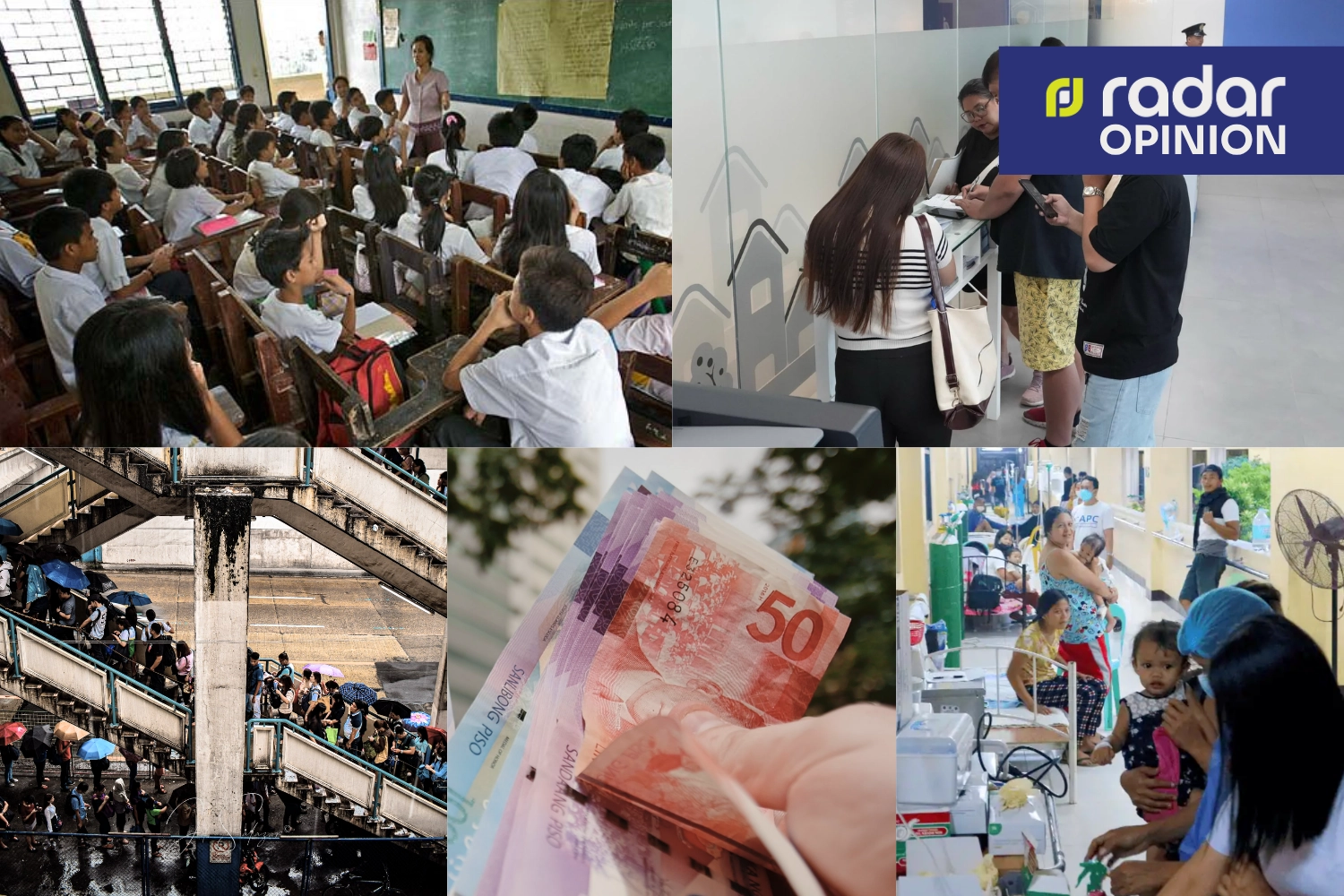
1. Commute using public transportation
No private SUVs. No police escorts.
Queue for the MRT, ride a crowded jeepney, and endure rush-hour traffic.
According to the 2025 TomTom Traffic Index, Metro Manila motorists lost an average of 143 hours, nearly six days, to rush-hour congestion.
For workers, those hours mean lost sleep, family time, and productivity.
2. Spend a week in a public school
Sit inside an overcrowded classroom without air conditioning. Experience the heat, inadequate facilities, and shortage of learning spaces.
In July 2026, the Second Congressional Commission on Education reported a nationwide backlog exceeding 166,000 classrooms. DepEd, using its own estimates, placed the shortage at 143,543.
These are not merely infrastructure statistics. They represent compromised learning conditions.
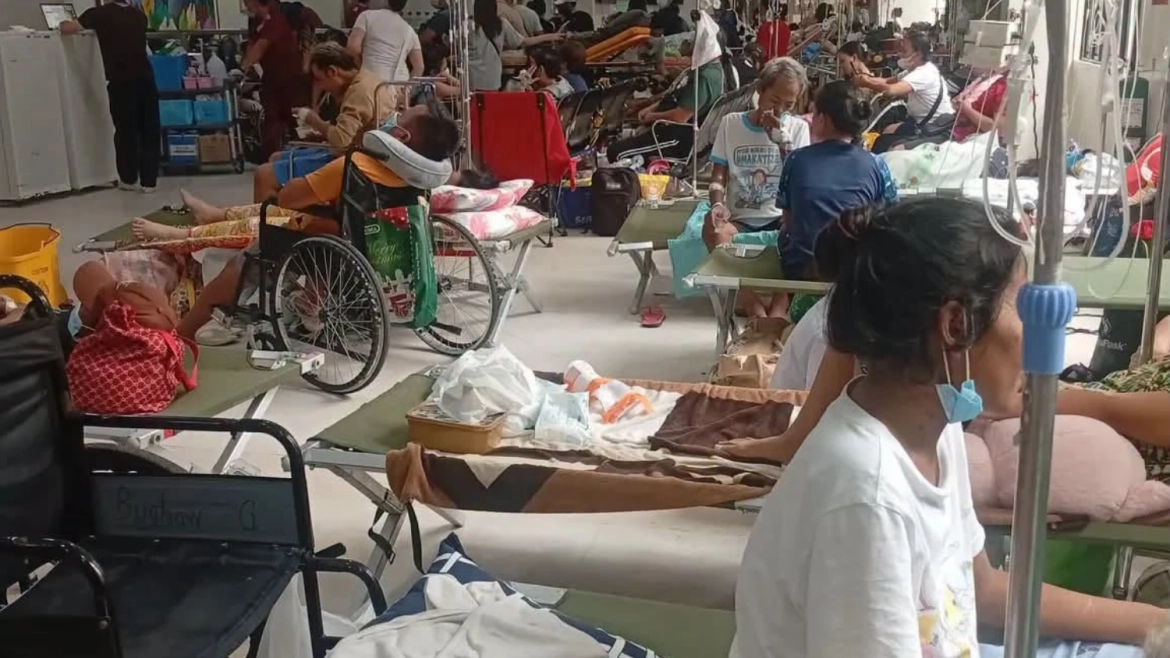
3. Seek treatment at a public hospital
No private suites. No VIP treatment.
Wait for consultations, secure medicines, and experience the financial anxiety of getting sick.
According to the Philippine Statistics Authority, Filipinos paid ₱714.63 billion directly out of pocket in 2025, representing 41.2% of the country’s current healthcare expenditure.
For many families, illness can become a financial emergency.
4. Survive on minimum wage
No allowances. No expense accounts. No family wealth.
Pay for food, rent, electricity, transportation, and other necessities using only minimum-wage earnings.
Research group IBON Foundation estimated the national average daily minimum wage at ₱521 in October 2026, against its estimated ₱1,327 daily family living wage.
That is an ₱806 daily shortfall.
Politicians debating wage increases should understand what those numbers actually buy.
5. Process government documents without connections
No assistants. No liaison officers. No special treatment.
Apply for government IDs, permits, and clearances like everyone else.
Republic Act 11032 generally requires government agencies to process simple transactions within three working days, complex transactions within seven, and highly technical applications within 20, subject to exceptions.
But for daily-paid workers, even one unsuccessful government visit can mean losing an entire day’s wages.
Public service should not be insulated from reality
A few days experiencing these hardships cannot replicate a lifetime of poverty. But they can expose problems that government reports and official presentations fail to capture.
Public officials should be judged by whether their policies improve people’s lives, not by how convincingly they discuss suffering from air-conditioned offices.
For millions of Filipinos, these hardships are not political talking points. They are everyday life.