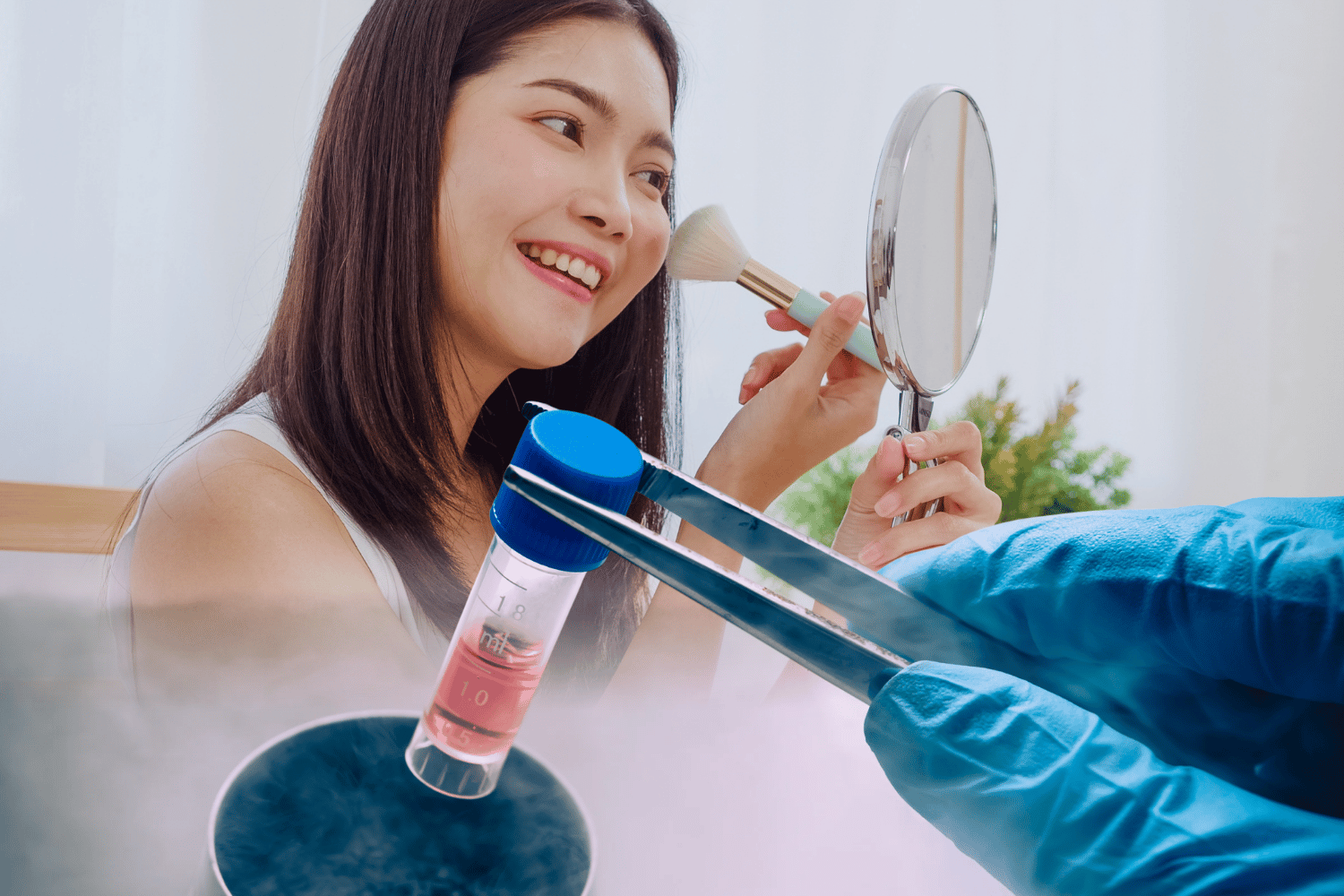
Researchers are studying their potential role in tissue repair, recovery, inflammation, and joint health.
You’ve probably heard stem cells described as an “ultimate health hack,” almost like having Wolverine’s healing factor in real life.
The reality is more complicated. Stem cells are not a cheat code for immortality, but they are an important area of regenerative medicine and are being studied for their potential to support repair and recovery.
For many years, healthcare has focused on treating disease once symptoms appear. But there is growing interest in a different approach: supporting the body while it is still healthy.
Healthy people in their 30s, 40s, and 50s are increasingly asking about stem cells before they get sick or injured. Like a car, we do not usually wait for something to break before we start maintaining it.
Why does a healthy body need extra help?
When we were younger, injuries often healed faster because cell turnover and collagen production were higher. As we age, these natural repair processes gradually slow down.
Even if you feel fine, workouts, stress, and aging place wear on joints, muscles, and tendons. Many health conditions also develop gradually before symptoms become obvious.
In my work in regenerative medicine at Hara Clinic, the goal is to understand how we can help people stay healthy and active for as long as possible.
That is why stem cells have attracted so much interest. Researchers are studying their potential role in tissue repair, recovery, inflammation, and joint health.
They are not the “ultimate health hack,” but they may become another tool in helping people maintain function as they age.
The facts: What stem cells can actually do
Everyone already has stem cells in the body. In babies, they can be found in the amniotic fluid and umbilical cord, while adults have them in areas such as bone marrow and fat.
What makes stem cells interesting is that certain types can develop into other kinds of cells and play a role in the body’s repair processes.
The most established stem cell treatments include bone marrow transplantation, which is used for leukemia and certain other cancers, and peripheral blood stem cell transplantation, which uses a patient’s or donor’s blood-forming stem cells to replace cells lost during treatment.
Building on decades of research, scientists are now studying broader applications of stem cells in regenerative medicine.
Your body’s tune-up
One area gaining attention is mesenchymal stem cells, or MSCs. These cells can self-renew and develop into different types of connective tissue, including bone, cartilage, and fat.
Researchers are particularly interested in their potential role in regulating inflammation and supporting tissue repair. This is why MSCs are being studied for applications involving injury recovery and joint health.
MSCs can be cultured in a laboratory and administered in different ways, including through injections or IV infusion, depending on the intended use.
At Hara Clinic, we use umbilical cord-derived MSCs sourced from screened donors. These cells are of interest because they are relatively young and have strong proliferative capacity.
Another developing area is exosome therapy. Exosomes are small particles released by cells that carry biological signals between them. Rather than becoming new tissue themselves, they act more like messengers that help cells communicate.
Researchers are studying exosomes for possible applications involving tissue repair, inflammation, skin health, and hair growth.
Curated for you
With different approaches available, it can be difficult to know what may be appropriate. That is why the first step should always be a proper consultation.
Everyone has a different health history, lifestyle, and set of goals. Factors such as existing conditions, hormonal health, and overall well-being all matter when deciding what approach may be appropriate.
There is no one-size-fits-all approach to longevity.
The quality and source of stem cells and exosomes also matter. If you are considering regenerative treatment, choose a clinic that is transparent about sourcing, screening, handling, and documentation, and that evaluates you properly before recommending any procedure.
The basics still matter too. Proper nutrition, good sleep, exercise, and regular medical care remain essential to staying healthy and active.
We are still a long way from stem cells giving us eternal youth. But advances in regenerative medicine are changing the way we think about aging and how long we can remain healthy, capable, and active.
READ:

Hara Clinic pushes regenerative medicine forward with a leading expert at its helm
radar Lifestyle
December 9, 2025
Why everyone is talking about peptide therapy
Dr. Deano Reyes
July 30, 2026
Dr. Deano Reyes honored for work in regenerative medicine
Top Dagohoy
September 23, 2026