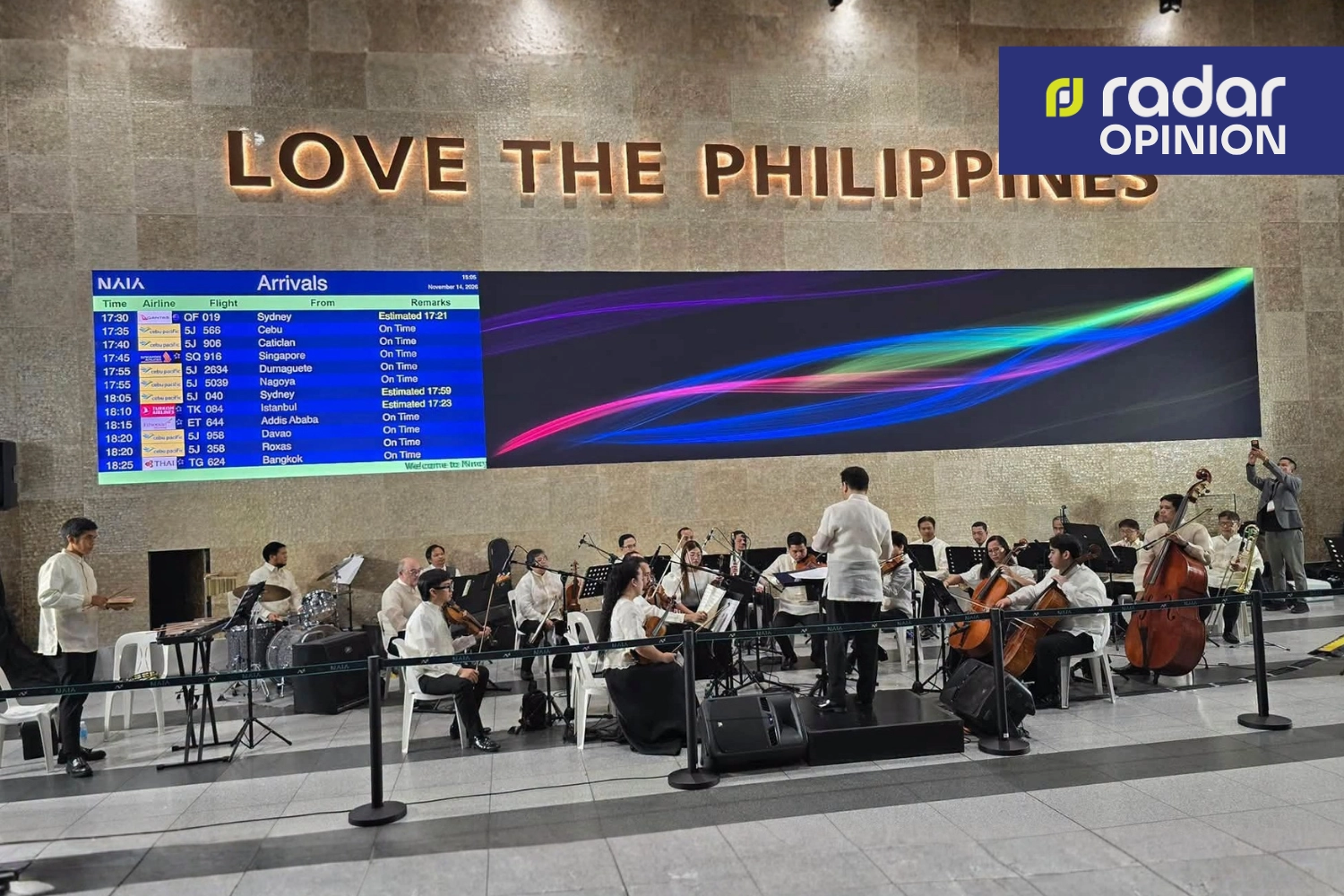
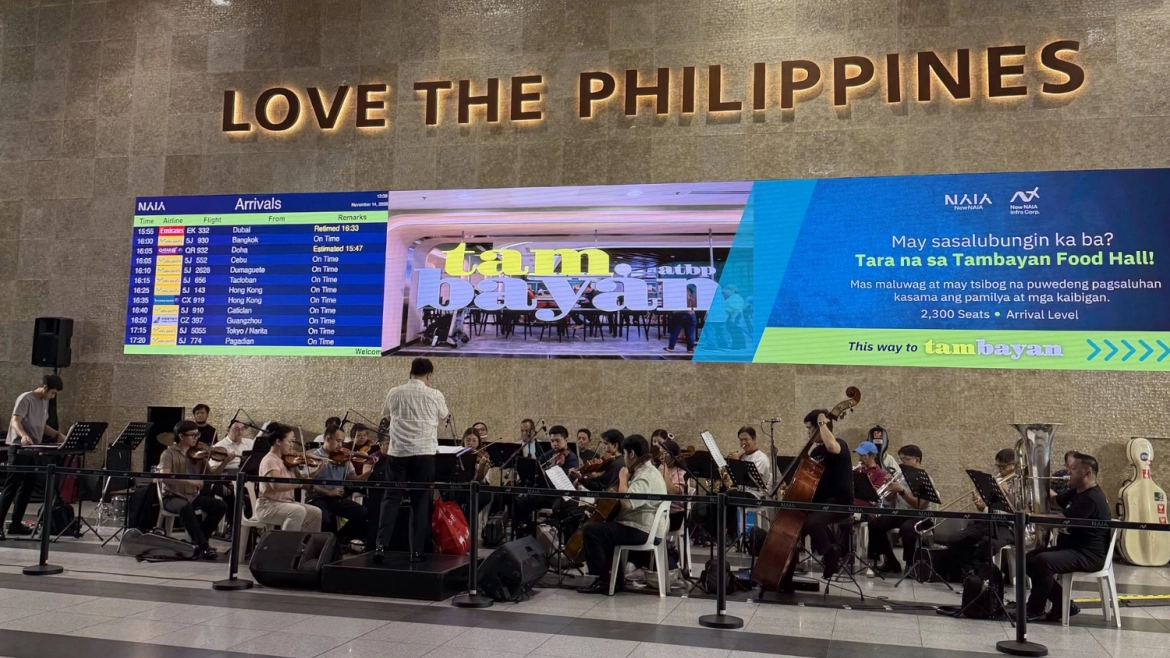
A live orchestra welcoming delegates arriving for the Association of Southeast Asian Nations (ASEAN) Summit at the Ninoy Aquino International Airport (NAIA) would normally be a nice touch. It gives visiting officials a festive introduction to the country and offers a glimpse of Filipino hospitality.
But with public frustration over corruption and governance running high, even this seemingly harmless gesture has drawn a less-than-celebratory response. Because, obviously, these are hardly normal times.
Photos and videos of the performance circulating on social media drew mixed reactions, with some Filipinos finding it difficult to appreciate the gesture amid their frustration over corruption and the government’s handling of public affairs.
Someone described the country as performative, while another likened the display to the practice of putting on a good show whenever foreign dignitaries arrive.
The reactions may seem harsh for something as harmless as an orchestra playing at an airport. After all, the musicians are simply doing their job, and there is nothing wrong with making an airport arrival more pleasant.
But the response says something about how Filipinos are feeling.
When public trust is low, even seemingly positive government initiatives can be viewed through a lens of suspicion. A festive welcome can quickly feel disconnected from the realities people face outside the terminal, particularly when questions about corruption and accountability remain unresolved.
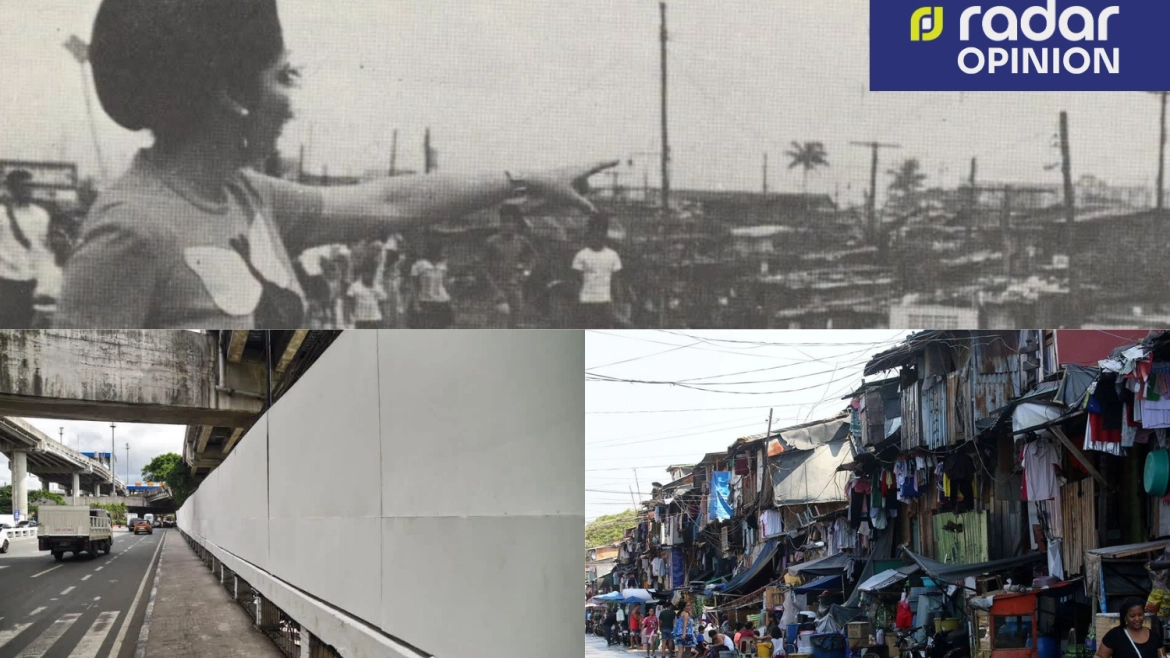
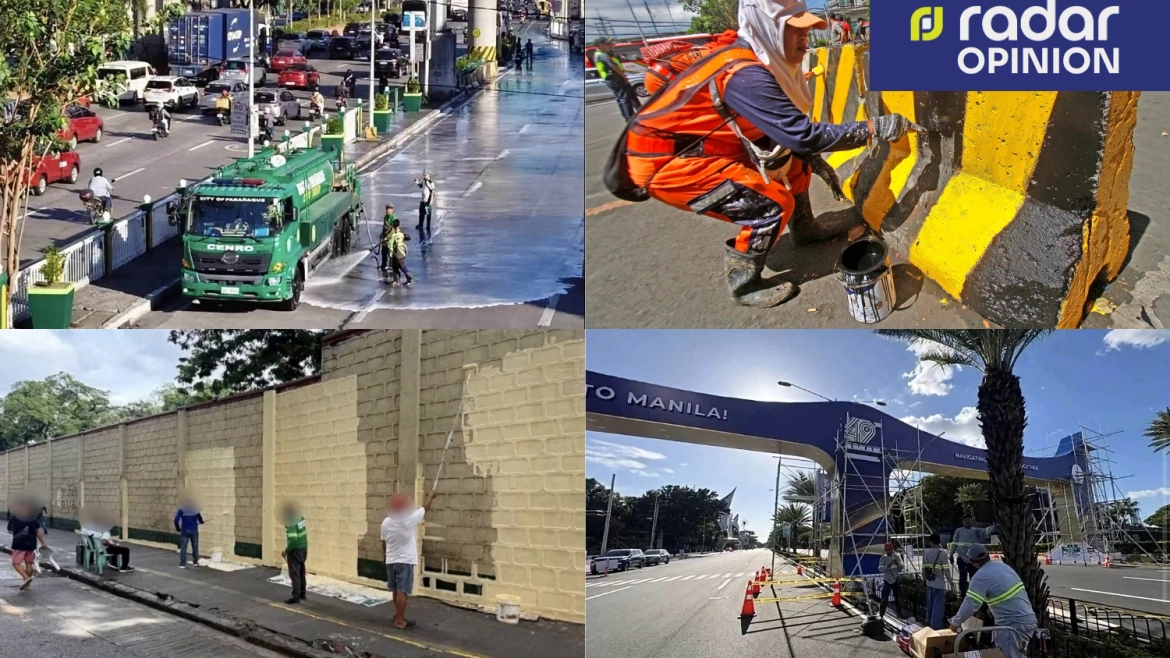
The problem isn’t the music. It’s the possibility that the government is becoming better at staging a picture of a welcoming, functioning country than addressing the problems that make its people lose faith in it.
There is a difference between making the country look good and giving its citizens something to be proud of.
Of course, the responsibility for improving the country does not rest on government officials alone. Citizens also have a part to play, from observing basic rules in public spaces to making informed choices at the ballot box. But public accountability cannot be reduced to individual discipline. Those entrusted with public office must answer for how they use their positions and the resources placed under their care.
The Philippines should absolutely welcome visitors with music, warmth, and hospitality. But it should also give Filipinos reasons to feel good about the country they are welcoming people into.
An orchestra can make an airport arrival memorable, but it cannot make public frustration disappear.
Perhaps the next time the government wants Filipinos to applaud, it should give them something beyond a performance worth applauding.
That’s the point.