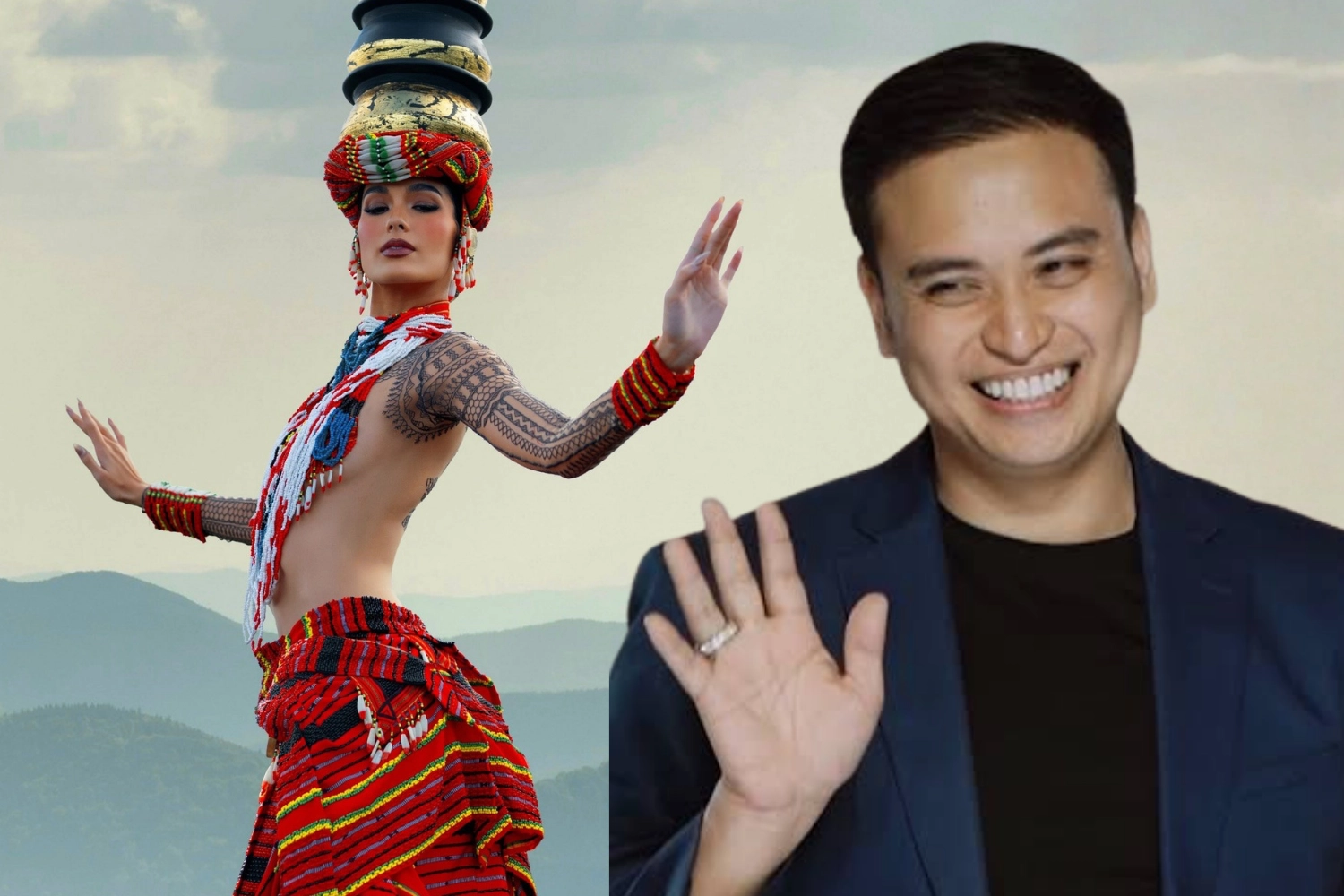
Tumang, best known for creating Catriona Gray’s iconic Mayon-inspired lava gown during her Miss Universe 2018 victory, praised designer Anthony Ramirez for the artistry, creativity, and craftsmanship behind Windorski’s costume.
However, he raised a fundamental question about what national costumes should represent.
“Para sa akin, ang National Costume ay hindi lamang tungkol sa pagiging extravagant, theatrical, or visually spectacular,” Tumang wrote.
“Higit sa lahat, dapat ay makikita at mararamdaman natin ang DNA ng ating pagka-Pilipino.”
According to Tumang, one of the most important elements in establishing cultural identity is the silhouette, which communicates a garment’s historical origins even before its colors, embroidery, or embellishments become apparent.
He cited the recognizable forms of the Japanese kimono, Korean hanbok, and Indian sari, arguing that Filipino traditional clothing deserves the same unmistakable visual identity.
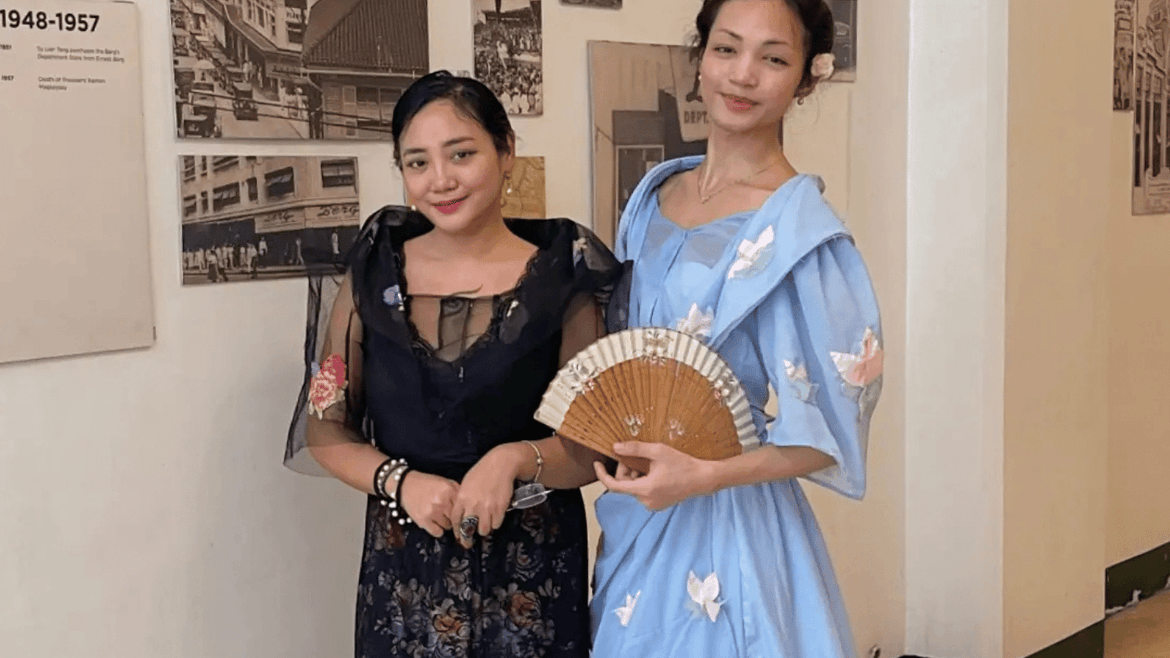
The Philippines, he explained, already possesses distinctive silhouettes through the terno, baro’t saya, Maria Clara dress, and indigenous regional garments.
“These are not merely decorative references. They are part of our sartorial history and cultural identity,” he emphasized.
Tumang clarified that he was not advocating rigid adherence to traditional designs. Fashion, he acknowledged, must evolve through experimentation and reinterpretation.
“But for me, innovation should not come at the expense of cultural recognition,” he wrote.
He further argued that incorporating Philippine-inspired symbols and embellishments is insufficient if the overall design fails to communicate its cultural origins.
“Because there is a difference between a spectacular costume inspired by the Philippines and a spectacular costume that is unmistakably Filipino.”
His observations raise a provocative question about increasingly elaborate pageant costumes: Has the pursuit of spectacle begun overshadowing authentic cultural representation?
Tumang ended his commentary with a pointed reminder.
“Creativity makes a costume memorable. Cultural identity makes it meaningful.”