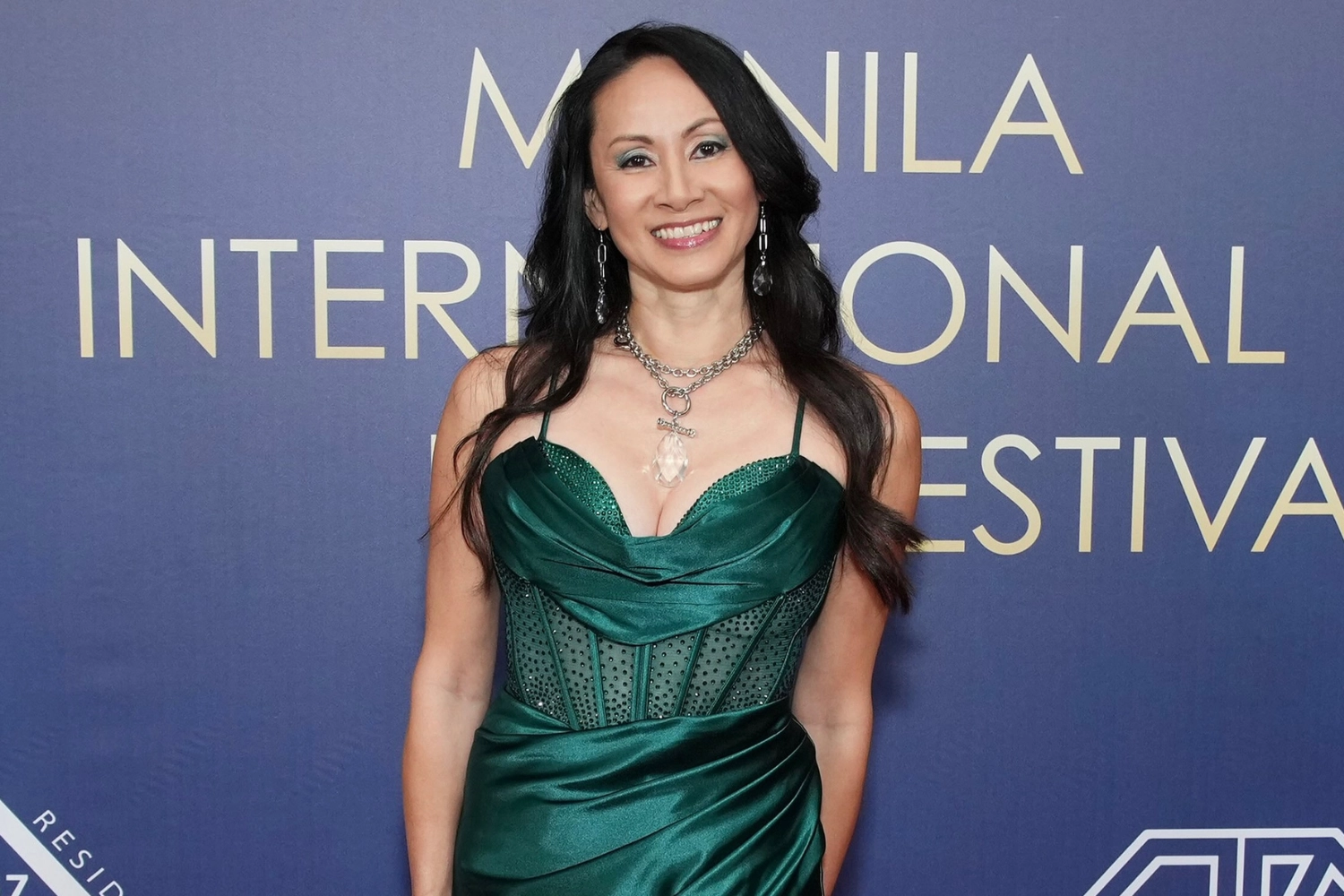
“The Cleaning Lady” creator Miranda Kwok is keeping the door open to producing stories centered on Filipino experiences in the Philippines, revealing she is already developing a new project with Warner Bros. that includes Filipino elements.
Speaking in an interview with radar Entertainment, Kwok called the idea of bringing future productions to the country “definitely a possibility,” pointing to the team’s approach on her hit series.
“Even with ‘The Cleaning Lady,’ we made sure we wanted to actually come to the Philippines and make that connection and tell part of the story here as well,” she said.
While Kwok noted it is “too early to say the details” about her next venture, she confirmed the project “has a little Filipino element as well” and is currently in development with Warner Bros.
A story rooted in experience
Kwok’s drive to put Filipino stories onscreen traces back years ago to a Sunday shopping trip in Hong Kong, where she turned a corner and saw “thousands of Filipinos just gathered together, sitting on cardboard boxes and plastic bags.” The moment stuck with her and later shaped her decision to make the characters in “The Cleaning Lady” of Filipino heritage.
A U.S. drama series, the show spotlights Filipino representation on mainstream television by centering its story on a Filipino family navigating life as undocumented immigrants.
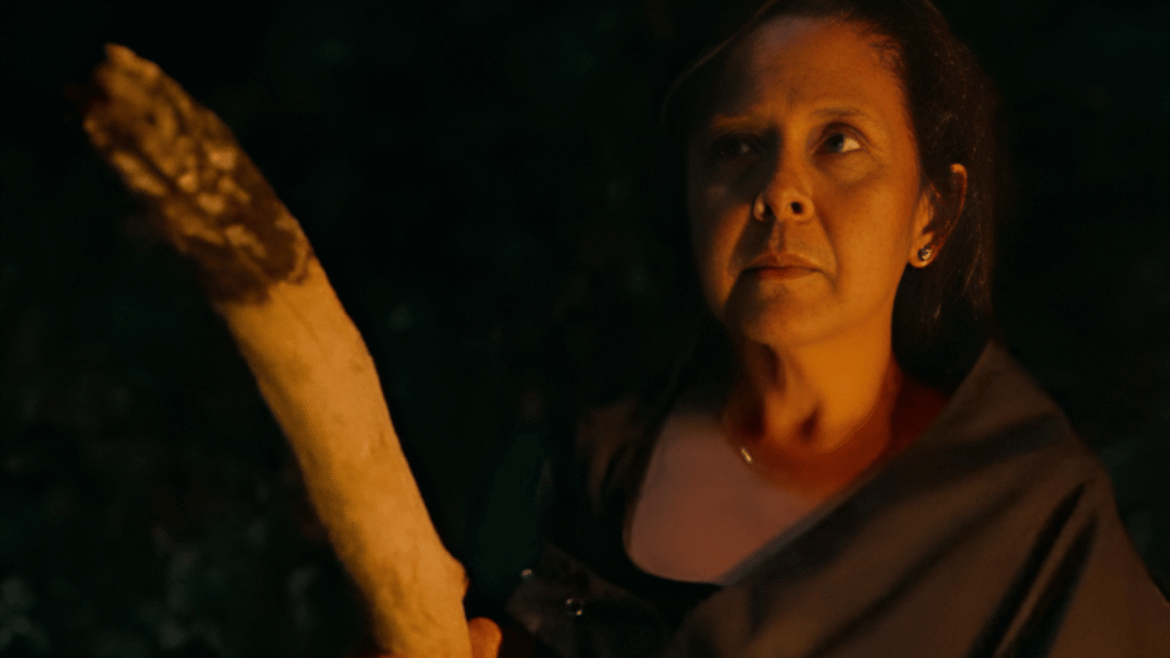
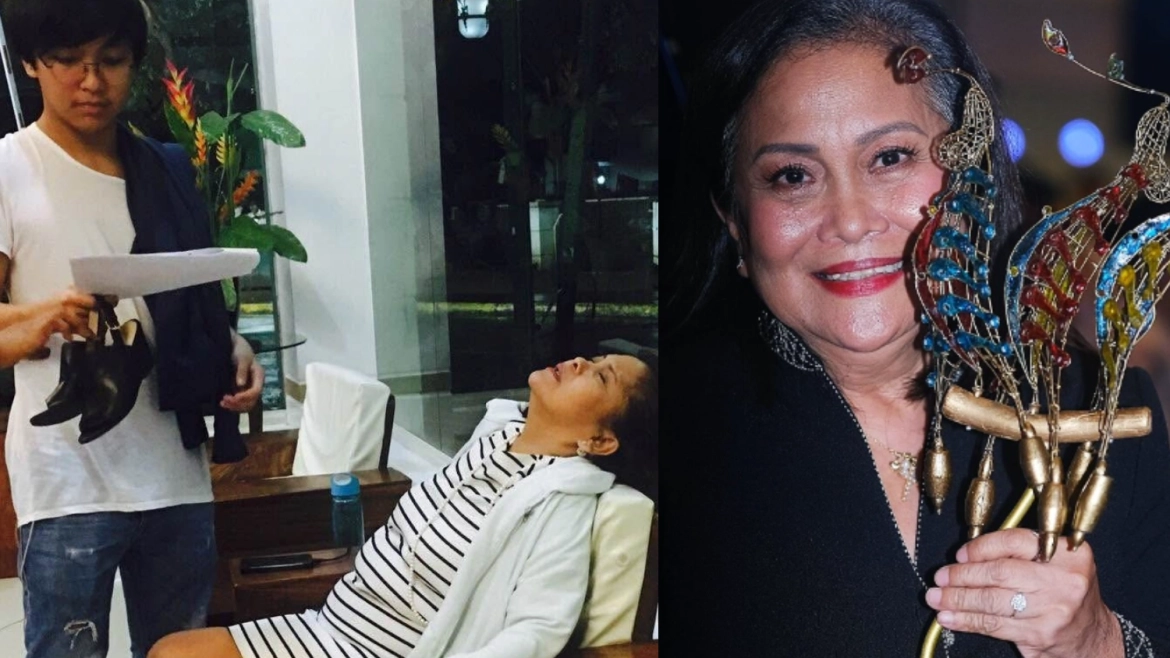
Starring Martha Millan as Fiona de La Rosa, alongside notable Filipino cast members like Princess Punzalan, JB Tadena, and Lea Salonga, the show emphasizes themes of resilience, family loyalty, and community. It also features a major Season 3 storyline set in the Philippines.
Representation and criticism
While widely praised for its visibility, the series has also sparked discussions among Filipino viewers over the authenticity of its Tagalog dialogue and recreated Manila settings.
“It was very important for me to represent the overseas Filipino worker,” Kwok said, noting that their experiences had largely gone untold.
“It felt like, especially in Hong Kong, that the Filipinos were being treated like second-class citizens by this treatment. And so it was really important for me to tell that story and get that across.”
That decision resonated far beyond local audiences after “The Cleaning Lady” rolled out internationally on Netflix, hitting No. 1 in the Philippines as well as in several other countries, including France, Germany, Italy, Sri Lanka, and Austria.
For Kwok, the international reception proved viewers around the world could connect with the immigrant experience even if they were unfamiliar with the culture.
“This is a story that went across the world, centered around Filipino stories and about the struggle, about how hard the Filipinos work and yet they can never go home, they can never go see their family,” she said. “Now people are seeing this story. Now people are understanding the difficulties of the overseas Filipino worker.”
Kwok admitted she felt “overwhelmed” by how widely the series has traveled, especially when fans personally approached her to share what seeing their lives onscreen meant to them.
“When people come up to me and say ‘thank you’ for telling this story, that affects me so much,” she said. “I’m so excited that this story has been shown to millions, millions of people all over the world. So their story is being told.”
Kwok was in Manila alongside Philadelphia-based Filipina filmmaker Isabel Sandoval (“Lingua Franca,” “Moonglow”) and Filipino-American executive producer Chris Quintos Cathcart, co-CEO of Unapologetic Projects. The three industry powerhouses served as speakers at the “Asian Women Rewriting the Hollywood Playbook” forum hosted by BenildeFilm at De La Salle-College of Saint Benilde.