The commitment to building a cleaner Philippines is transforming investment practices for the better.
Climate consciousness has transformed how Filipinos invest in a sustainable future. For those transitioning from passive saving to active climate action, learning how to access green bonds is a crucial step.
radar Business breaks down the main channels for finding these purpose-driven investments, which have become more diverse and digitally accessible for Filipino investors than ever before.
1. Digital wallets
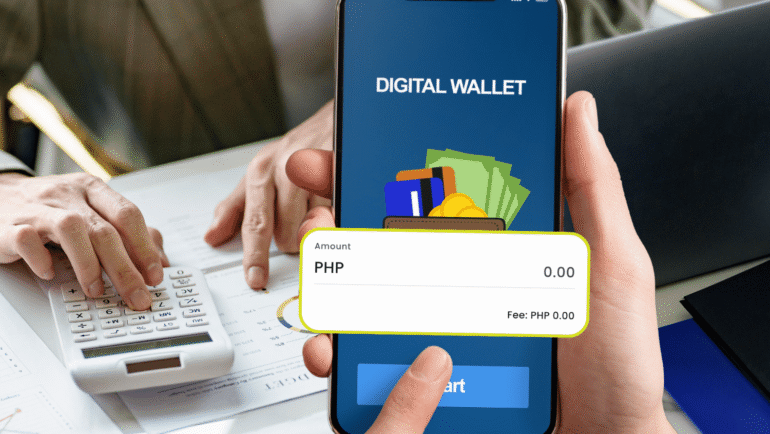
For new or small-scale investors, one of the easiest entry points is through pooled funds available on digital wallet apps such as GCash. Through features like GBonds under GInvest, users can purchase government or corporate bonds, including green bonds, depending on the listing.
With a fully verified account, investors can buy these bonds with low minimum amounts, making them highly accessible to the public. Digital wallets may also include sustainability tools such as Green Transaction Alerts, which help users track their carbon impact through digital activity.
Bond purchases are confirmed instantly, with aggregated funds allocated to sustainability-focused portfolios such as nature conservation and renewable energy projects.
2. Commercial banks
Investors seeking direct access to larger bond issuances can use the services of major commercial banks, like BPI, BDO, or Metrobank, which act as selling agents for corporate-issued green bonds. These often carry higher minimum investments, but their availability varies throughout the fiscal year, hugely depending on when the company issues the bonds.
Buying green bonds via commercial banks is more suitable for established investors with moderate-to-long-term holding capabilities, but the process of getting one is not complicated.
A request for information with the bank’s Fixed Income or Trust desk is made to check the availability of current or upcoming green bond issuances. The bank provides the bond’s details including the maturity date, and assesses how much of it the investor can buy. Lastly, the subscription documents will be completed through a bank representative, leading to the direct ownership of the bond security.
3. Government securities
The Philippine government, through the Bureau of the Treasury (BTr), occasionally includes green or sustainability bonds in its public offerings. This provides investors a heavily secured expenditure, as the bonds are considered a direct, unconditional obligation of the national government.
Green bond issuances through the BTr’s Retail Treasury Bonds (RTB) are cyclical and announced, with the major ones typically occurring just once or twice a year. These bonds still have an accessible minimum investment, making it open to more Filipino investors.
Official announcements from the BTr are closely monitored for new RTB issuances, specifically those highlighted with an environmental or social mandate. Investors can select selling agents like a government or commercial bank or a licensed broker authorized to sell the bond. The bond purchase is executed typically through the chosen bank’s online platform, which facilitates easy funding and direct bond ownership.