One line connects a quiet childhood refuge to the raw emotional landscapes of the Filipino art scene.
There is something unsettling — and strangely intimate — about staring at the works of Arturo Arsega Jr.
At first glance, the faces seem incomplete: fragmented lines, distorted forms, abstract contours suspended between clarity and chaos. But the longer one looks, the more the emotions begin to surface. Sadness lingers in the curves. Longing hides between empty spaces. Vulnerability emerges from every uninterrupted stroke.
His works do not simply ask to be viewed. They ask to be felt.
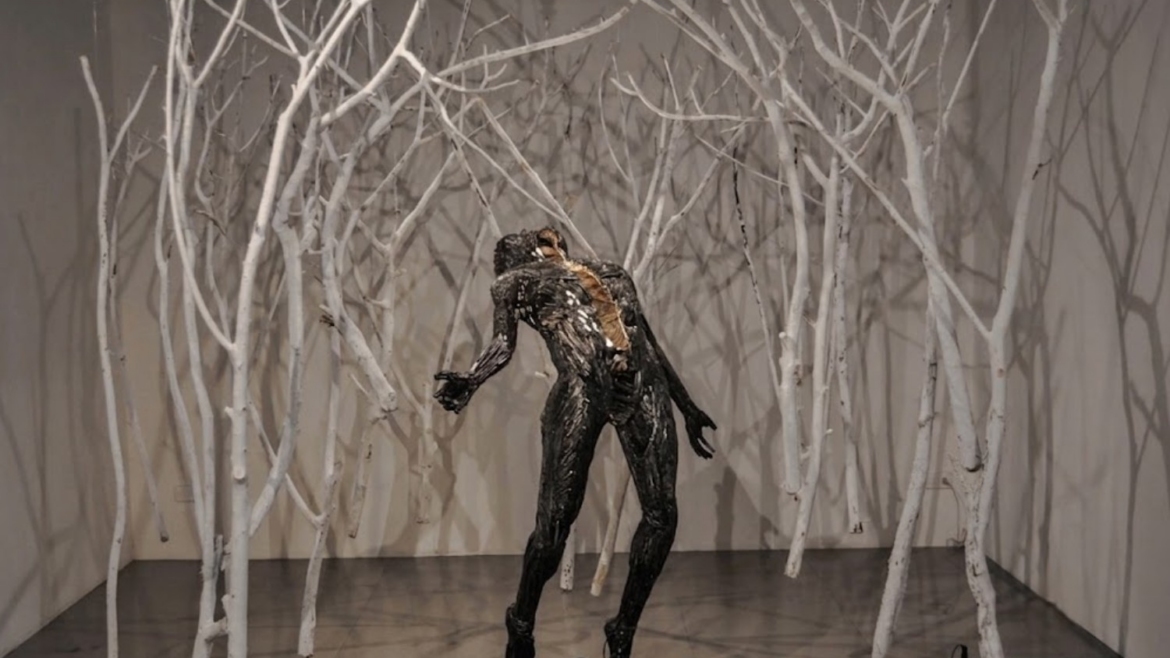
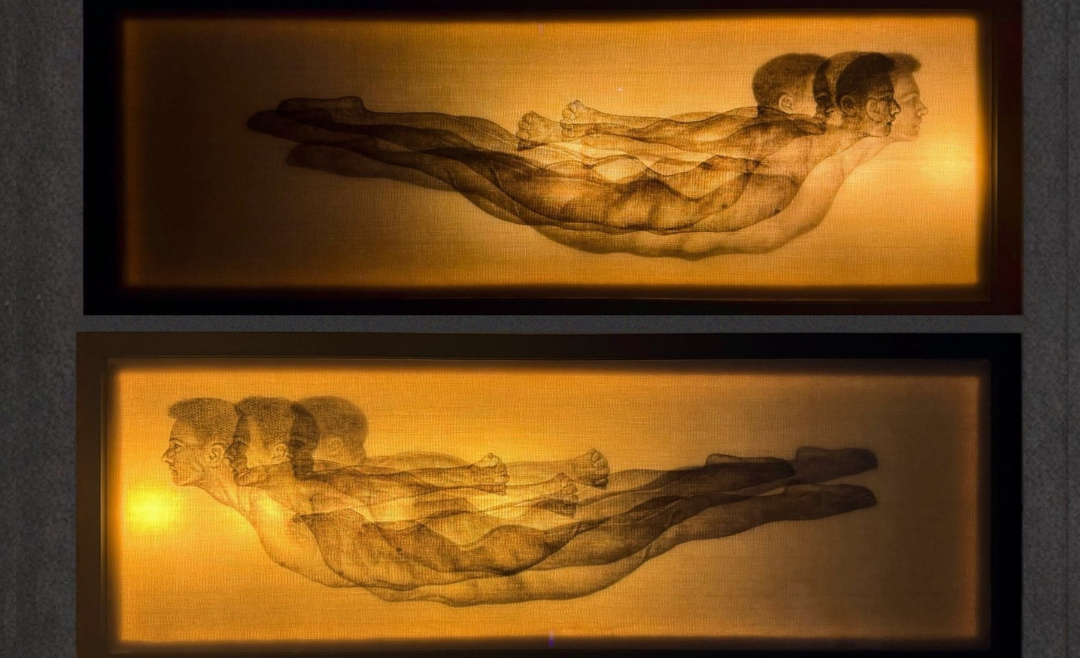
In an art landscape saturated with maximalism, digital spectacle, and visual noise, Arsega’s signature continuous line portraits stand apart for their restraint and emotional precision. Using minimal yet deliberate strokes, the self-taught Filipino artist transforms human faces into emotional landscapes — raw, quiet, and deeply personal.
For Arsega, line art is not merely an aesthetic choice. It is emotional language.
Born and raised in the Philippines, he discovered his attachment to art early in childhood. Even then, drawing was less of a pastime and more of an instinctive refuge.

“Even if I was left alone somewhere, okay lang basta may papel at lapis ako,” he recalled.
Without formal academic training, Arsega built his artistic identity through persistence, experimentation, and emotional honesty. What pushed him forward was not institutional validation, but the need to create.
“What really pushed me was my passion to express emotions through art,” he said.
That emotional urgency eventually became the defining core of his work.
From paper scraps to gallery walls
As he began entering the local art scene, Arsega became increasingly aware of the challenge of distinguishing himself in a country filled with talented visual artists. Instead of imitating trends, he turned inward — developing a visual language rooted in continuous line work and abstract emotional forms.
The result is a body of work that feels simultaneously minimalist and psychologically dense.
Faces dominate his canvases not because of vanity or portraiture, but because they carry emotional universality. Through them, Arsega attempts to validate the entire spectrum of human feeling.