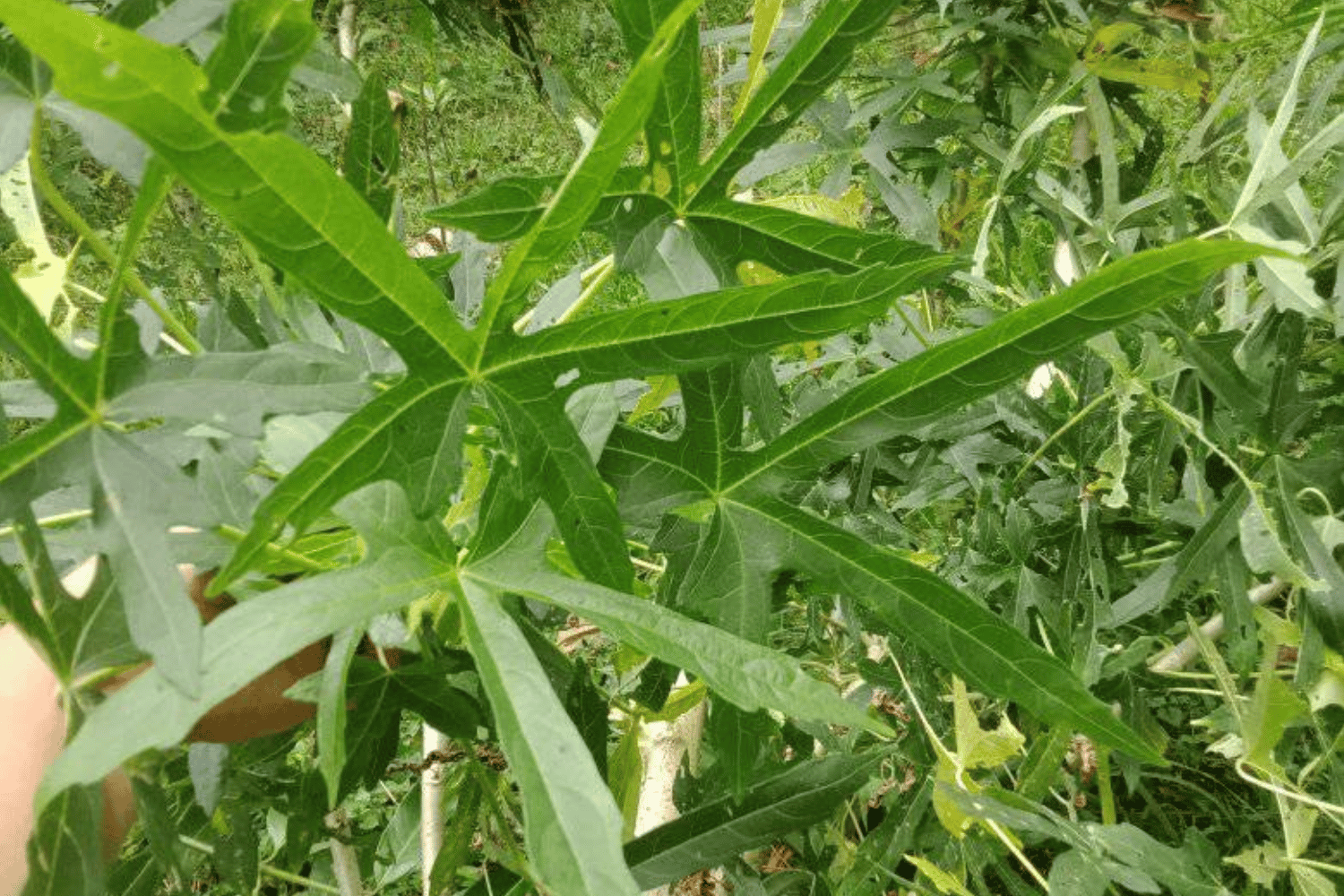
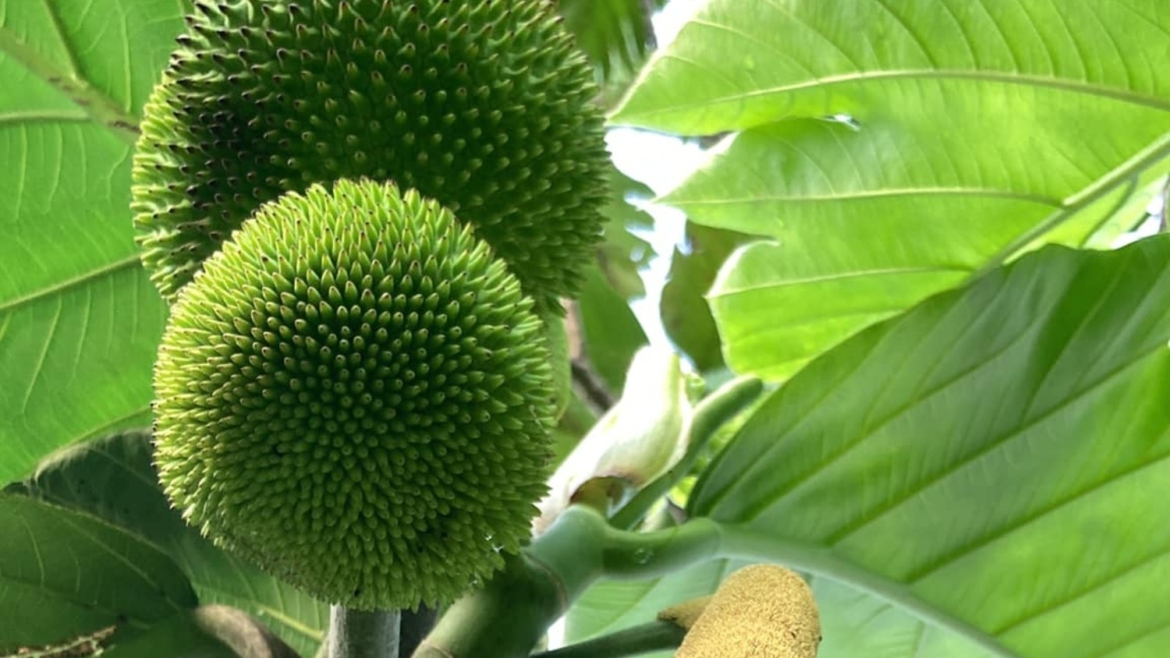
Making lagikway part of the everyday Filipino diet is about eating nutritious food that grows closer to home.
Imagine walking through a supermarket looking for healthier food. There is imported kale in the vegetable section, quinoa on the shelf and chia seeds marketed as nutritional powerhouses.
Meanwhile, a highly nutritious leafy vegetable may already be growing much closer to home.
It is called lagikway.
Scientifically known as Abelmoschus manihot, lagikway—also called lagikuway and known internationally as aibika—is an underutilized vegetable in the Philippines, according to researchers from the University of the Philippines Los Baños.
And there is scientific evidence behind its growing reputation as a local superfood.
A 2021 study by UPLB’s Institute of Plant Breeding published in the Philippine Journal of Science analyzed different lagikway varieties and found protein, fiber and several phytochemicals in its leaves. Researchers also detected phenolics, flavonoids and tannins and measured antioxidant activity, although the amounts varied among varieties and were affected by blanching.
Food composition data cited by the Philippine Council for Agriculture, Aquatic and Natural Resources Research and Development, meanwhile, puts fresh lagikway leaves at around 4 grams of protein per 100 grams.
International research supports its nutritional potential. Studies of Abelmoschus manihot, or aibika, have found it to be a source of minerals including calcium, iron, magnesium and zinc. Research published in Food Chemistry described it as a crop of potentially high nutritional value and a good source of folate and several minerals.
In other words, this is not simply another plant being branded a “superfood” because it happens to be trendy.
Better yet, lagikway already fits Filipino cooking.
Its young leaves can be added to tinola, sinigang and other soups, according to the government’s Indigenous Vegetables Project. The leaves have a neutral flavor and can also help thicken broth.
But lagikway has another compelling advantage over fashionable imported superfoods: it can be grown here.
Choosing locally produced vegetables can cut the distance food has to travel compared with ingredients shipped from overseas. When grown and sold locally, lagikway can also support Filipino farmers and encourage greater use of indigenous and underutilized crops.
Making lagikway part of the everyday Filipino diet, therefore, isn’t just about chasing another health trend.
It is about eating nutritious food that grows closer to home.
The Philippines doesn’t always have to look overseas for the next superfood.
Sometimes, the better choice is already growing in our own backyard.
READ: