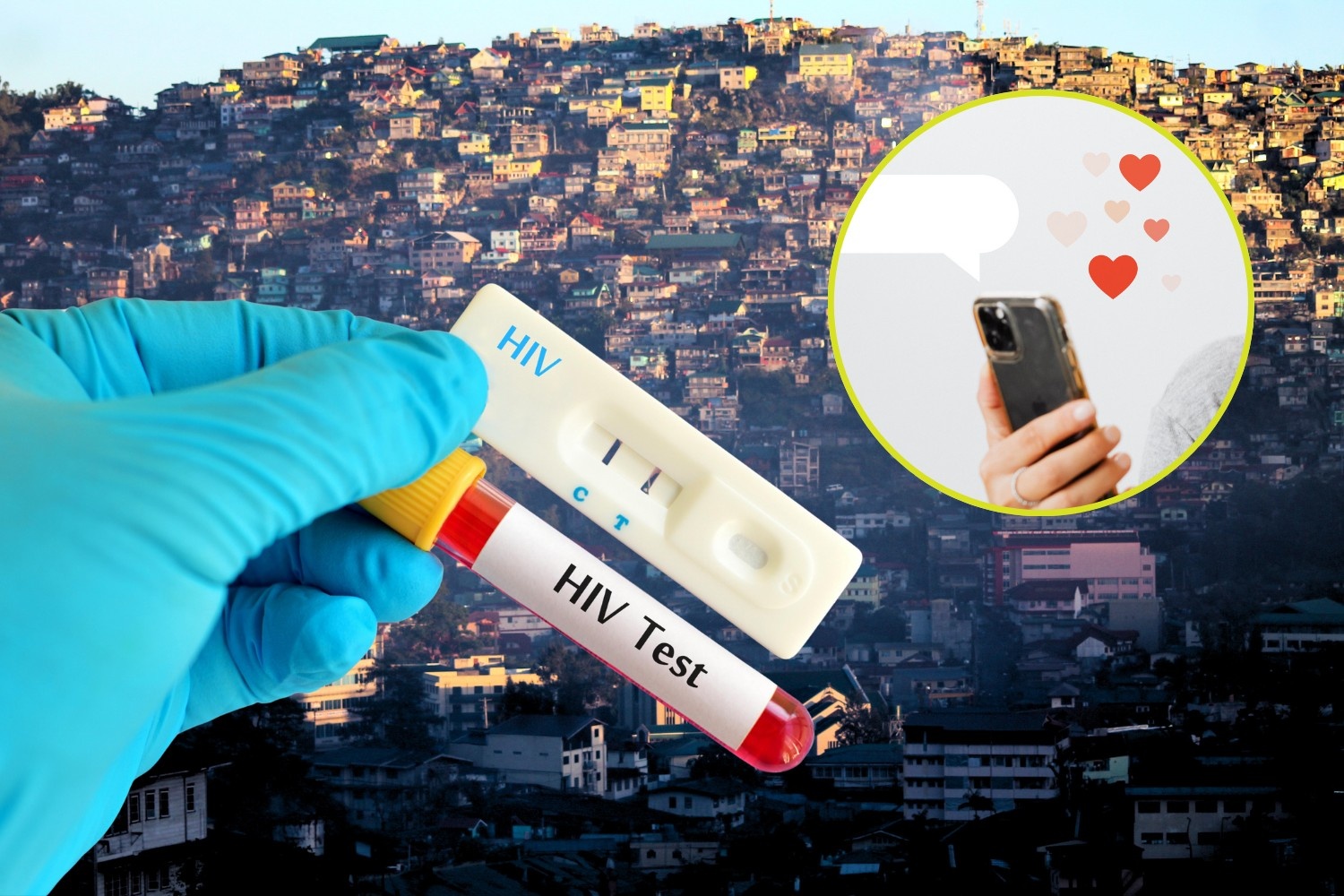
Dating apps do not cause HIV.
Public health warnings can easily sound alarmist, but a recent advisory from authorities in Baguio City requires a rational look rather than conservative panic.
In a city council consultation, representatives from the Baguio City Health Services Office (CHSO) and the Department of Health (DOH)–Cordillera identified online dating applications as a significant behavioral accelerator in local human immunodeficiency virus (hiv) transmission.
However, health officials were careful to clarify the nuance: dating apps do not cause HIV; rather, they have simply modernized and scaled how people connect in urban centers.
What the data say
Baguio City currently accounts for 56.3% of all recorded health cases in the Cordillera region. While that sounds high, health officials stress that this metric is actually a positive indicator of aggressive screening, active detection, and high health literacy compared to neighboring areas.
The CHSO has documented roughly 800 cumulative cases, with males accounting for 94% of the data. The most active demographics occur within the 25 to 34 age bracket, followed directly by Gen Z users aged 15 to 24.
Proving the efficacy of modern science, DOH-Cordillera reported that the vast majority are undergoing standard wellness therapies, with over 500 individuals successfully achieving a low viral load—rendering the virus completely non-transmissible (Undetectable equals Untransmittable).
Push for sexual health literacy
When traditional public health agencies point fingers at technology, it often alienates the very population they need to reach. Gen Z and millennial users use geo-locational dating apps as standard social infrastructure. The real challenge isn’t the software—it’s the gap in sexual health literacy during casual encounters.
To bridge this, Baguio is shifting away from lecturing and toward health-tech integration, actively developing local public health web apps featuring confidential risk questionnaires and digital clinic connections.
Reduce risk through preventative science
Navigating the local dating scene safely is about practical risk reduction and leveraging modern, shame-free preventative science.
First, take advantage of PrEP (Pre-Exposure Prophylaxis), a daily or event-driven pill for HIV-negative individuals that reduces transmission risk by roughly 99%. It is widely available for free at public health hubs, while emergency PEP can be accessed within 72 hours of exposure.
Second, protect your privacy with free, anonymous screenings at the Baguio Reproductive Health and Wellness Center. Local health hubs also distribute discreet HIV self-testing kits, allowing you to check your status at home.
Finally, normalize the “safety check” alongside the reality that undetectable equals untransmittable. While achieving an undetectable viral load through treatment stops HIV transmission, combining it with condoms remains essential to block other STIs.
By embracing these biomedical tools, youth can fully enjoy their dating lives while taking absolute control of their clinical well-being.
Dating apps are just communication tools—they don’t spread viruses; a lack of access to real health education does.
READ: