Higher interest rates push up loans, credit cards, and business financing as inflation pressures persist.
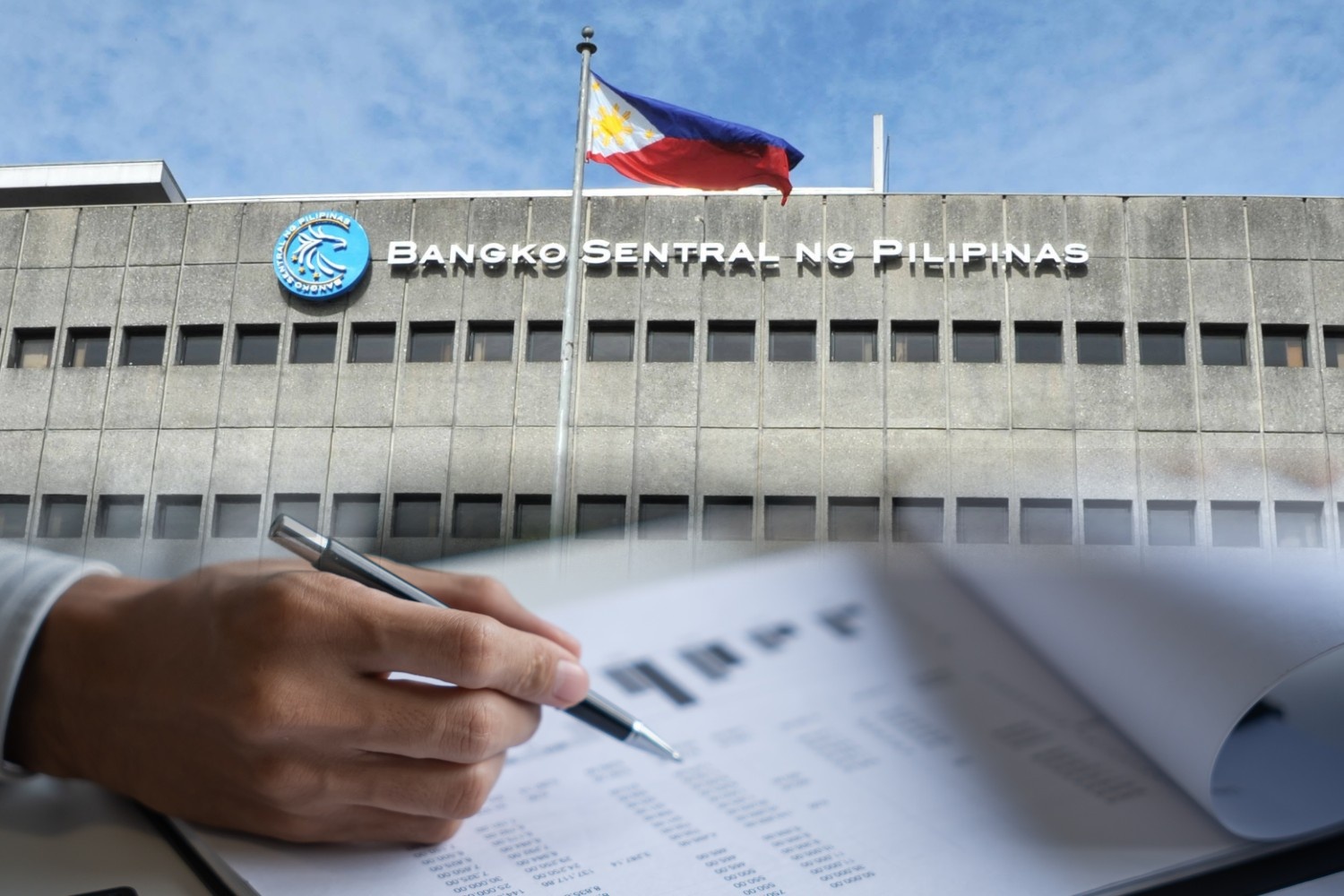
The Bangko Sentral ng Pilipinas raised its benchmark policy rate to 4.75% on June 18, a move that means higher borrowing costs for banks, which can eventually translate to more expensive loans, credit, and financing for consumers and businesses.
The central bank’s Reverse Repurchase (RRP) rate, the key interest rate used by the BSP when borrowing money from banks overnight, was increased by 25 basis points as inflation risks remain elevated.
Alongside the adjustment, the overnight deposit facility rose to 4.25% while the lending facility climbed to 5.25%, tightening overall liquidity conditions in the financial system.
The Monetary Board said persistent pressures from global oil and fertilizer prices continue to feed into domestic transport and food costs, while rising core inflation points to broader price increases and stronger inflation expectations. It also flagged developments in the Middle East as an added layer of pressure on global energy markets.
Latest projections show inflation breaching the 4% tolerance ceiling in 2026 and 2027 before easing toward target by 2028, when it is expected to settle around 3.1%.
BSP Governor Eli Remolona Jr. said the move is aimed at keeping inflation expectations in check while working alongside fiscal measures supporting consumption and business activity. He added that the central bank remains ready to adjust policy further if needed, depending on incoming data.
Deputy Governor Zeno Ronald Abenoja noted that inflation forecasts for 2026 and 2027 were slightly revised higher, adding that monetary policy typically takes around two years to fully take effect across the economy.
READ: