Filipinos have found a rather entertaining way to justify impulse purchases. A product catches their attention, and a convincing recommendation from a content creator can be enough to send them shopping. Before they know it, they’ve added another item to their cart. They call it budol, and businesses are increasingly finding ways to cash in on it.
Traditionally associated with being deceived or tricked, budol has taken on a lighter meaning in the age of social commerce. Filipinos now commonly use it to describe purchases they never planned to make but eventually gave in to after seeing something appealing online.
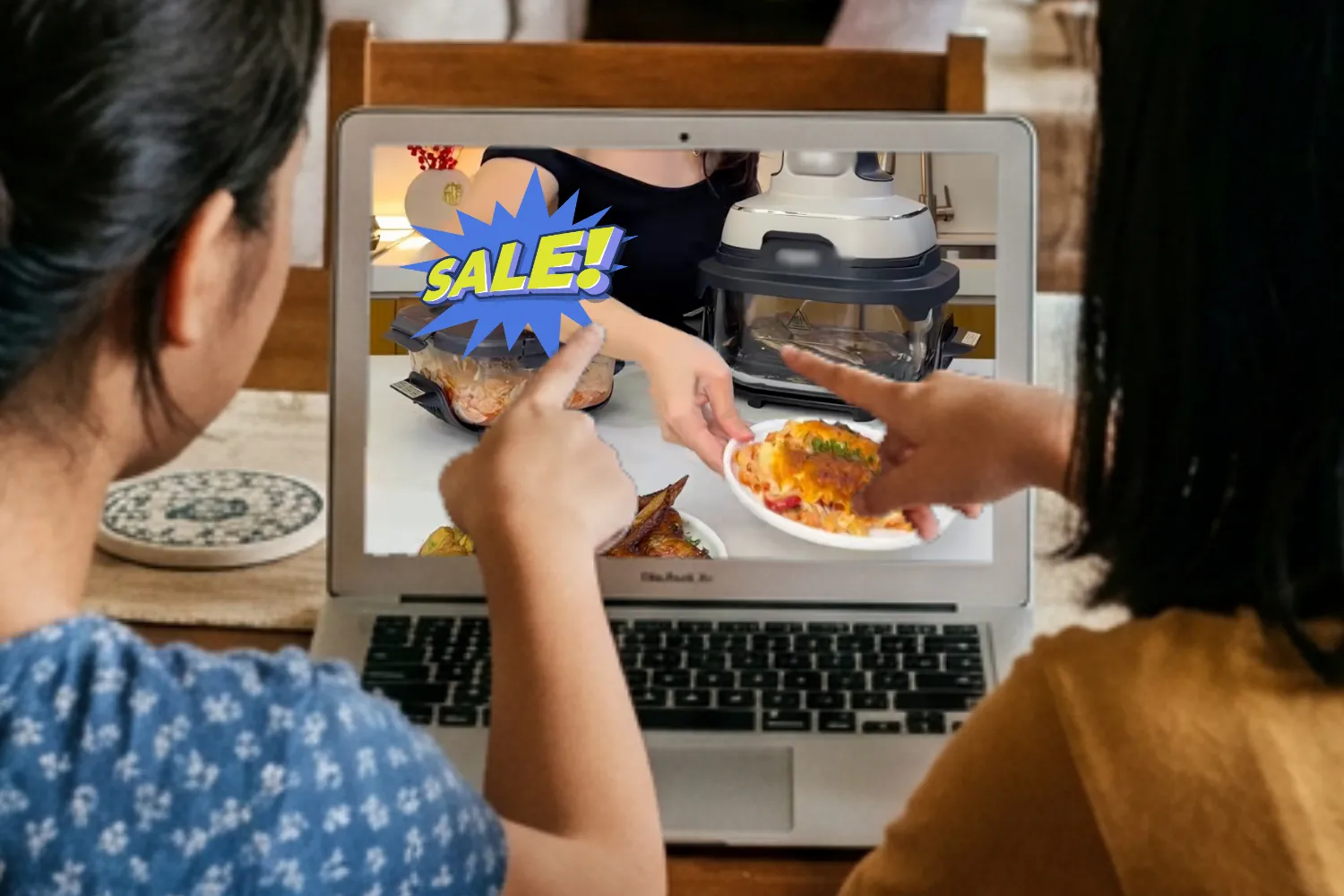
The popularity of budol finds videos and product reviews has helped bring the term into the country’s digital shopping vocabulary. A creator’s enthusiastic endorsement or a livestream host’s product demonstration can persuade viewers to check out an item, sometimes almost immediately.
This behavior has opened another commercial avenue for businesses. Brands can work with content creators whose recommendations reach potential buyers in a more personal way than conventional advertisements. The product itself becomes part of the content, while the recommendation helps drive the sale.
The arrangement also creates earning opportunities for creators and affiliates, who can receive commissions from successful referrals. E-commerce platforms benefit from the additional transactions generated by social shopping.
There are risks, however. Persuasive content can encourage shoppers to spend on things they never intended to buy. Misleading endorsements and exaggerated product claims can also damage consumer trust, especially when the actual product fails to match expectations.
The growing commercial use of budol shows how Filipino internet culture can influence the way people shop and how businesses sell. A familiar expression for impulse buying has found its place in the vocabulary of Philippine retail, with brands increasingly tapping into the behavior to attract customers and generate sales.
The challenge is making sure the excitement behind a purchase lasts beyond the moment the parcel arrives.