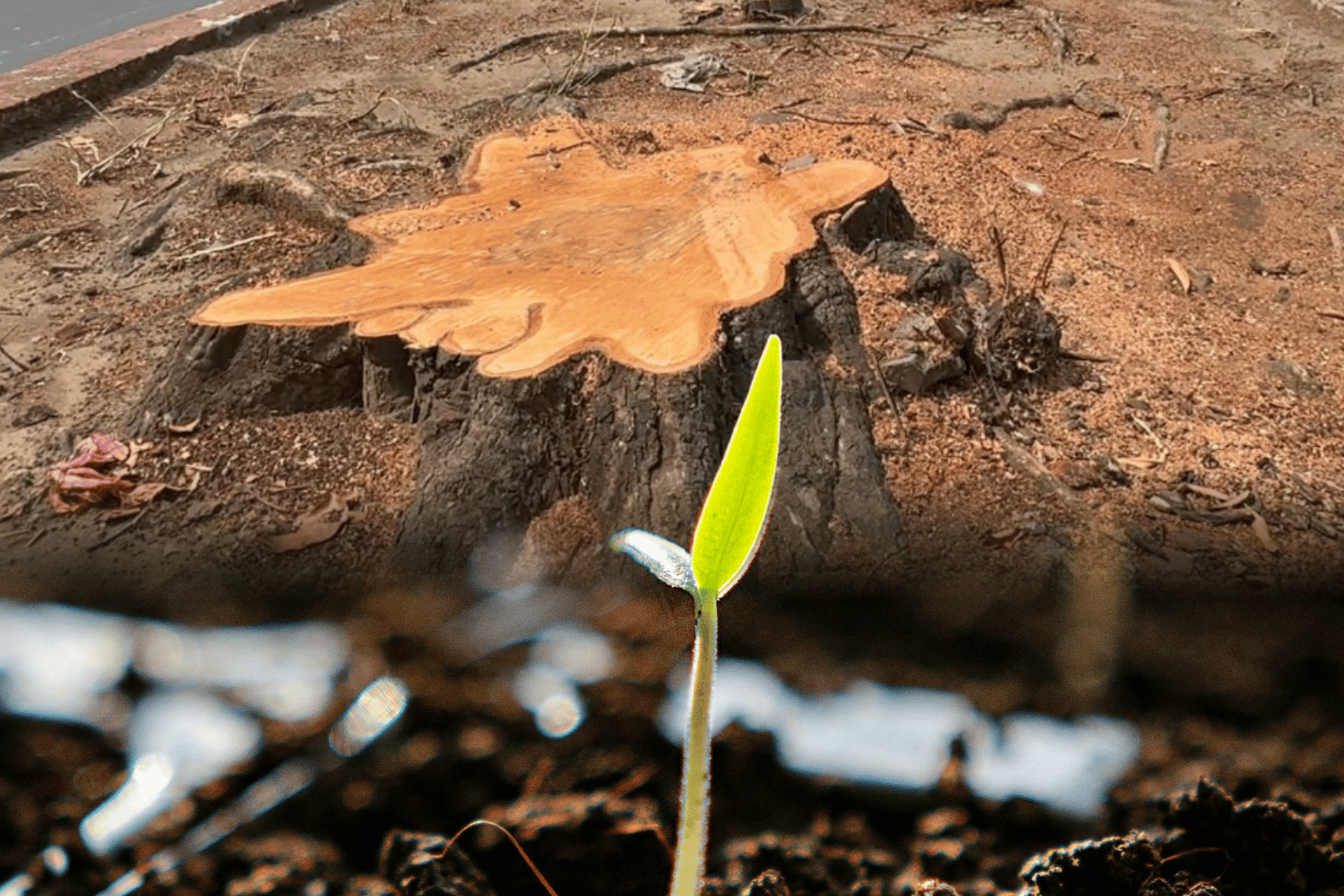
The Department of Environment and Natural Resources requires a 1:100 replacement ratio for cut trees, but experts warn young saplings cannot immediately match the cooling and flood-control benefits of mature urban canopies.
When a decades-old tree is cut down in Metro Manila, the replacement can sound deceptively simple on paper: plant 100 seedlings.
That is the message being emphasized by the Department of Environment and Natural Resources National Capital Region office in a recent public information campaign explaining the government’s “seedling replacement ratio” policy for tree cutting permits.
According to the guidelines posted by DENR National Capital Region, naturally growing trees affected by development projects require a 1:100 replacement ratio — meaning for every one tree removed, 100 seedlings must be planted or donated. The agency said the policy is part of its urban greening and reforestation efforts under DENR Memorandum Order No. 2012-02.
The campaign also clarified that tree cutting is only allowed under certain conditions, such as when trees are hazardous, diseased, affected by infrastructure projects, or cannot practically be relocated.
But the announcement is reviving a difficult environmental question that many urban residents have increasingly asked in recent years: Can newly planted seedlings truly replace the ecological value of mature trees that took decades to grow?
The issue became especially emotional after the controversial cutting of trees along Quirino Avenue earlier, where residents, environmental advocates, and commuters lamented the sudden loss of shade and greenery in one of Manila’s busiest corridors. Photos of bare roads and uprooted trees spread online, reigniting debates over urban development and environmental protection.
For many experts and advocates, the concern goes beyond simply counting trees.
The anatomy of a mature canopy
A mature tree does far more than occupy space. Large trees absorb significantly more carbon dioxide than young seedlings, help lower surrounding temperatures through shade and evapotranspiration, reduce flood risks by absorbing rainwater, and provide habitat for birds and urban biodiversity.
In a city like Metro Manila — where heat indices continue to rise and flooding worsens during heavy rains — the loss of old trees can immediately change how entire streets feel.
Anyone who has walked through a tree-lined road in Manila knows the difference instantly. One side feels breathable and cooler. The other feels like standing directly under a giant concrete oven.
Seedlings, while important, can take years or even decades before they deliver the same environmental benefits as a fully mature tree. Survival is another issue. Not all seedlings planted ultimately grow into healthy trees due to poor maintenance, harsh urban conditions, limited soil space, or extreme weather.
This is why environmental groups often argue that replacement planting should not automatically justify large-scale tree cutting.
Offsetting the uncomfortable truth
Still, DENR-NCR stressed that the replacement program remains necessary to offset unavoidable losses and support broader climate mitigation efforts. The agency added that indigenous tree species are prioritized and that donated seedlings are monitored and evaluated by DENR offices.
The debate ultimately reflects the difficult balancing act faced by rapidly urbanizing cities like Metro Manila: how to build roads, railways, and infrastructure without stripping cities of the very trees that make them livable.
Because while 100 seedlings may look impressive in a report, residents enduring extreme heat and worsening floods know that a towering decades-old tree provides something no newly planted sapling can immediately replace.
A numbers game in a concrete oven. DENR defends cutting over 500 mature Manila trees by promising a 50,700 seedling replacement for the SALEx project.
radar Recommends
Surviving the deforested urban heat paths
If your usual transit route has been stripped of its natural canopy, try to alter your usual walking path. Use digital maps to identify parallel secondary roads, pocket parks, or commercial developments that feature active tree lines or covered arcades. Avoiding bare, unshaded concrete avenues between 10 AM and 4 PM directly protects your body from hazardous thermal radiation.
For townhouse owners, small business proprietors, and institutional landlords situated along major highway rights-of-way, fight the heat island effect locally. Install vertical trellises on your street-facing concrete firewalls and plant fast-growing, heat-tolerant climbing vines (such as Vernonia elliptica or Curtain Creeper). This creates an organic shield that prevents solar heat from getting trapped inside your building's concrete walls.
When participating in mandatory seedling corporate donation programs, move away from donating generic, low-cost exotic saplings (like Mahogany or Gmelina), which can actually damage local biodiversity and disrupt urban water tables. Instead, strictly request and sponsor premium, native Philippine species such as Narra, Banaba, or Katmon. These indigenous varieties are genetically adapted to survive our country’s intense tropical wet-and-dry cycles, boast higher long-term urban survival rates, and attract native bird populations back into the metro.
READ:

The heat isn’t just uncomfortable—it can turn deadly
radar Lifestyle
April 14, 2026
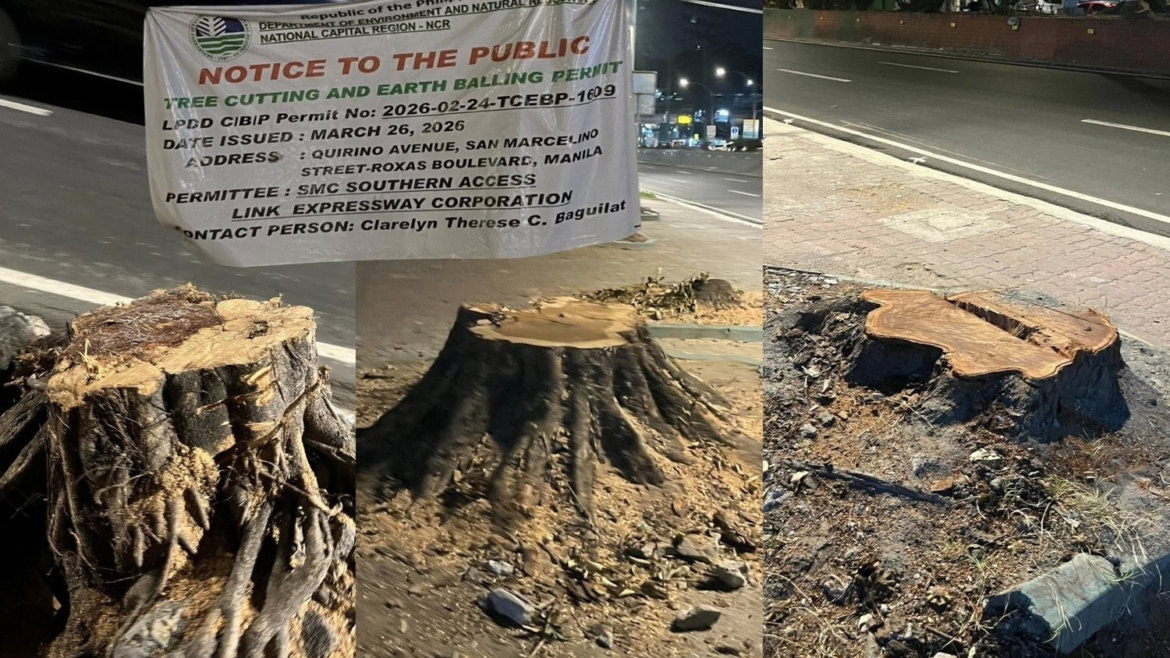
Tree-cutting strips Manila’s streets of shade
John Lloyd Aleta
May 6, 2026
Is Earth Hour relying on feel-good environmentalism?
John Lloyd Aleta
March 30, 2026
Tags: carbon sequestration potential mature tree versus saplingclimate mitigation PhilippinesDENR Memorandum Order No 2012-02 uniform ratioDENR NCR tree cutting replacement ratio 2026DENR tree cutting permitenvironmental impact of tree cuttingmature trees vs seedlingsMichael Drake Matias regional executive director tree statementPresidential Decree No 705 forestry reform codeQuirino Avenue tree cutting SALEx project ManilaSouthern Access Link Expressway San Miguel Corporationtree replacement ratiourban greening Metro ManilaUrban heat island effect concrete evapotranspiration indexurban heat island Manila