The birds are finally free. Now the law must take its course.
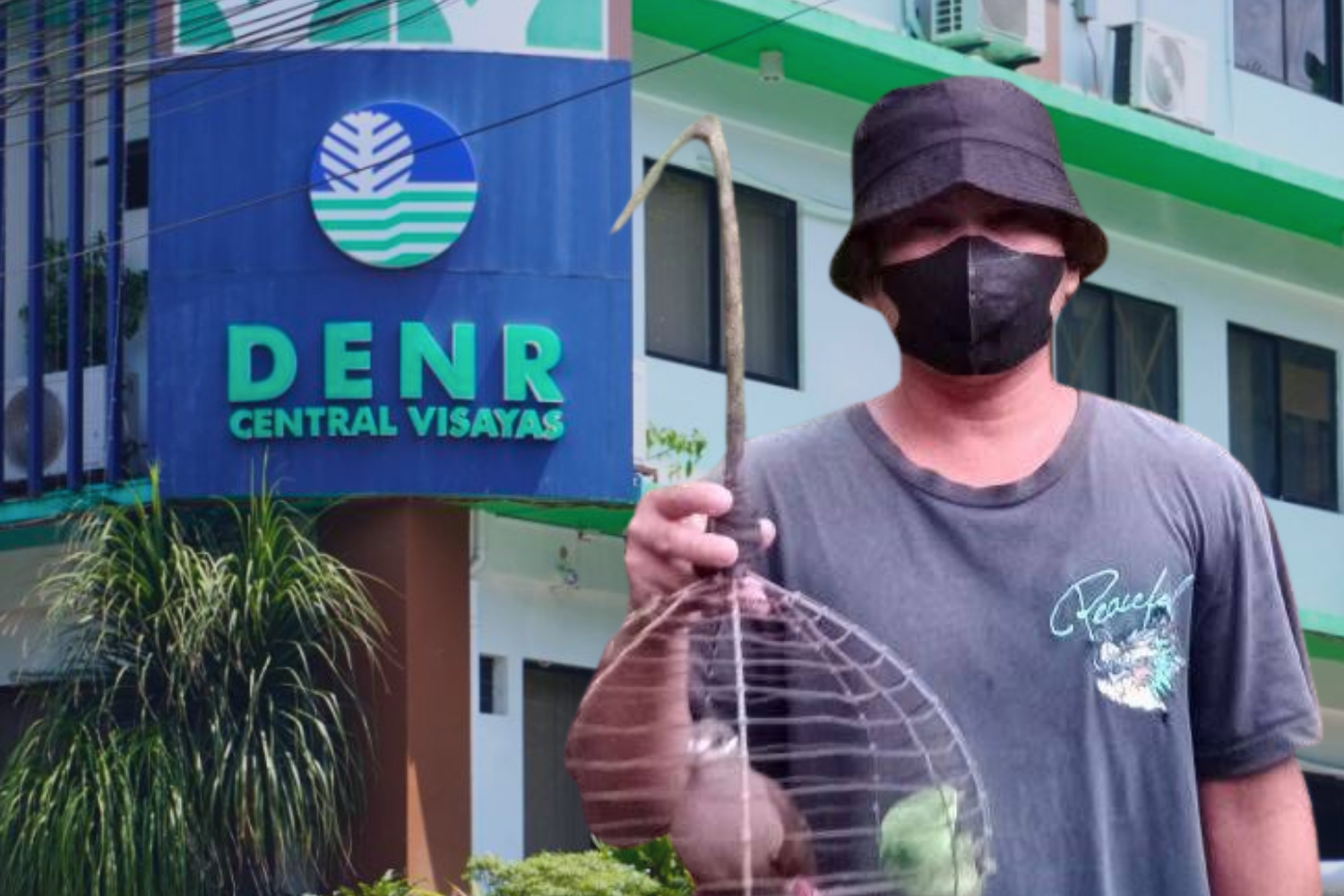
The Bohol-based content creator behind the Facebook page “Secret Hunter” revealed that personnel from the Department of Environment and Natural Resources (DENR) had gone to his home and warned him to stop hunting wild kulasisi.
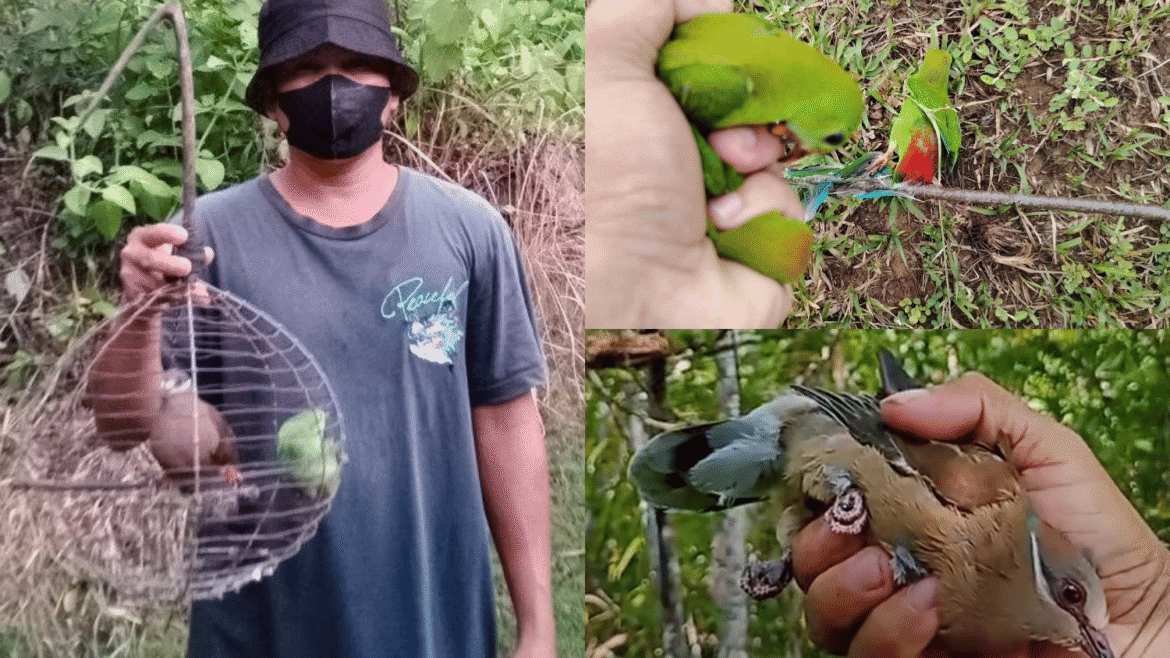
The visit came after radar exposed the page, which had openly posted videos and photos of wild birds being trapped, captured and kept—turning an activity prohibited without proper authorization into social media entertainment.
“Pinuntahan na tayo ng taga-DENR,” Secret Hunter said in his latest video.
He showed what he said were now-empty cages and claimed all the kulasisi he had kept were released.
“Lahat ng mga alaga natin na kulasisi, wala na, pinakawalan na,” he said.
He also had a message for fellow hunters: “Kung naghahunting kayo ng kulasisi, itigil n’yo na ’yan… kasi bawal daw.”
There should be no “daw” about it.
It is prohibited by law without the required authorization.
Republic Act No. 9147, or the Wildlife Resources Conservation and Protection Act, prohibits acts including collecting, hunting and possessing wildlife without the permits or authorization required by law. It also regulates wildlife trading and transportation. Violators face imprisonment and fines, with penalties depending on the offense and conservation status of the wildlife involved.
Releasing the birds is welcome, but it should not automatically erase questions about what happened before DENR arrived. Authorities must determine the species involved, how many animals were captured, how long the activity had been taking place, whether wildlife had been traded and whether charges are warranted.
The videos themselves may provide evidence.
And Meta must answer for its role.
Secret Hunter built an audience of around 14,000 Facebook followers while repeatedly publishing hunting content. radar.ph has also uncovered “Tonic’s Hunting Vlog” in Zamboanga City, another page filled with apparent bird trapping and hunting content.
Where Facebook monetization is enabled on such content, Meta isn’t merely providing a place to upload videos. It risks creating a financial reward for producing more of them.
Catch a bird. Film it. Upload it. Generate views and engagement. Potentially make money. Repeat.
That is a dangerous incentive for wildlife exploitation.
Facebook must aggressively remove content involving illegal wildlife capture and prevent it from qualifying for monetization. Meta should also cooperate with DENR when authorities investigate accounts that publicly document potential wildlife offenses.
The Secret Hunter case proves something else: calling these pages out works.
radar exposed the activity. The public sounded the alarm. DENR went to the hunter’s home. Now the cages he displayed are empty and he says he will stop hunting kulasisi.
But this cannot end with one Facebook page.
DENR should pursue other accounts openly documenting similar activities, and Meta must stop allowing Philippine wildlife to become raw material for engagement and profit.
The birds have been released. The investigation—and accountability—should not end there.