Aklan pediatrician says vaccine misinformation and scare tactics can put lives at risk.
A Filipino pediatrician is daring anti-vaxxers to put their beliefs to the test by refusing anti-rabies treatment after a potentially fatal animal bite.
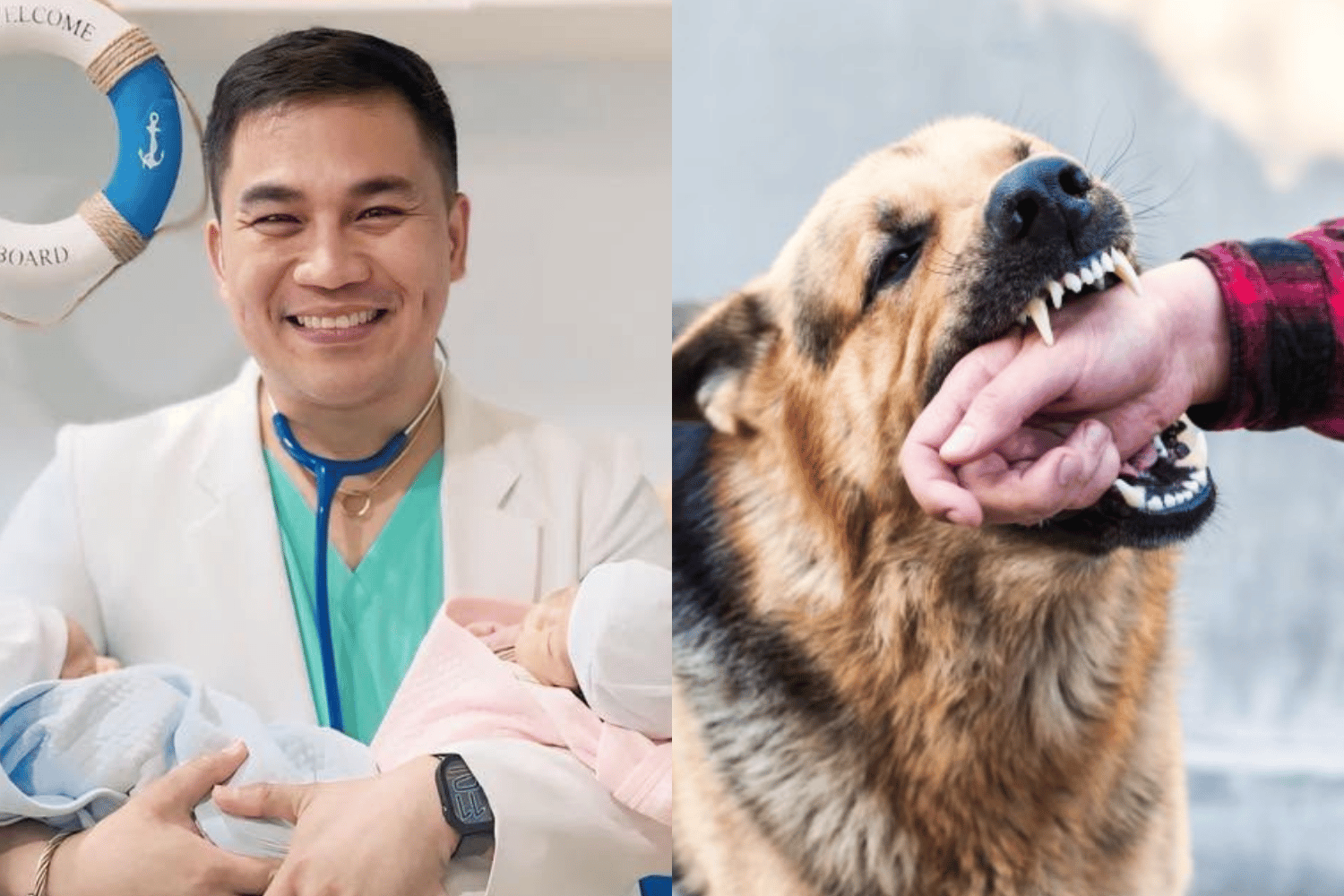
Dr. Nikki James Francisco, an Aklan-based general pediatrician who runs the Facebook page Doc Hugot, made the challenge in a post criticizing claims that vaccines are “harmful chemicals” that can damage the body.
“Kapag kayo nakagat ng asong gala na mukhang may rabies, huwag na huwag kayong magpapaturok ng anti-rabies vaccine at immunoglobulin, ha?” Francisco wrote, sarcastically telling vaccine skeptics to rely on “natural immunity” instead.
Francisco later told radar Business that he made the analogy after encountering claims that vaccines are designed to cause degeneration or even exterminate people and are supposedly “products of the devil.”
He said the point was to expose the inconsistency in rejecting vaccines as inherently dangerous while still potentially relying on one after a rabies exposure.
“It was humorous in delivery, but the issue is serious. Vaccine misinformation can influence health decisions and ultimately put lives at risk,” he told radar.
Once rabies symptoms appear, the disease is virtually 100% fatal, but prompt post-exposure treatment can prevent the virus from reaching the nervous system. WHO recommends wound treatment, rabies vaccination and, when indicated, rabies immunoglobulin after exposure.
The bigger concern is how vaccine misinformation has continued to affect routine immunization in the years after the COVID-19 pandemic.
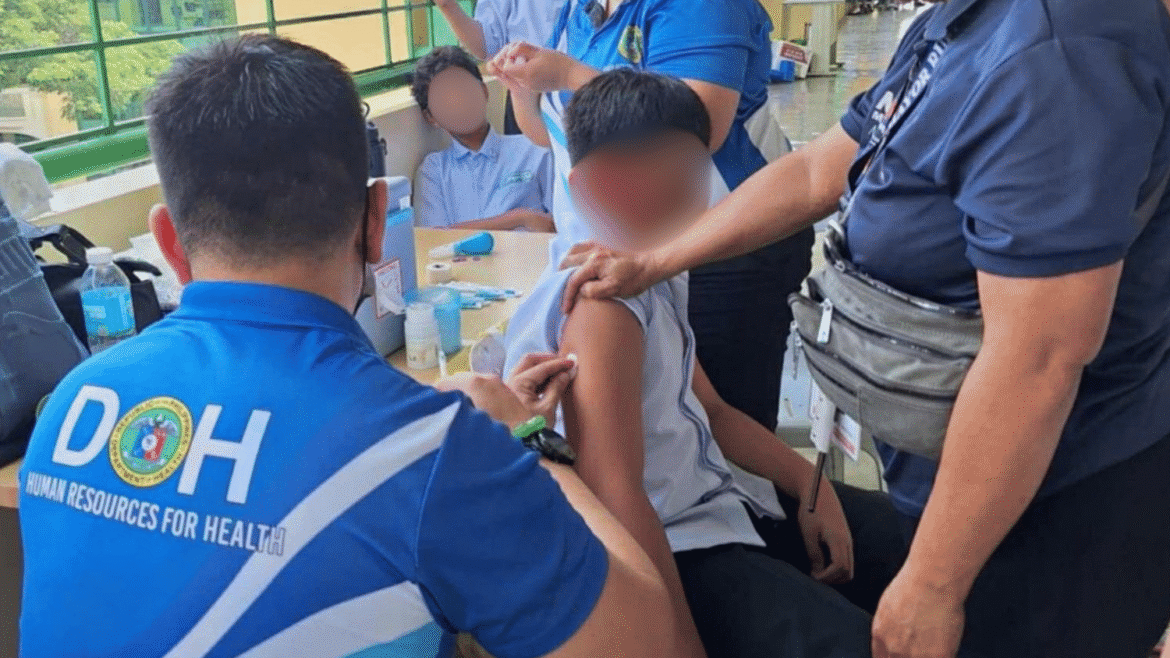
As of early 2025, only 61% of eligible Filipino children had been recorded as fully immunized through the routine childhood schedule, leaving more than 900,000 children yet to complete their vaccines.
The country has made progress from the roughly 1 million zero-dose children recorded from 2020 to 2022, but health authorities continue to warn that misinformation and declining confidence can reverse those gains.
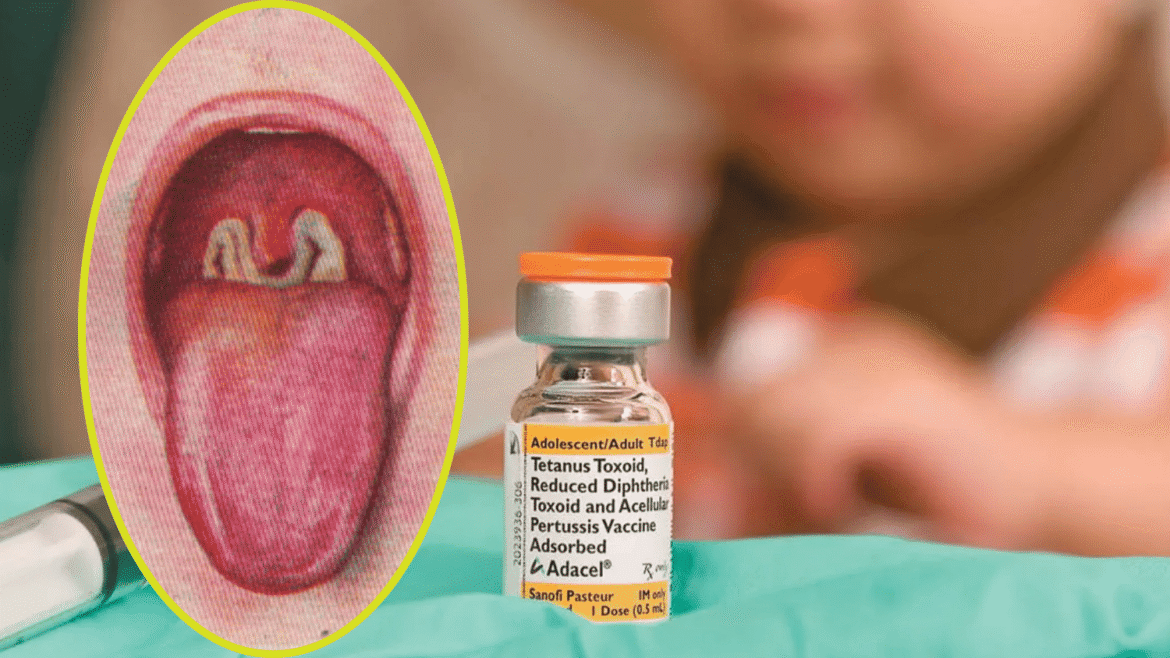
The issue is especially consequential for infants and young children, whose routine vaccines protect against diseases such as measles, polio, diphtheria, tetanus and pertussis.
“Vaccine misinformation can influence health decisions and ultimately put lives at risk,” Francisco said.
READ: