Are politics and profit to blame?
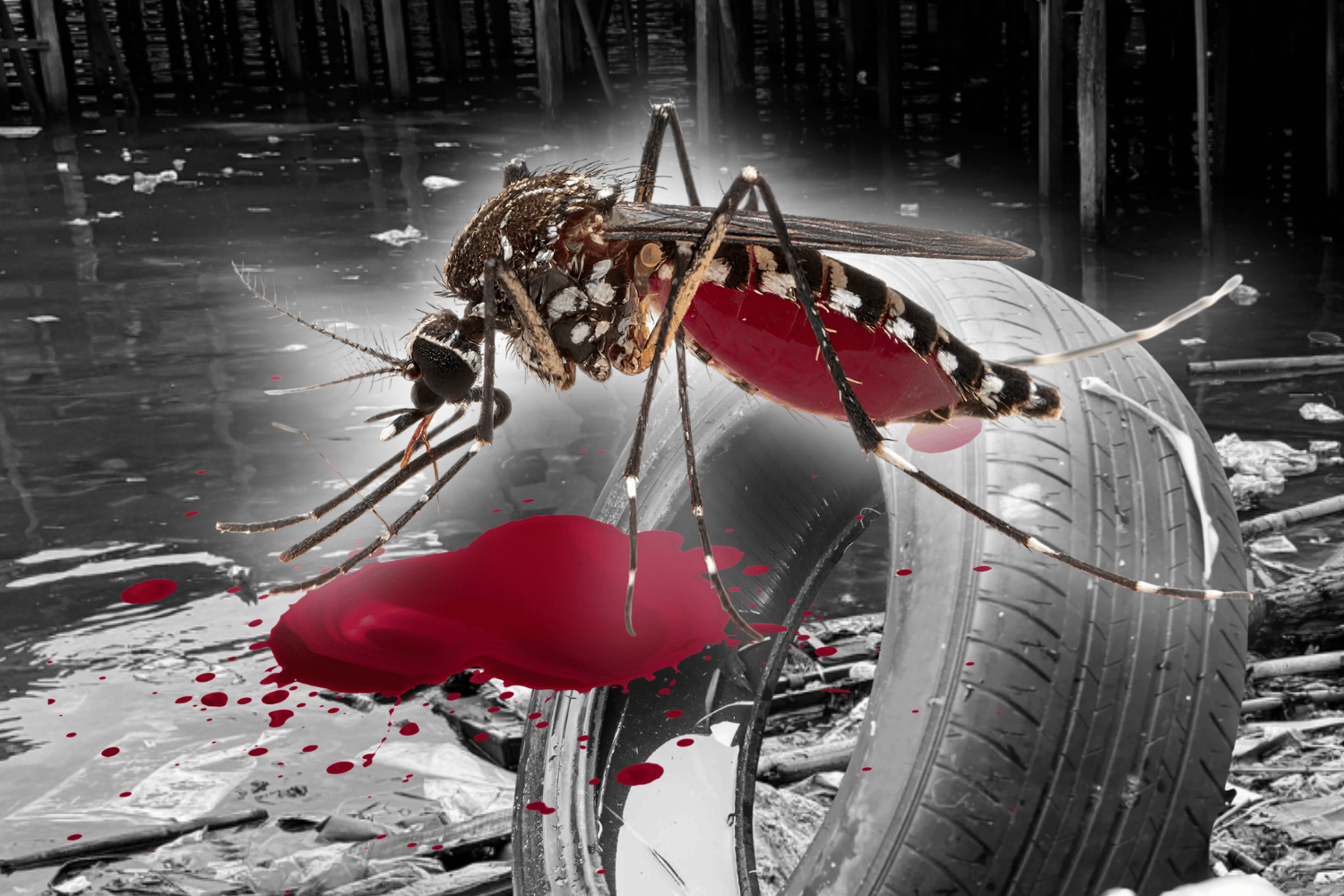
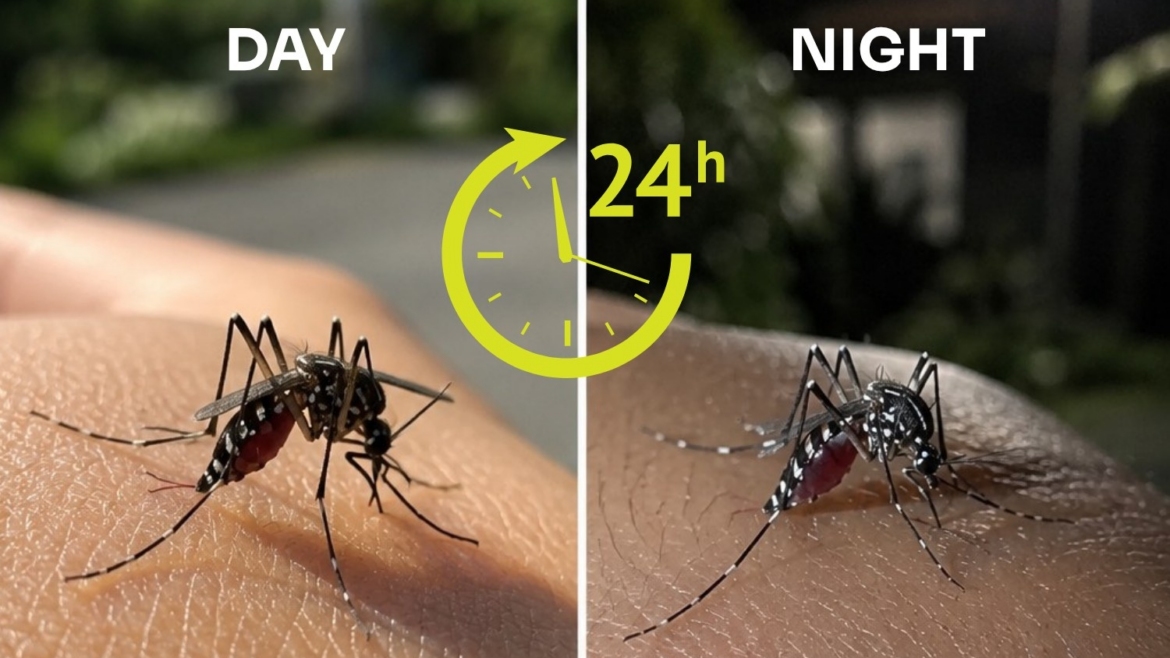
Dengue is a year-round threat in the Philippines. In fact, it remains among the most dengue-affected countries worldwide, logging tens of thousands of cases every year.
Still, the Philippines has no national dengue vaccination program. Why?
Dengue is a mosquito-borne viral infection. Most cases are mild, but some turn severe—especially repeat infections—leading to internal bleeding, organ failure, and death. There’s no specific cure, only supportive treatment and hospitalization when symptoms worsen.
While vaccines don’t cure dengue, they reduce the risk of infection and severe disease. The World Health Organization recognizes two dengue vaccines: Dengvaxia and Qdenga.
Dengvaxia of France’s Sanofi-Pasteur is the first-generation dengue vaccine meant for previously infected patients. Qdenga of Japan’s Takeda is the newer one approved in over 40 countries, including our Southeast Asian neighbors Indonesia, Malaysia, Vietnam, and Thailand.
In the Philippine context, “Dengvaxia” is associated with fear and panic. Its 2016 rollout was smooth—until Sanofi disclosed that it could increase the risk of severe dengue in people with no previous infection. This didn’t mean Dengvaxia itself causes severe dengue, but the damage was already done.
A National Institutes of Health study later observed how biased media hype, false narratives on social media, politicized congressional inquiries, and unsubstantiated claims—some from authorities and even health professionals—fueled mass hysteria. Public trust collapsed, not only in Dengvaxia, but in vaccination itself.
And dengue only remains prevalent. By the end of 2024, the Department of Health reported over 340,000 cases and nearly 900 deaths. By mid-2025, more than 110,000 cases and 400 deaths had already been recorded. As of January 2026, at least 7,400 dengue cases have been reported.
Sanofi halted Dengvaxia production globally in 2024 due to lack of demand. In any case, the Philippine Food and Drug Administration revoked its license in 2019 for allegedly failing post-marketing requirements. Qdenga, meanwhile, has been awaiting local regulatory approval for over two years now.
Filipinos remain exposed. Dengue cases continue to rise, yet the country’s response remains largely reactive, limited to mosquito control advisories and awareness campaigns.
What’s holding our country back? Is it fear of reopening the Dengvaxia controversy? Political self-preservation? Business interests and power plays deciding who gets the lion’s share?
Dengue is dangerous, but poor governance is far deadlier. It spreads quietly, lingers for years, and turns solvable health crises into recurring national tragedies.
Just like dengue, poor governance remains endemic to the Republic of the Philippines.
READ: