New modern commuter facilities to include seating, CCTV, charging stations, and more—but questions on delivery and upkeep remain.
Decades of commuters calling for proper and secure transport waiting areas are finally gaining traction — or so the government says.
The Department of Transportation (DOTr) announced it is rolling out 103 additional modern public utility vehicle (PUV) stops across the country, building on the 24 facilities already completed in Metro Manila and Aklan and 19 others currently under construction.
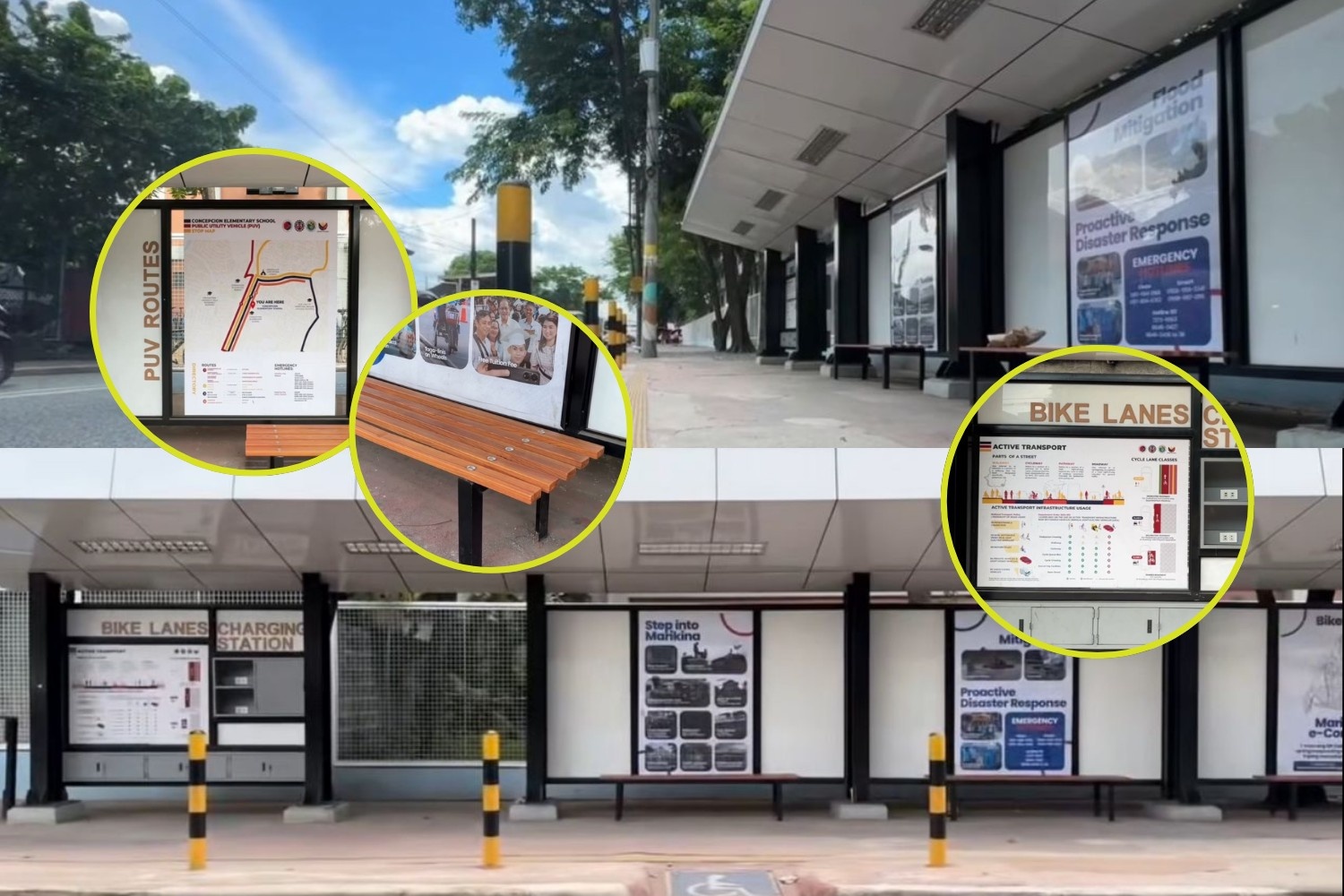
Unlike the traditional signposts that only mark loading areas, the new PUV stops are designed as full-fledged commuter facilities equipped with seats, lighting, CCTV cameras, tactile pavements, charging stations, solar panels, and even bike repair stations.
It sounds like exactly what millions of Filipino commuters have been asking for, particularly students, senior citizens, and persons with disabilities, who often endure extreme weather and poorly lit roads while waiting for public transport.
But announcements like this are not new. Infrastructure projects aimed at improving the commuting experience have been launched before, only to stall, sit incomplete, or fall into neglect not long after the ribbon-cutting. The question hanging over this rollout is whether these will actually get built this time around, and once they are, whether they will be maintained.
New PUV stops are planned for several areas including Nueva Ecija, Quezon City, Zamboanga, Calapan, Cebu City, Mandaue, and Iloilo.
Dedicated public transport stops have long been standard in many cities abroad, where shelters, seating, lighting, route information, and accessibility features are built to last.
Whether the Philippines gets there this time remains to be seen.
READ: