The infamous joke discourages people from seeking treatment
Tell someone you’re from Mandaluyong, and chances are you’ve heard the same question countless times: “Sa loob o sa labas?”
For decades, it has been one of Metro Manila’s most recognizable jokes, often delivered with a grin and followed by laughter. But what many Filipinos grew up considering harmless humor carries a troubling meaning that is increasingly difficult to ignore.
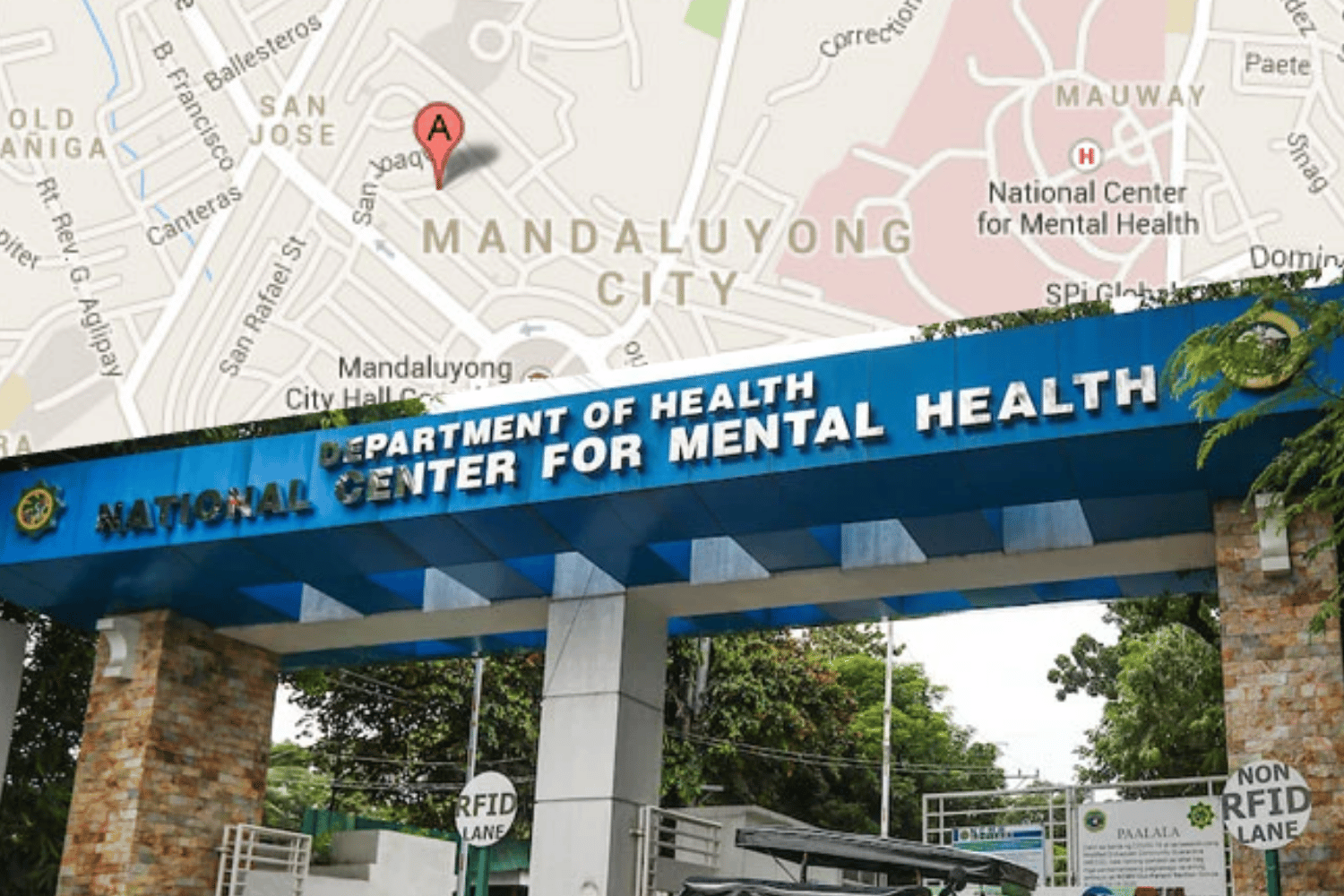
The joke refers to the National Center for Mental Health (NCMH), formerly known as the National Mental Hospital, which opened in Mandaluyong on December 17, 1928.
Established during the American colonial period, the sprawling psychiatric facility became the country’s leading public institution for treating people with mental health conditions.
Its presence eventually gave Mandaluyong an unfortunate reputation. The city’s name became so closely associated with the mental hospital that merely mentioning it could invite jokes about someone’s sanity.
Hence, the infamous question.
“Sa loob” implied that someone was a psychiatric patient confined within the hospital, while “sa labas” meant the person was supposedly sane and living outside its walls.
The punchline was simple: Being mentally ill was something to laugh about.
The joke became deeply embedded in Filipino popular culture, repeated in classrooms, workplaces, family gatherings, and casual conversations. Generations passed it along without necessarily questioning why psychiatric patients had become the objects of ridicule.
Over time, the expression also acquired a more literal meaning among residents, with “loob” referring to neighborhoods tucked inside narrow alleyways and “labas” referring to areas along major roads.
But its association with the psychiatric hospital remained the joke’s most recognizable interpretation.
Today, growing awareness of mental health has made that humor increasingly difficult to defend.
Mental illness is not a measure of intelligence, character, or human worth. Neither is psychiatric confinement something inherently shameful. People admitted to mental health facilities are patients receiving medical care, not characters created for public amusement.
Yet the Mandaluyong joke reinforces precisely the stigma that discourages people from seeking treatment.
There is also an uncomfortable irony in how a hospital established to provide psychiatric care became the basis of a joke that trivializes the very conditions it was created to treat.
What previous generations dismissed as harmless teasing is increasingly recognized today as insensitive, discriminatory, and rooted in outdated attitudes toward mental illness.
After all, the question was never really about where someone lived. It was about whether being mentally ill made someone worthy of ridicule.
And that is why “Sa loob o sa labas?” is no longer something everyone should be expected to laugh at.
READ: