EXPLAINER: How to spot white-label cosmetics being sold at premium prices
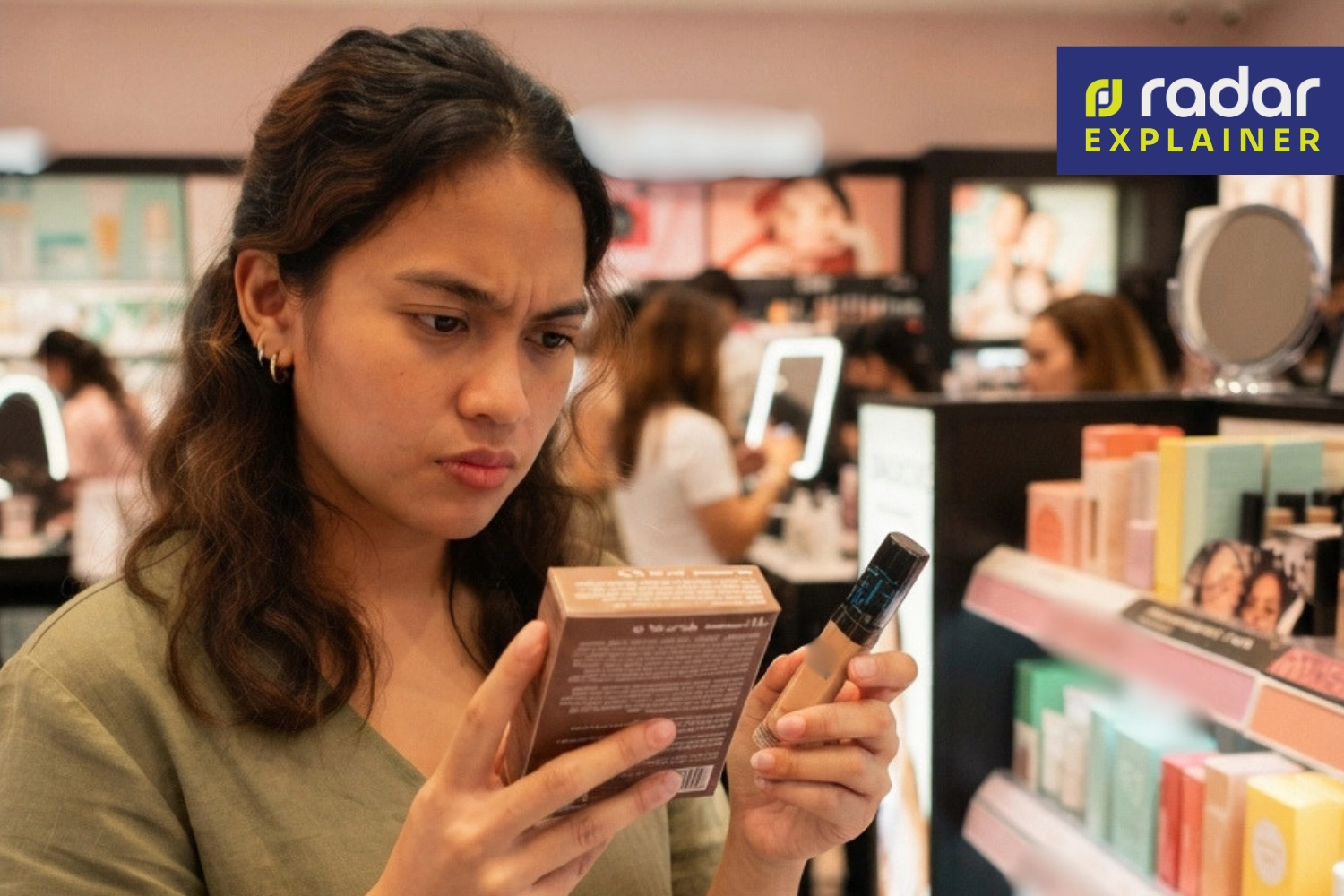
You just spent ₱1,800 on a facial serum advertised as a revolutionary skincare breakthrough. The packaging looks expensive, the endorsements are convincing, and the brand promises a formula developed exclusively for its customers.
Then you discover another serum selling for just ₱299. Different brand, different packaging, but potentially the exact same ingredients.
Could you have paid six times more for essentially the same product?
Welcome to the world of white-label cosmetics, where manufacturers produce ready-made beauty products that different companies can purchase, repackage, and sell under their own brands.
The practice is legal and common in the beauty industry. But when generic formulas are marketed as exclusive innovations, consumers may end up paying enormous premiums for branding rather than actual product development.
Here are ways to investigate whether your expensive cosmetics are simply rebranded products.
1. Google the ingredient list
One of the easiest ways to investigate a suspected white-label cosmetic is to examine its International Nomenclature of Cosmetic Ingredients (INCI) list.
Copy the complete ingredient list and paste it into Google using quotation marks.
If several unrelated brands display the same ingredients in precisely the same sequence, they may be using a common manufacturer’s formula.
Cosmetic ingredients are generally listed in descending order of concentration, although exceptions apply to ingredients present at 1% or less.
An identical ingredient list is a strong clue, but not definitive proof. Two products can have different concentrations, manufacturing processes, and performance despite listing the same ingredients.
2. Check who actually manufactures it
Look closely at the packaging.
Does it say “Manufactured by,” “Manufactured for,” or “Distributed by”?
These distinctions can reveal whether the brand operates its own manufacturing facility or contracts production to another company.
However, outsourcing manufacturing does not automatically mean a product is white-label. Many established beauty companies use contract manufacturers to produce original, proprietary formulations.
3. Search for identical packaging
That luxurious dropper bottle or elegant lip tint tube might be available in a manufacturer’s wholesale catalog.
Use Google Lens to search product photographs, packaging, and promotional swatches.
Finding identical bottles, applicators, and even marketing photographs across unrelated brands may suggest that the products come from a common supplier.
Packaging similarities alone, however, do not establish that the contents are identical.
4. Verify the product with the FDA
In the Philippines, consumers can check cosmetic notifications and establishment licenses through the FDA Verification Portal.
Look for the product’s notification details and the company responsible for placing it on the market.
Remember that cosmetic notification is not equivalent to FDA approval of a product’s safety or effectiveness.
A valid notification also does not establish that a formula is exclusive to one brand.
5. Question claims of exclusivity
Be particularly skeptical when a brand describes its product as a revolutionary, exclusive, or scientifically developed formula without providing meaningful supporting information.
Ask whether the company identifies its research, explains its proprietary technology, or provides evidence for specific performance claims.
A newly established brand launching numerous unrelated skincare products simultaneously may also warrant closer examination, although this is not proof of white-label sourcing.
White-label does not mean low quality
Here is an important distinction: white-label cosmetics are not necessarily inferior, unsafe, or ineffective.
Some reputable manufacturers develop excellent ready-made formulations that smaller beauty entrepreneurs can legally sell under their own brands.
And premium pricing may reflect legitimate expenses, including testing, quality control, distribution, customer service, and marketing.
The real issue is transparency.
If a company sells an ordinary stock formula while encouraging customers to believe they are purchasing an exclusive scientific innovation, consumers have reason to question whether the premium is justified.
Before spending thousands on your next beauty purchase, spend a few minutes examining its ingredients, manufacturer, and regulatory information.
Because sometimes, the most expensive ingredient in your skincare routine isn’t inside the bottle.
It’s the brand name printed outside it.
READ:
WARNING: Doctors caution against glutathione use among minors
radar Lifestyle
November 18, 2026
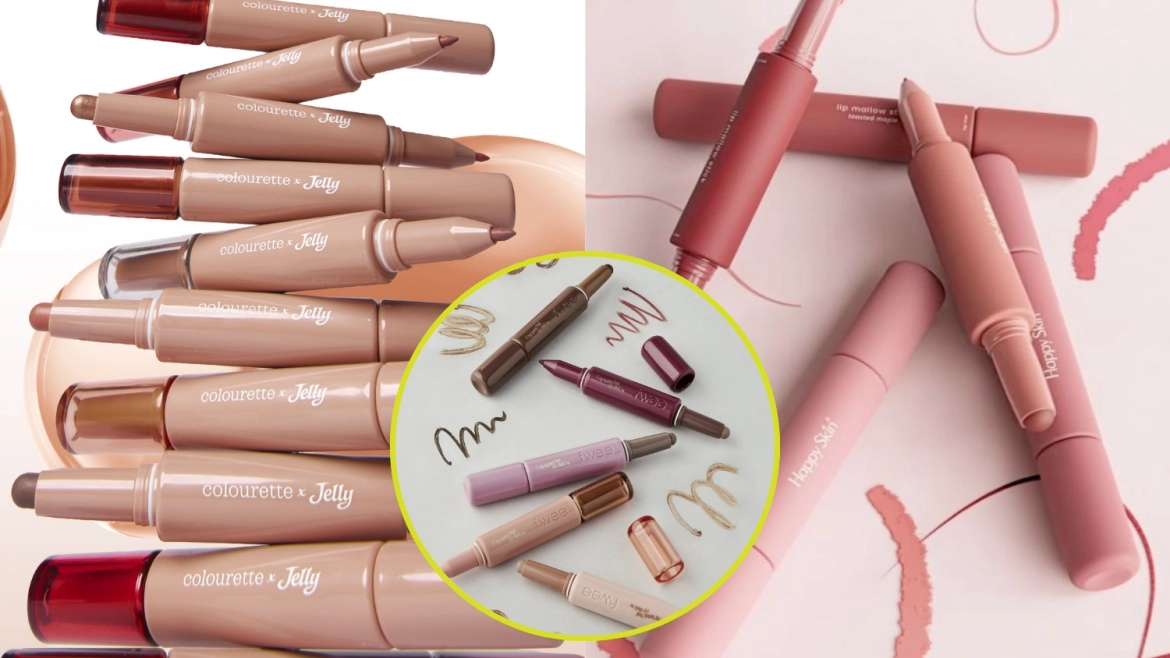
Happy Skin, Colourette draw comparisons over similar makeup launches
radar Business
November 20, 2026
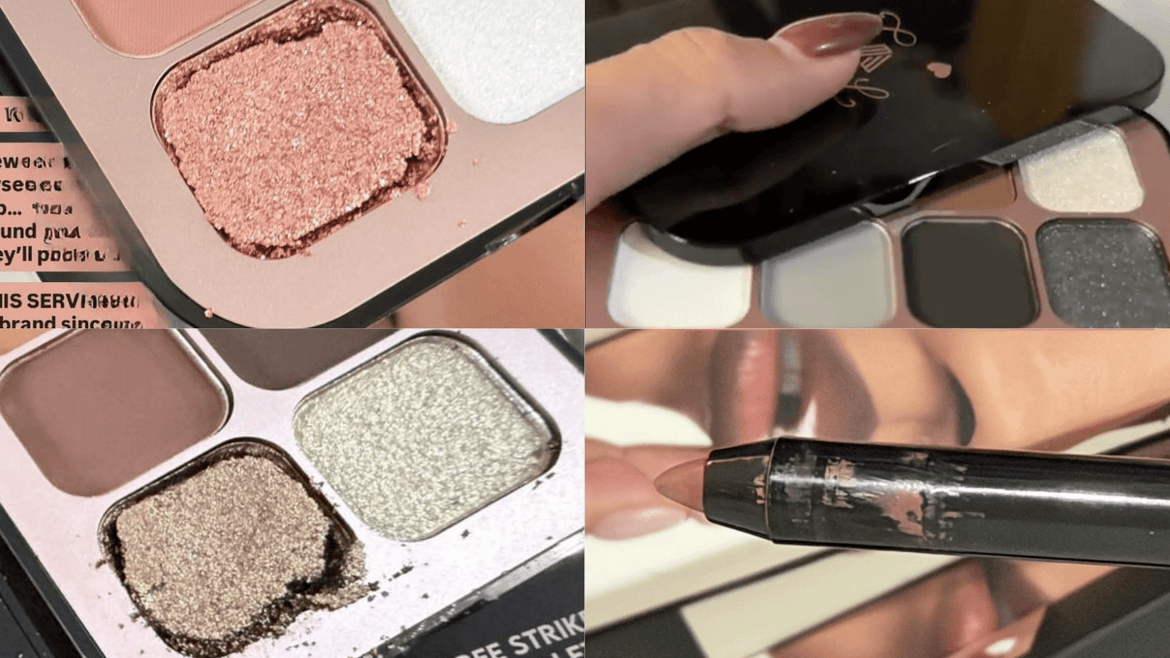
Vice Cosmetics x Lierge collab plagued with complaints
Kiara Gorrospe
November 3, 2026