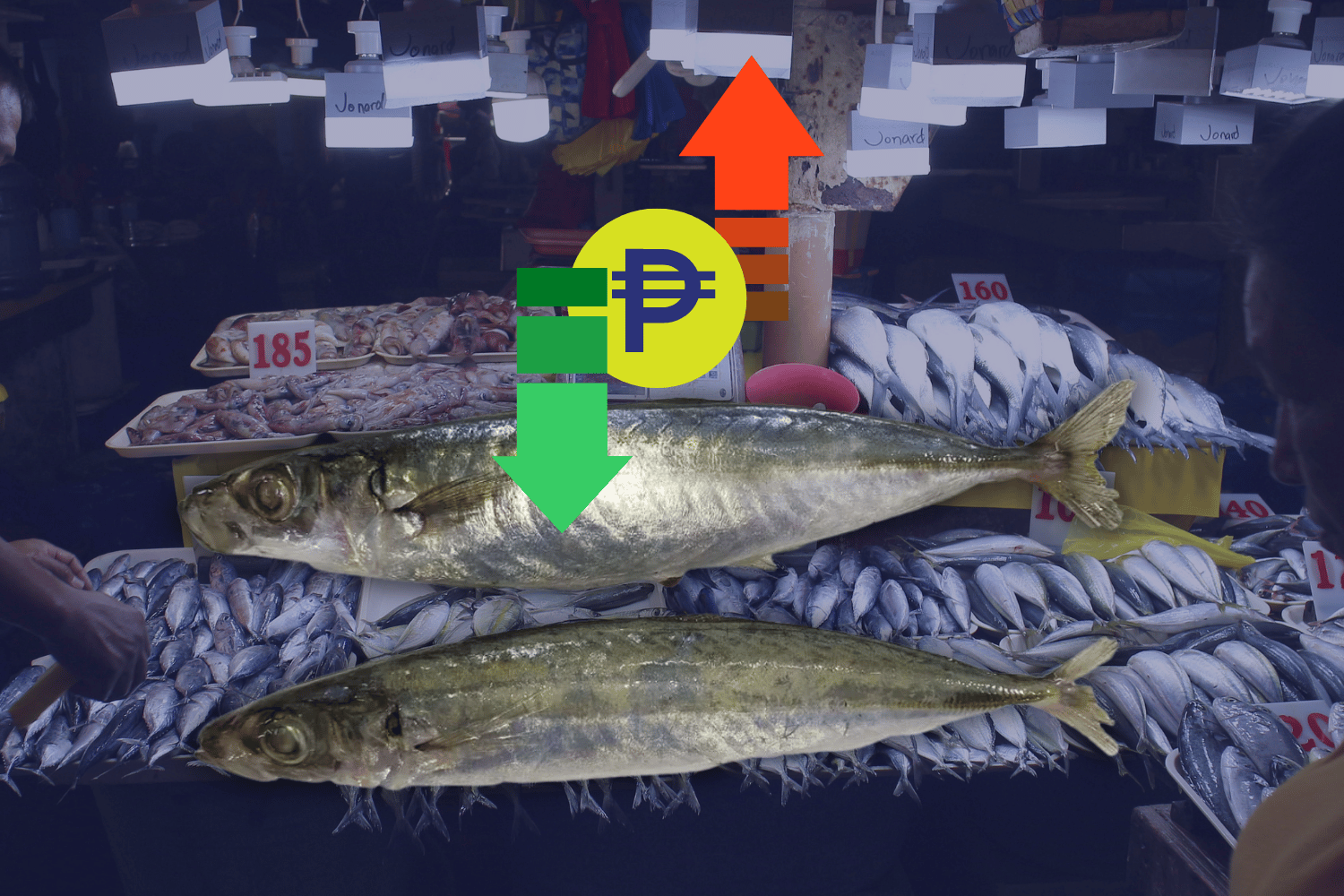
Galunggong was widely available, relatively inexpensive and commonly eaten by working-class households.
Before inflation rates became everyday headlines, Filipinos had a much simpler way of understanding whether life was getting more expensive.
They looked at galunggong.
For decades, the humble round scad was more than the so-called “poor man’s fish.” Its retail price became an informal yardstick for the cost of living: if galunggong was getting expensive, ordinary families were probably feeling the squeeze.
The association became particularly prominent during the administration of President Corazon Aquino, when the price of galunggong figured heavily in public discussions about inflation and purchasing power.
It was easy to understand. Economists could talk about percentages and price indices, but almost everyone understood what it meant when a basic fish suddenly cost more.
Today, however, galunggong isn’t quite the economic thermometer it used to be.
Why galunggong worked
A good informal price benchmark needs to be something ordinary consumers regularly buy.
Galunggong once fit that description perfectly.
It was widely available, relatively inexpensive and commonly eaten by working-class households. Watching its price rise therefore offered an immediate, relatable picture of how far a family’s money could go.
But the usefulness of that comparison depended on galunggong itself remaining an ordinary, affordable commodity.
That has changed.
When the yardstick started moving
In recent years, galunggong prices have reached as high as ₱400 per kilo in some markets—sometimes making the former “poor man’s fish” more expensive than chicken and certain cuts of pork.
More importantly, galunggong has its own complicated supply problems.
Round scad is predominantly wild-caught, making supply vulnerable to fishing conditions, declining catches and fuel costs. Government-imposed closed fishing seasons temporarily restrict catches in important fishing grounds so fish populations can reproduce.
Imports have also been used to augment domestic supply.
All these factors can cause galunggong prices to move for reasons that have little to do with the general direction of consumer prices.
A sudden increase could reflect inflation. But it could also reflect fewer fish being caught, a closed fishing season or a temporary supply shortage.
That makes galunggong a much less reliable shorthand for the overall cost of living.
There is no new ‘galunggong index’
No single commodity has formally replaced it.
Today, inflation is measured through the Consumer Price Index or CPI compiled by the Philippine Statistics Authority. Instead of asking how much one fish costs, the CPI monitors price changes across a broad basket of goods and services households actually consume.
Food is only one part of it. Housing, electricity, gas, transportation and other expenses also matter.
Within food, rice remains particularly significant because of its importance to Filipino household spending. Its price movements can strongly affect food inflation, especially for lower-income families.
But rice alone isn’t inflation either.
That is precisely why economists use a basket rather than a single product.
From economic yardstick to economic story
Galunggong hasn’t lost its significance.
Its price can still tell us plenty about food security, fisheries, imports, fuel costs and the purchasing power of households trying to put protein on the table.
What has changed is what that price can reliably tell us.
Once, asking “Magkano na ang galunggong?” was almost a shorthand way of asking how expensive life had become.
Today, the answer may tell us as much about what is happening at sea as what is happening to prices everywhere else.
Galunggong remains an important Filipino economic symbol.
It just isn’t the yardstick it used to be.
READ:
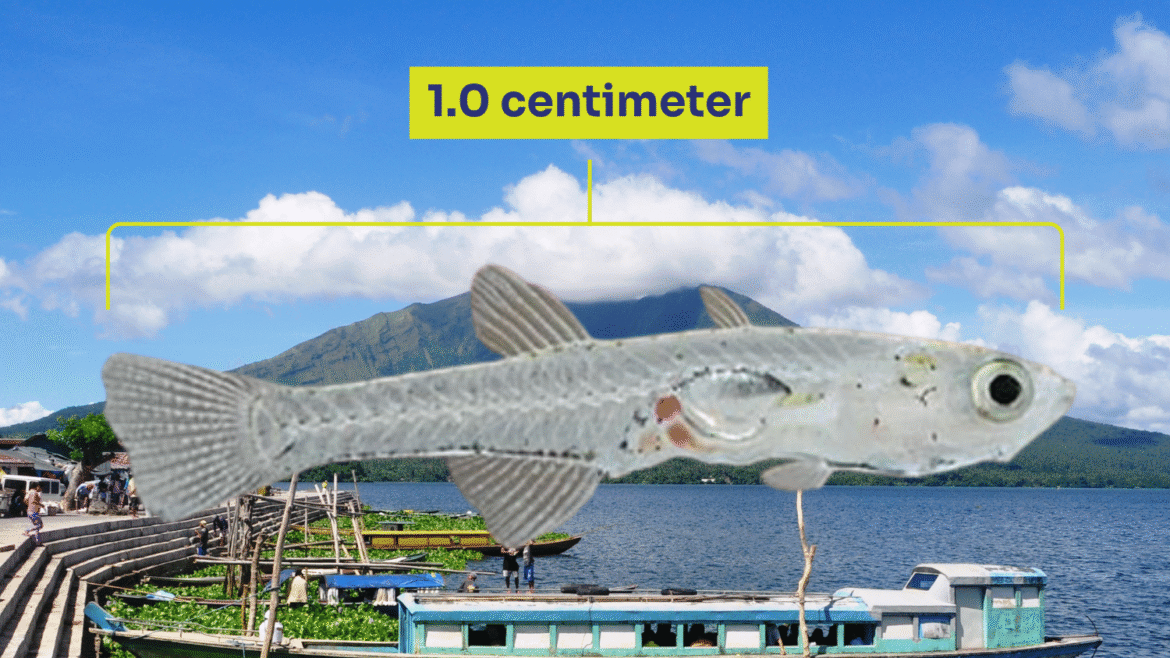
The world’s smallest food fish has vanished from Lake Buhi
Top Dagohoy
September 20, 2026
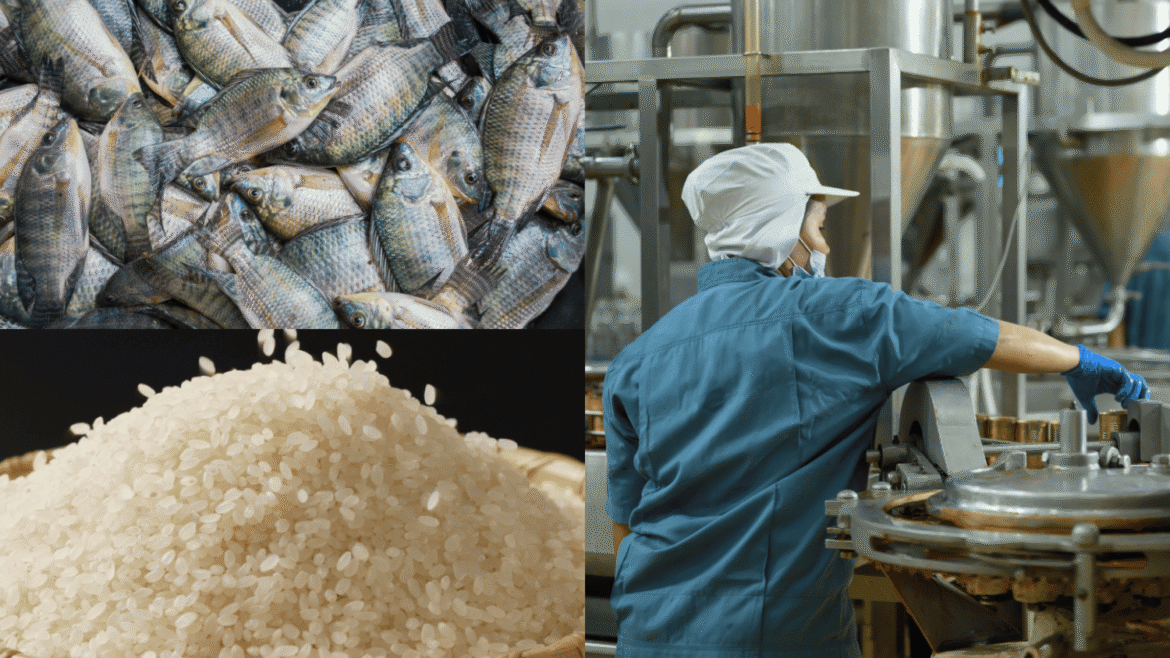
Fish and grain products post price increases as factory gate prices rise 2.9% in May
radar Business
July 1, 2026

‘One expensive fish does not define Bohol’
Top Dagohoy
September 13, 2026