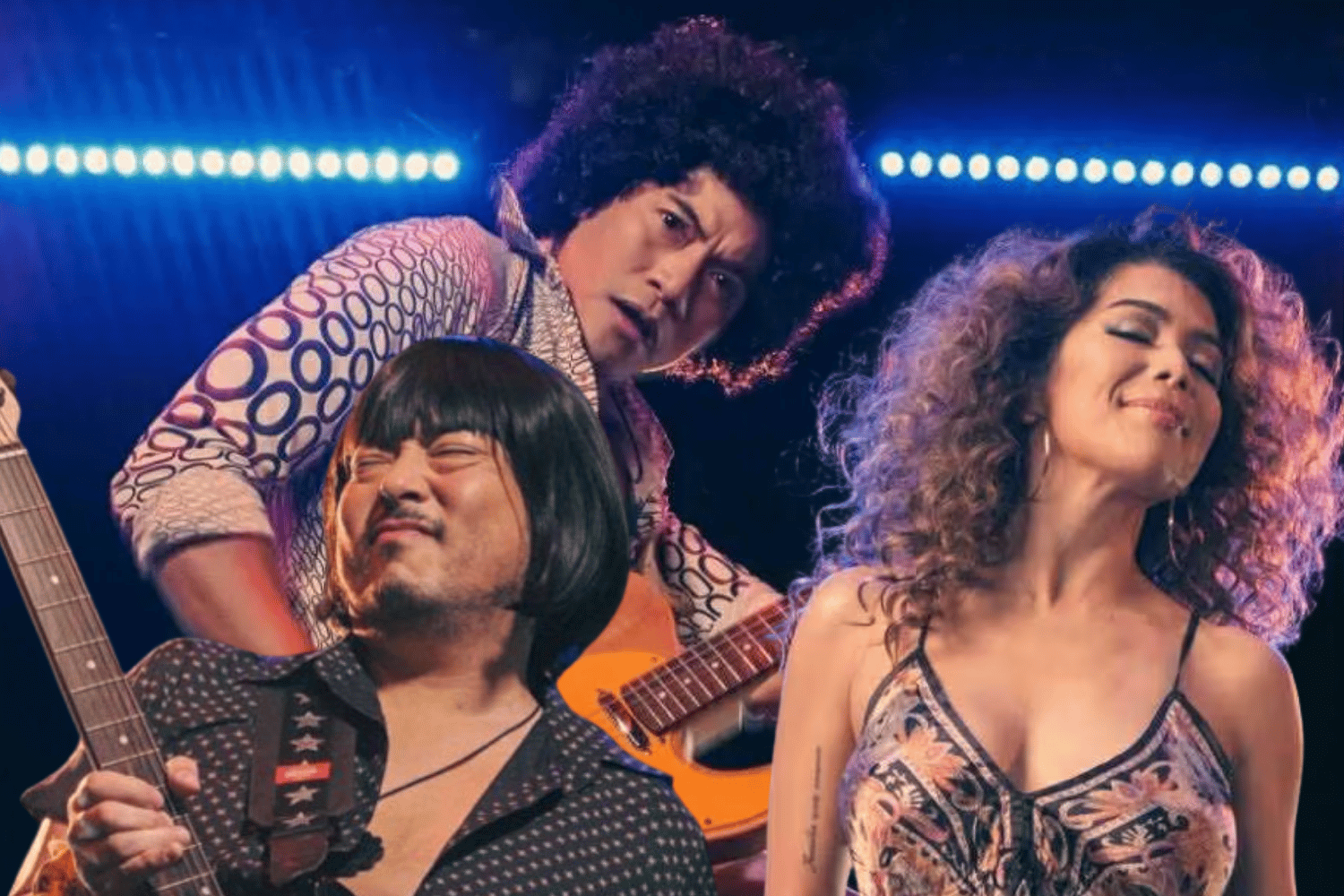
Long hair, faded jeans, loud rock music, and a carefree attitude. In the 1970s, these were the trademarks of a Filipino youngster known as a “jeproks.” He was cool, street-smart, rebellious, and seemingly unconcerned about what society thought of him.
But what many Filipinos probably don’t know is that the word “jeproks” originally referred to where someone lived.
From projects to jeproks
The term traces its roots to the government housing communities of Quezon City, particularly Project 2, Project 3, Project 4, and Project 8.
Using “tadbalik,” the Filipino slang practice of reversing or rearranging syllables, “Project” eventually became “jeproks.”
During the late 1960s and 1970s, young people from these neighborhoods developed a recognizable street culture. They gathered at neighborhood hangouts, listened to rock music, wore rugged clothes, and embraced a laid-back lifestyle.
Eventually, being called “jeproks” was no longer about living in Quezon City’s Projects. It became an identity.
The rock anthem that made it famous
The word entered mainstream Filipino consciousness through the rise of Pinoy rock, particularly Mike Hanopol’s iconic song “Laki sa Layaw (Jeproks).”
Released in the late 1970s, the song portrayed a spoiled young man whose carefree existence reflected the excesses of his upbringing.
Its popularity helped turn “jeproks” into a household expression, although its meaning gradually expanded to include spoiled, irresponsible, or excessively carefree youngsters.
The term also became associated with the rebellious spirit of Filipino rock musicians, including Pepe Smith and the Juan de la Cruz Band.
A quiet rebellion during Martial Law
The jeproks phenomenon flourished during the Martial Law years, when young Filipinos were navigating an increasingly restrictive political environment.
For some, growing their hair long, embracing rock music, and rejecting conventional expectations became expressions of individuality.
Not every jeproks was politically rebellious. But the subculture represented a generation determined to establish its own identity.
From rock music to the palengke
Interestingly, “jeproks” eventually found its way into Filipino food vocabulary.
Some Filipinos use the expression “daing na jeproks” to describe certain thin, crispy preparations of dried fish, including galunggong.
The unlikely culinary connection demonstrates how deeply the word became embedded in everyday Filipino language.
The legacy of jeproks
Today, the word may sound old-fashioned to younger Filipinos, but its cultural significance remains.
It has inspired nostalgia, fashion, music, and even theatrical productions celebrating the golden age of Pinoy rock.
What began as a playful reference to Quezon City’s housing projects eventually became one of the most recognizable expressions of Filipino youth culture.
And perhaps that is what makes “jeproks” remarkable. A word that originally identified someone’s neighborhood ended up defining an entire generation.