Q1 2026’s top causes of death were ischaemic heart diseases, neoplasms, cerebrovascular diseases, pneumonia, and diabetes.
For many Filipinos, there are two unspoken rules at the dinner table: masarap kumain and kumain ng masarap. Sometimes, these intersect with a cheekier, third general rule: masarap ang bawal.
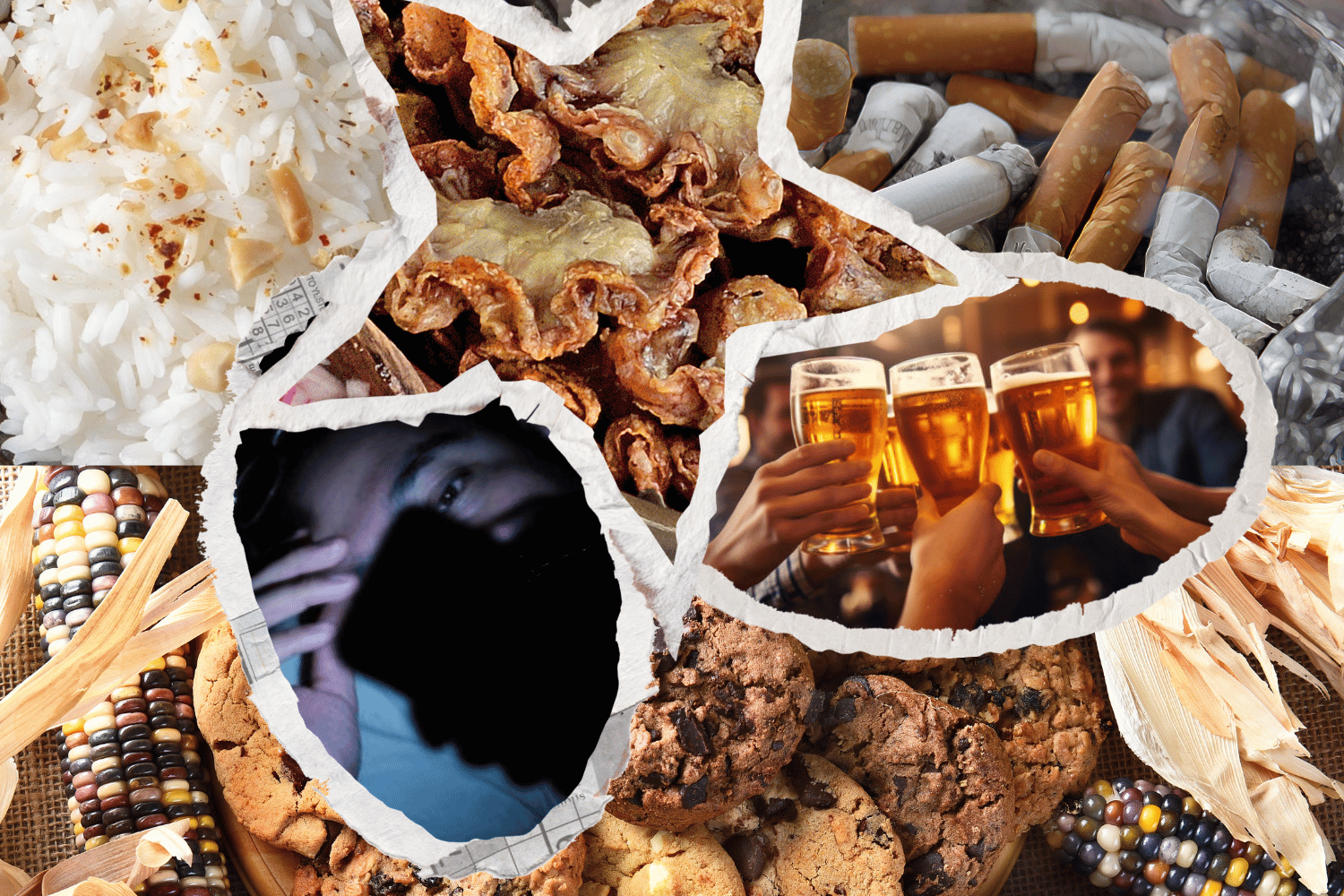
A bagnetsilog with chili garlic oil practically demands at least one extra cup of garlic rice. There’s also pritong manok or bangus. And if fried food feels like too much, there are the saucy favorites swimming in salty, umami-rich sarsa: adobo, bistek, kaldereta, pares. Of course, it’s not a Pinoy meal without sawsawan: toyo, patis, liquid seasoning.
And everything has to be washed down with soda, iced tea, or powdered juice—before moving on to chunky slices of cake or pie, scoops of ice cream, or pieces of yema.
Later, there’s the instant coffee or Spanish latte to cap it all off. And being the social beings that we are, Filipinos don’t skimp on inuman sessions, complete with mabisang pulutan: sisig, chicharon bulaklak, fries, nachos, dynamite.
And in case you forgot, Filipinos don’t exactly stop at three meals a day. There’s almusal, tanghalian, meryenda, hapunan, and, of course, the midnight snack. Cheat day? For some, that’s practically every day. Kabusugan is a virtue, pantanggal-gutom is the bare minimum.
But food is only part of the story. There’s the long daily commute, the hours spent sitting behind a desk, the Reels even while lying in bed.
There’s the yosi before and after meals, the vape throughout the day, the puyat from another late-night deadline or yet another Netflix episode. Exercise? Extra rice!
Individually, none of these automatically means poor health. But repeated over years, they can become part of a much bigger picture.
The Philippine Statistics Authority’s latest provisional data put some numbers to the bigger picture. In the first three months of 2026, ischaemic heart diseases remained the country’s leading cause of death—accounting for 23,448 deaths or 21.2% of all deaths recorded nationwide.
Neoplasms, which include cancers, followed with 10,977 deaths, while cerebrovascular diseases ranked third with 10,584. Pneumonia and diabetes mellitus rounded out the top five, with 8,913 and 6,292 deaths, respectively.
The World Health Organization identifies unhealthy diet, physical inactivity, tobacco use, and harmful alcohol use among the major behavioral risk factors for noncommunicable diseases. These can contribute to high blood pressure, high blood sugar, excess weight, and abnormal cholesterol.
In the 2023 National Nutrition Survey, some 46.9% of Filipinos aged 20 to 59 were classified as insufficiently physically active. The same survey found that 57.1% were overweight or obese under the Asia-Pacific body mass index classification. In 2021, FNRI estimated that 30.2% of Filipinos aged 20 and above had hypertension based on previous history, medication use, or a single-visit blood-pressure measurement.
Smoking is another familiar part of the equation. The 2021 Global Adult Tobacco Survey found that 18.5% of Filipino adults were current tobacco smokers, including 33.3% of men.
But here’s an important caveat: Health isn’t entirely a matter of discipline. Family history and genetics can influence disease risk, while age, biology, and the environment matter, too. Air pollution, for example, is also a recognized risk factor for cardiovascular disease and lung cancer.
And this is where the proverbial “Kapag oras mo na, oras mo na” comes in. We all know someone who smoked, drank, ate whatever they wanted, and rarely exercised—yet still lived a long life. We also know people who seemed to do everything “right” and still got sick early.
These cases are real, but they don’t erase the role of risk factors. They simply show that risk isn’t destiny, and health isn’t always predictable.
None of this means a lifelong commitment to deprivation. There’s nothing wrong with enjoying good food, staying up late once in a while, having a drink with friends, or indulging in the good stuff.
The point isn’t to give them up altogether, but to recognize when an occasional pleasure becomes an everyday habit—and when those habits begin to add up.
At the end of the day, our health comes down to a mix of the choices we make, the things we inherit, and the circumstances we live with.
READ:

Heart disease remains leading cause of death among Filipinos
John Lloyd Aleta
September 2, 2026

Philippine beaches littered with 188 discarded vapes in Western Visayas cleanup
Kenneth M. del Rosario
September 23, 2026

Heart disease remains the Philippines’ leading cause of death
radar Lifestyle
September 25, 2026
Tags: cerebrovascular diseasesdiabetes mellitusFilipino dietFNRIFood and Nutrition Research InstituteGlobal Adult Tobacco Surveyhealth risk factorshypertensionischaemic heart diseaseleading causes of deathNational Nutrition Surveyneoplasmsnoncommunicable diseasesobesityPhilippine Statistics Authorityphysical inactivitypneumoniapublic healthsmokingWorld Health Organization