Two nightmares collide in the ruins of Raccoon City.
Now Playing
Resident Evil: Requiem (PlayStation 5, Xbox Series X/S, Nintendo Switch 2, and PC)
The granddaddy of survival horror is back—and it proved once again exactly why this franchise ruled the genre in the first place. Capcom didn’t just get it right—they refined the formula and delivered something that feels massive and more personal at the same time.
Requiem plays like a big-budget Hollywood film you’re directing—from beginning to end. This is what I’ve always loved about video games: when they blur the line so well that you forget you’re holding a controller. Get your pancit canton and “arinola” ready because you’re not leaving your seat anytime soon.
Fear multiplied by two
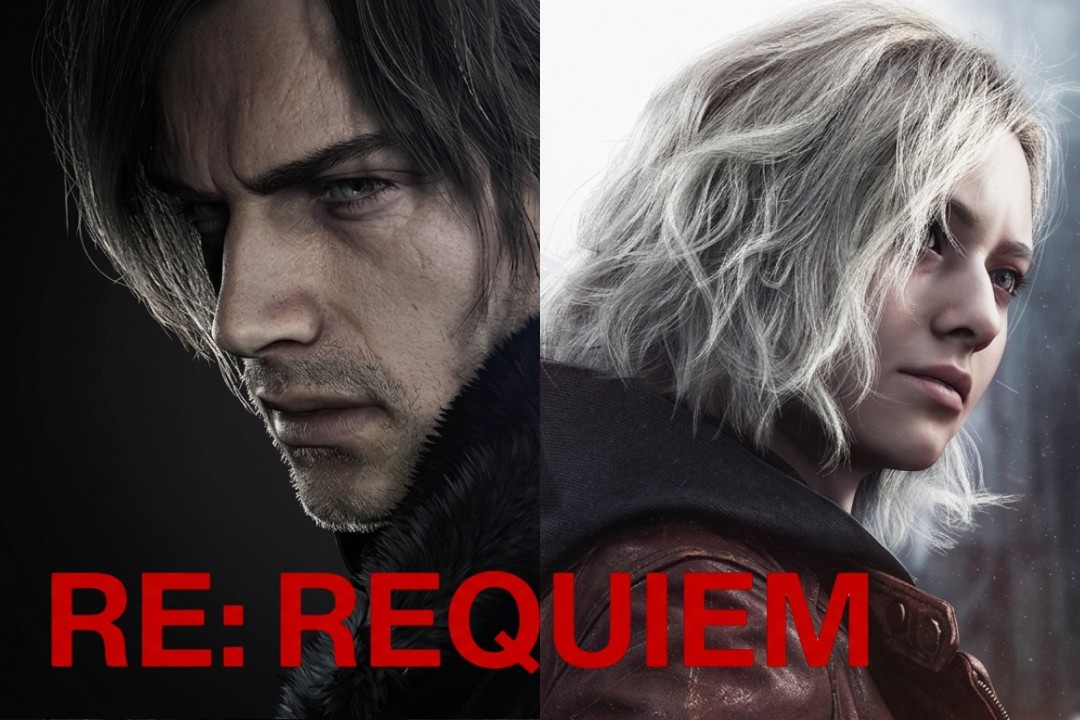
Requiem splits its story between two protagonists sharing one timeline but living very different nightmares. First, you play as Grace Ashcroft, an FBI agent chasing a case tied uncomfortably close to her past, and Leon S. Kennedy—the series’ golden boy, now older, worn down but still able to kick zombie a**. Grace carries the horror. Leon brings the action. Both chronicles don’t clash; instead, they complete each other.
Their stories begin detached, almost like separate RE titles stitched together loosely. But as the story develops, the overlap becomes tighter, more deliberate, until everything lines up clean. Requiem has the kind of writing that makes you pause and think: why are the film versions not like this? WHY???
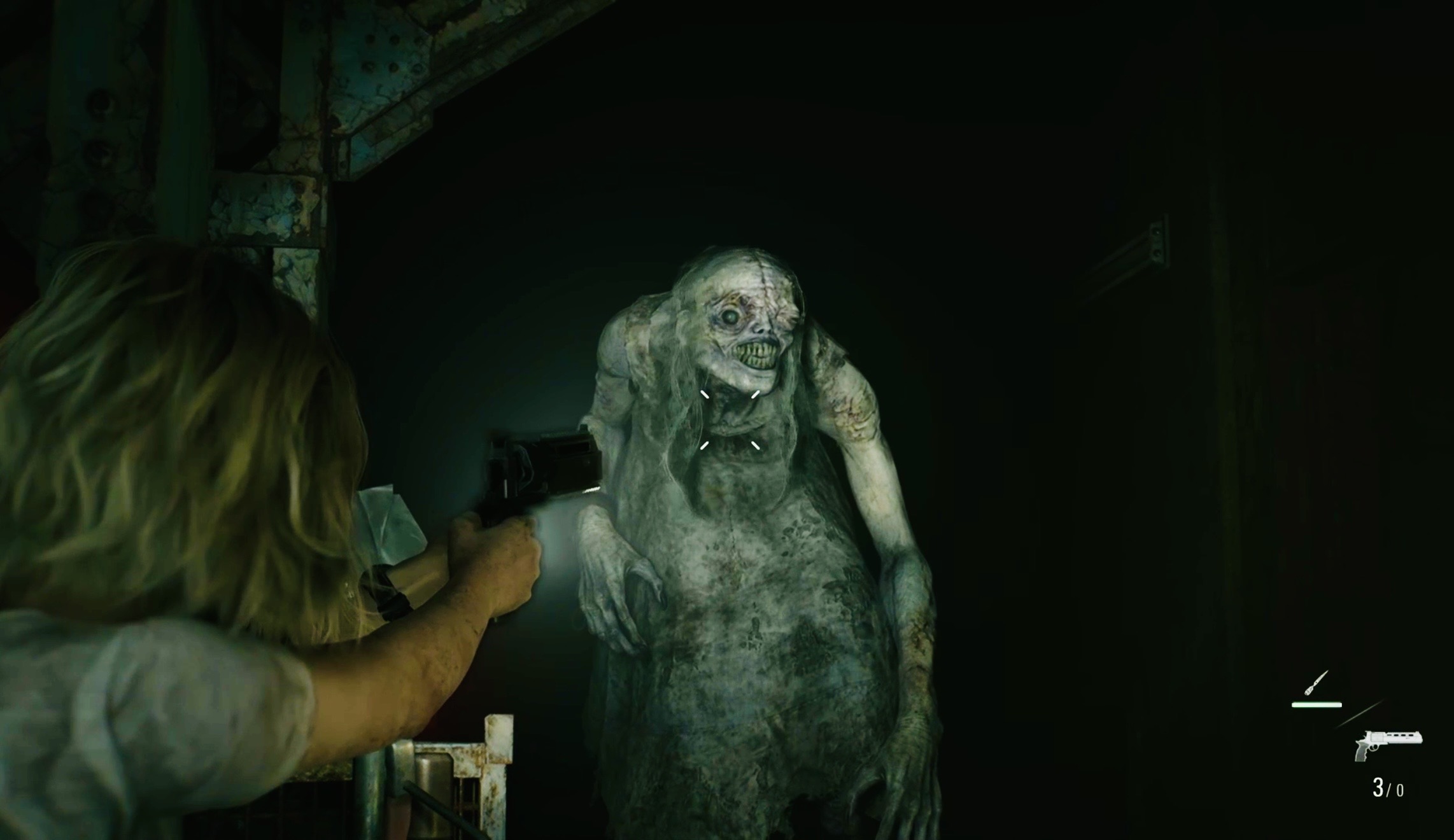
Grace’s sections are where Requiem earns its fear factor—and is when you pee your pants.
This is classic survival horror everyone is accustomed to—but stripped down and heavier. You’re creeping, checking rooms, and anticipating every sound while running becomes second nature.
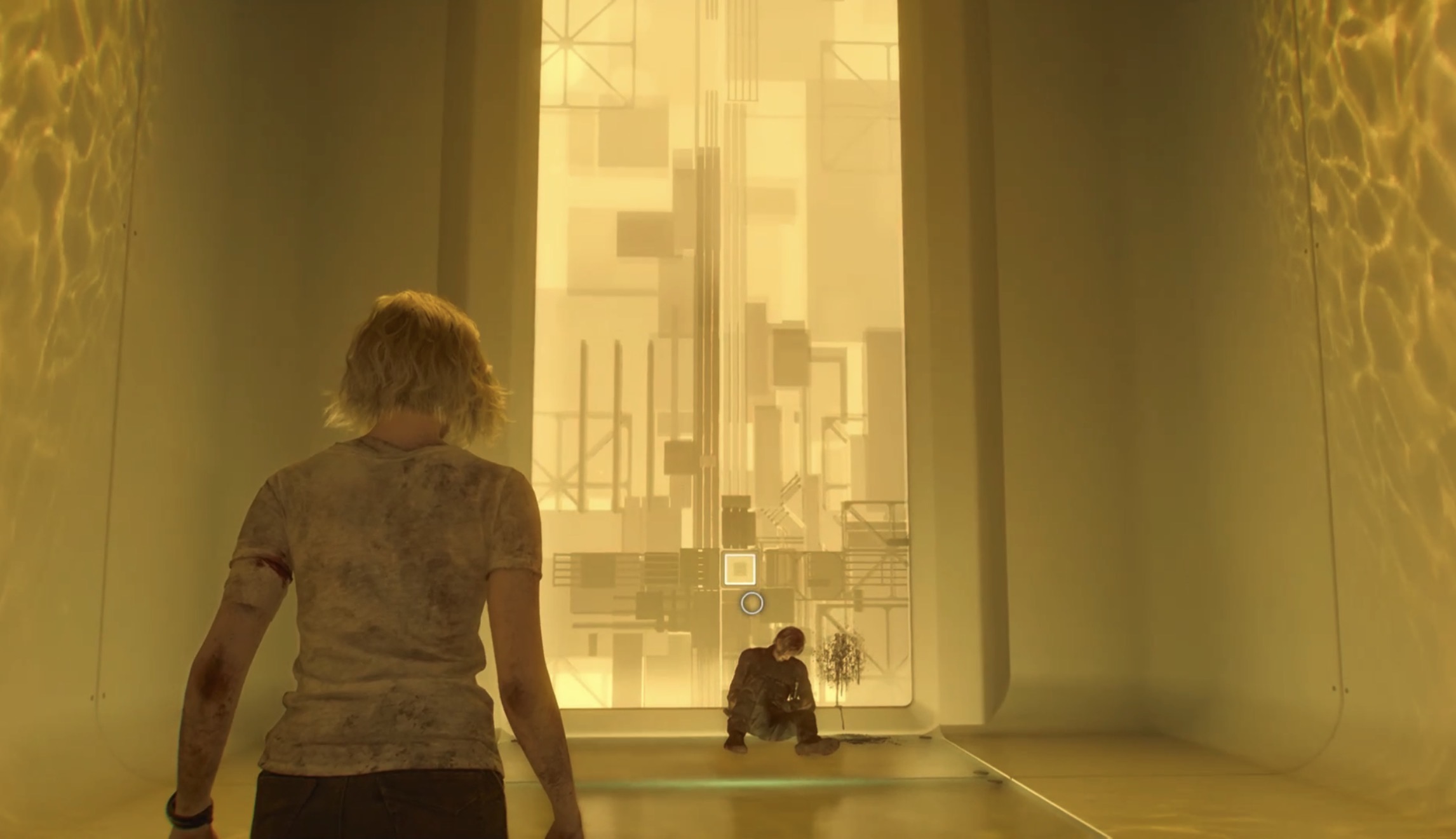
From escaping a medical facility to navigating deeper into research labs, her gameplay revolves around puzzles, exploration, item management, and carefully measured encounters. The game constantly nudges you toward restraint.
Even seasoned players will hesitate before pushing forward in playing Grace. The game makes you think something might be there—but not always. Requiem’s overall lighting is top-notch and mean. The flashlight is very useful but doesn’t comfort; it exposes just enough to make you uneasy. Those are the moments that will cause adrenaline spikes because of the buildup and not the explosions. To put it in perspective, my 47-year-old brother lasted eight minutes—cutscenes included—before handing back the controller and calling it quits.
The return of the action hero
Leon’s part in Requiem stands out as expected. He’s not the unshakable action hero anymore—because here, he’s infected. Apologies for the spoiler. His performance dips late in the game—the screen becomes a blur, the controller vibrates, his movement is sluggish. It’s giving out strong Solid Snake (Metal Gear Solid 4) vibes—an aging soldier still fighting gets the job done but is clearly past his prime. His sections lean more into the James Cameron-like act, and this is where the game gets loose—gunfights, chases, cinematic set pieces. It’s loud, chaotic, and very intentional: a commercial break after Grace’s suffocating segments. And the motorbike chase? Easily one of the best action sequences in recent memory.
Revisiting Raccoon City—or what’s left of it
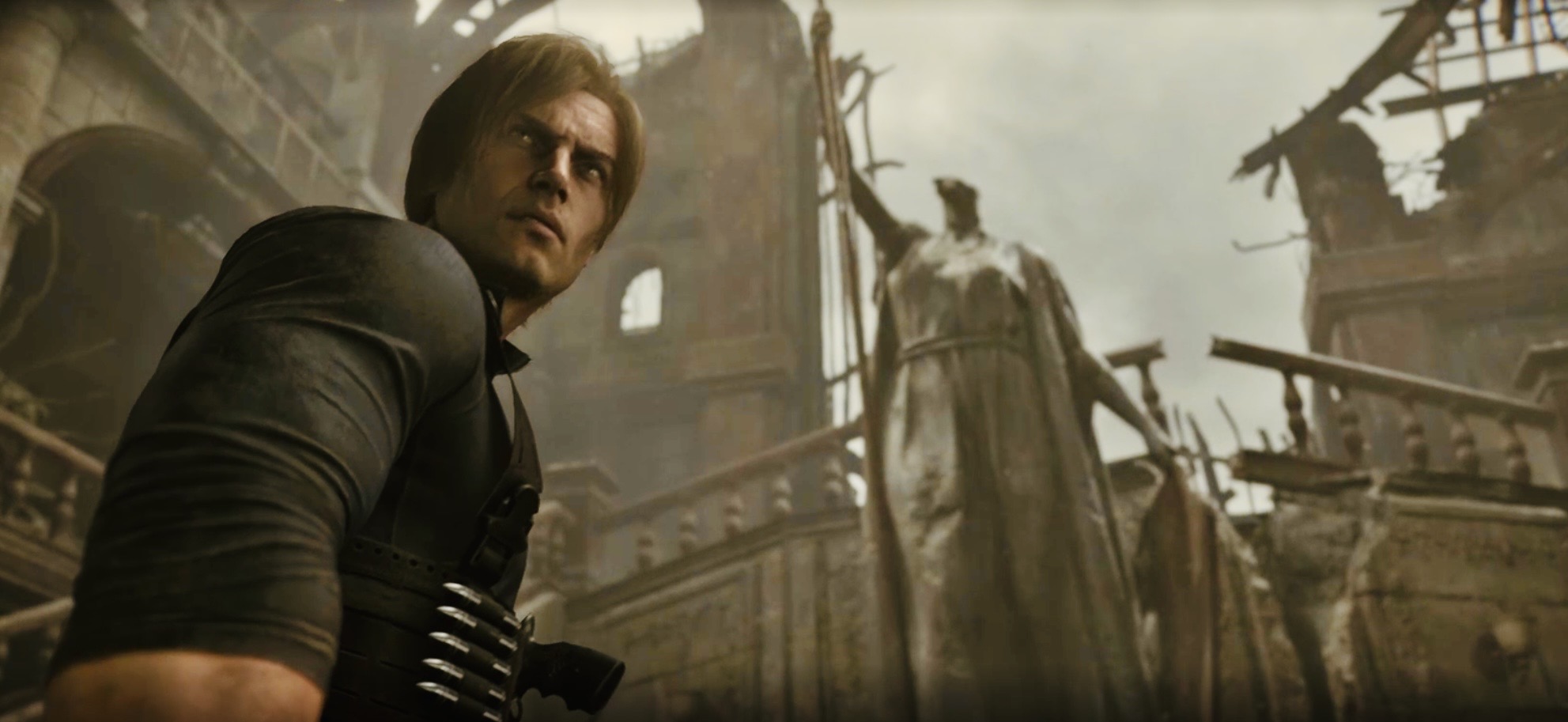
After the government decided to erase Racoon City entirely, what remains is a hollow, broken landscape. It tips heavily into that The Last of Us-style desolation: collapsed structures, abandoned streets, and silence that feels staged.
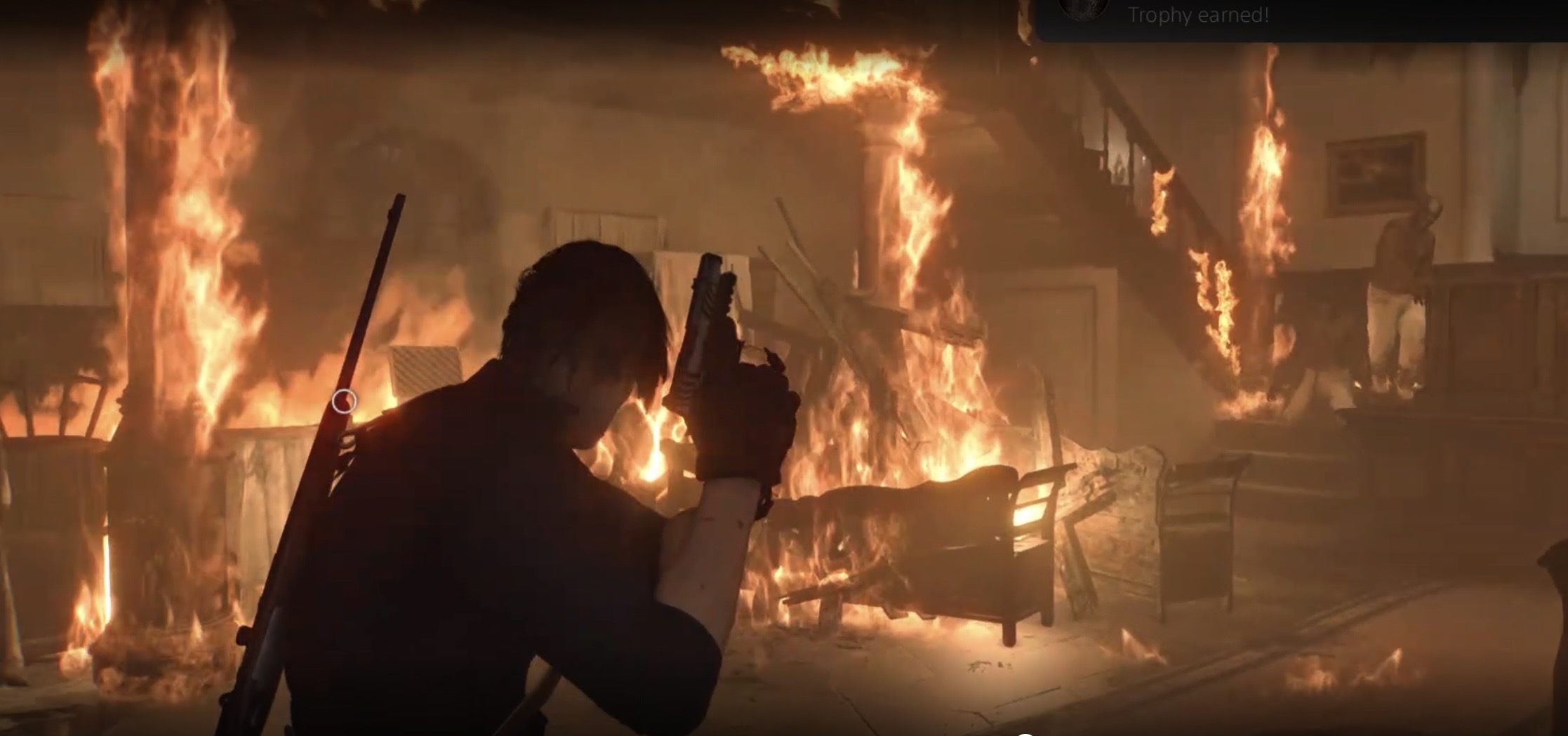
The zombies this time have so much character. Still not intelligent—but disturbingly patterned. Like fragments of their old lives are still looping. You’ll see one quietly doing household chores. Another flipping light on and off like it’s stuck in a routine. There are undead soldiers that behave like a broken unit—military instincts still firing, literally.
And then there’s the singing.
One of the most unsettling encounters in the game involves a female undead softly singing to itself in a huge lobby. Just a voice echoing down a hallway. It’s the kind of moment that makes you pause the game and hand the controller to whoever’s beside you.
The exceptional sound design here doesn’t just support the horror—it drives it. Every footstep, every water drop, every distant scrape, every breath feels real. The result is that the environment doesn’t surround; it closes in.
Monsters that refuse to stay dead
Combat isn’t as straightforward as it used to be. Sometimes putting a zombie down isn’t enough. They evolve, mutating into faster, more aggressive forms. Big-headed, twitchy, relentless freaks. The kind that turns a “cleared” area into a fresh problem.
Good that the stealth kills are still here in Requiem. It fits nicely—especially in Grace’s sections—where staying quiet and stretching your resources feels straight out of Columbus’ survival rulebook in Zombieland. Grace can fight, and she holds her own—but many situations reward avoidance over confrontation.
Then there’s Marie—“The Girl.”
A towering, grotesque presence that stalks Grace across multiple sections of the game. You can fight her. You can exploit her weakness—light. But more often than not, the smarter move is to run. Hide. Survive. As for Leon, Tyrant is back. But the real twist comes late in the game. An elite strike force—human enemies, fully armed and tactical, ala Call of Duty. Yes, not dead—a first for Leon in the series. And the encounters were vicious.
Final thoughts
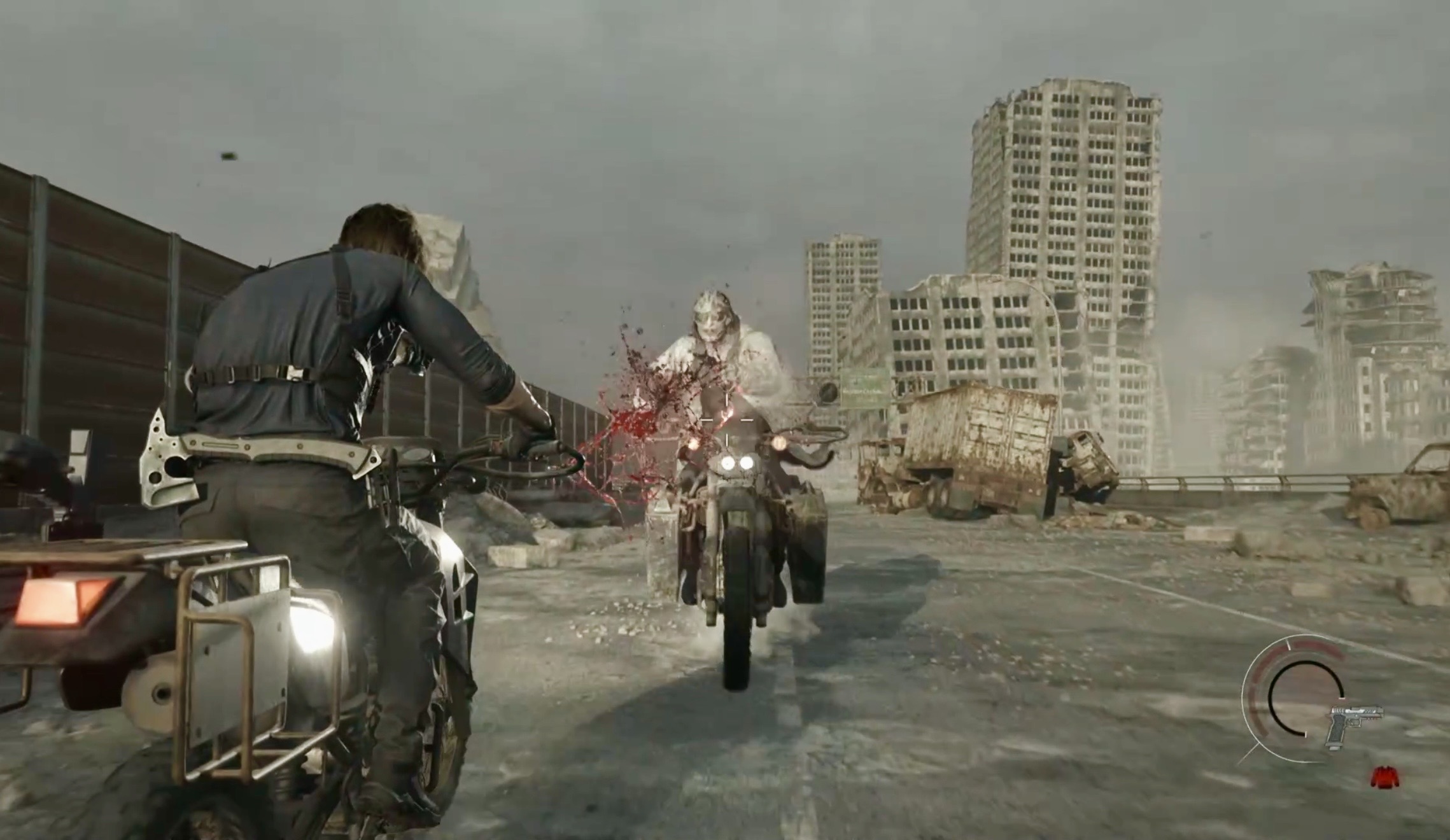
Visually, Requiem is sharp. Not flashy—sharp. The realism leans into texture and lighting more than spectacle. Graphics in Requiem don’t try to impress—they try to convince. From the opening scenes to the final moments, there’s a grounded visual tone that sticks all the way through. The audio design stands out just as much. It’s not there for decoration—it’s part of the experience. One of the strongest aspects of the game, easily.
Resident Evil: Requiem understands something many modern games forget; fear isn’t about endless monsters and jump scares—it’s about confinement. Atmosphere. Timing. It balances horror and action without letting either side overpower the other. Grace brings the dread. Leon brings the release. And together, they create a rhythm that keeps you hooked from start to finish.
It’s tense, loud, and dead quiet when it needs to be.
RATING: 5/5