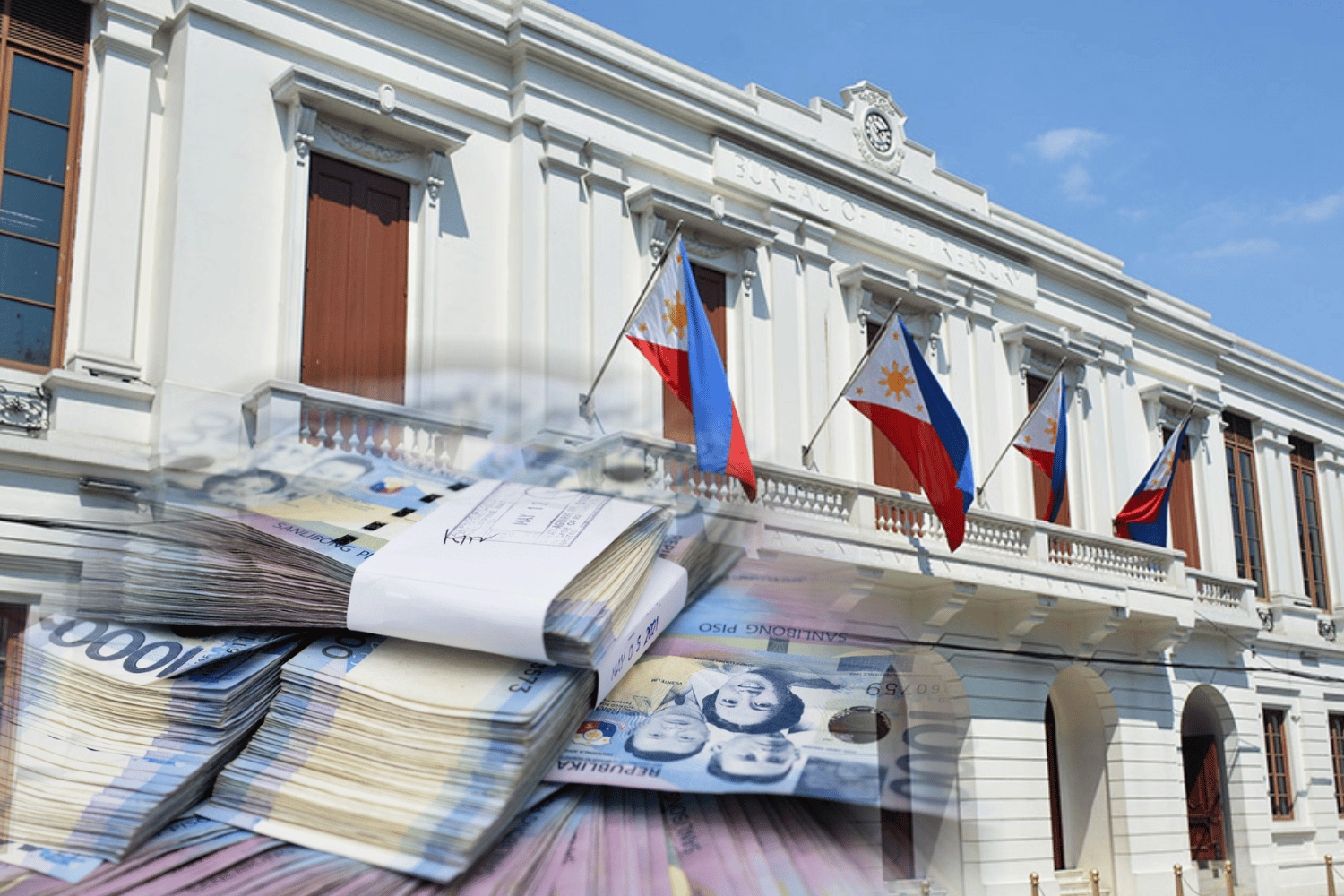
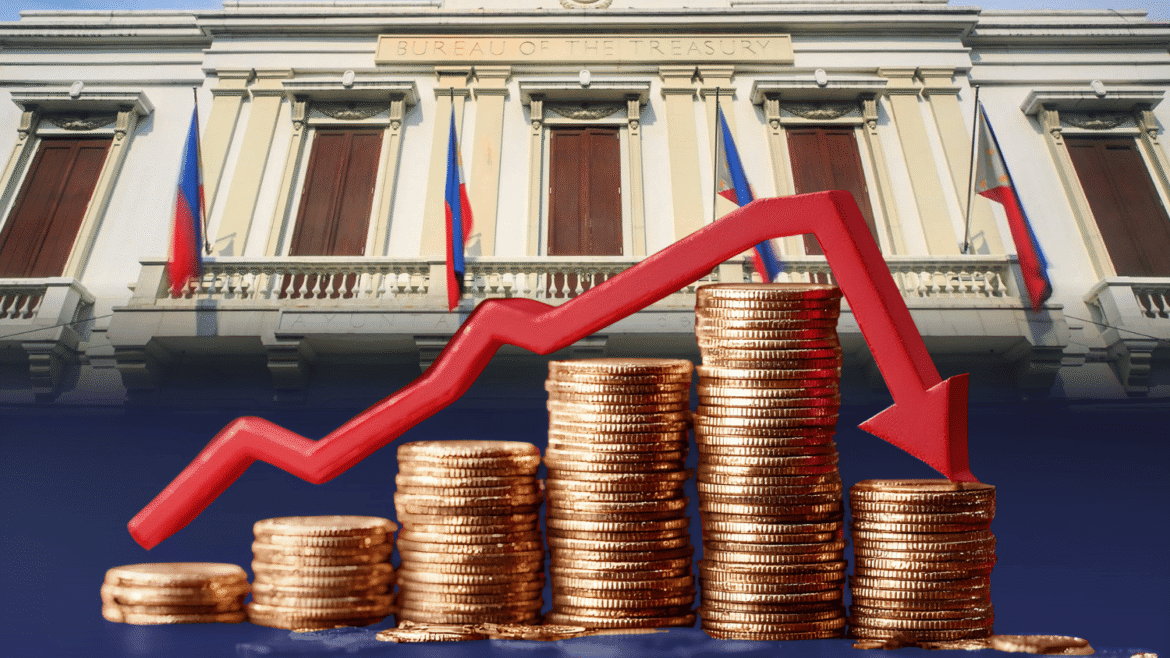
Rising government interest payments take up a larger share of the national budget, leaving less room for public spending.
Debt servicing costs continue to climb as the government spends more on interest obligations.
The government spent significantly more on debt payments in May, with interest expenses rising 20.9% to ₱84.6 billion from ₱70 billion a year earlier.
According to the Bureau of the Treasury, the increase was partly due to the timing of debt servicing and the impact of foreign exchange movements on the country’s foreign currency-denominated obligations.
The jump in interest payments came as overall government spending reached ₱600.2 billion in May, up 3.8% from the same month last year. Total expenditures for the first five months of 2026 climbed to ₱2.6 trillion, a 4.8% increase from a year earlier.
From January to May, the government paid ₱421.3 billion in interest alone, up 17.9% from the ₱357.4 billion recorded during the same period in 2025.
Despite the increase, primary expenditures—or spending excluding interest payments—still accounted for the bulk of government disbursements at ₱2.18 trillion during the first five months of the year.
Rising interest costs are closely watched because every peso used to service debt is money that cannot be spent elsewhere. As debt payments take up a larger portion of the budget, policymakers have less room to fund new infrastructure projects, expand public services, or roll out additional economic programs without increasing borrowing.