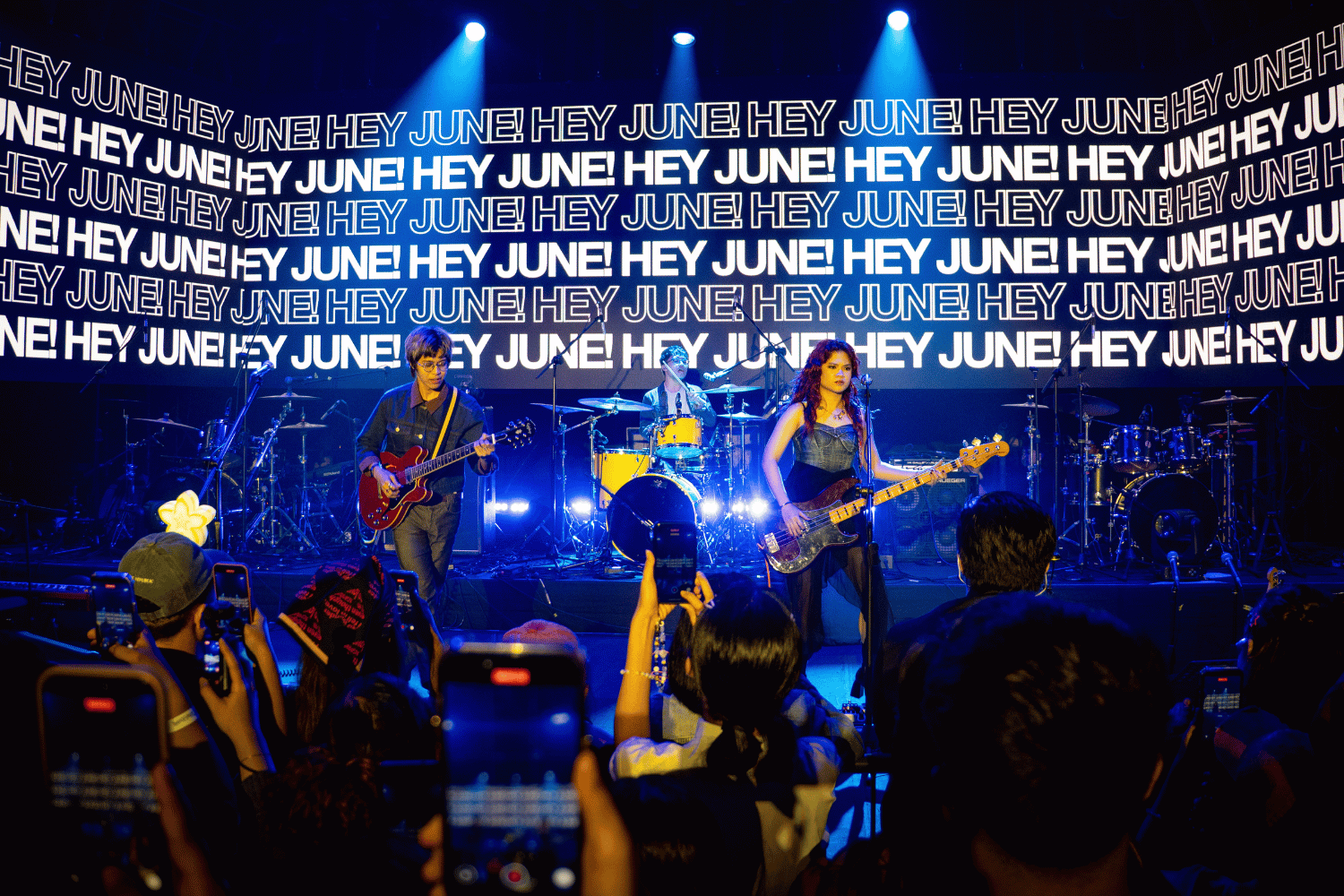
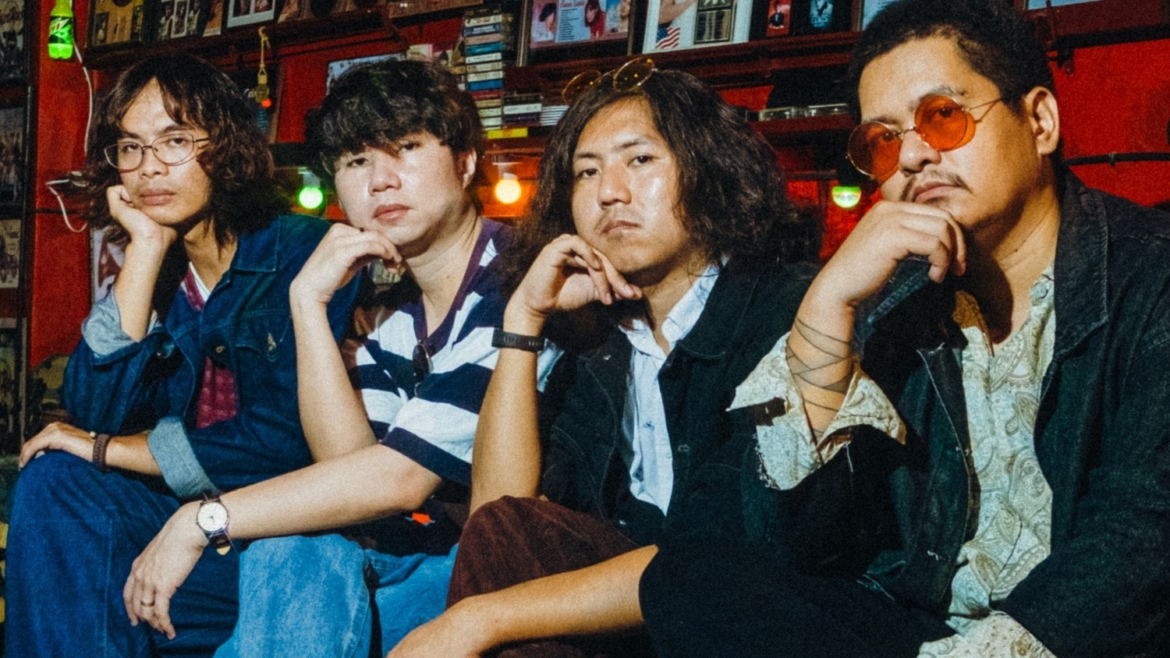
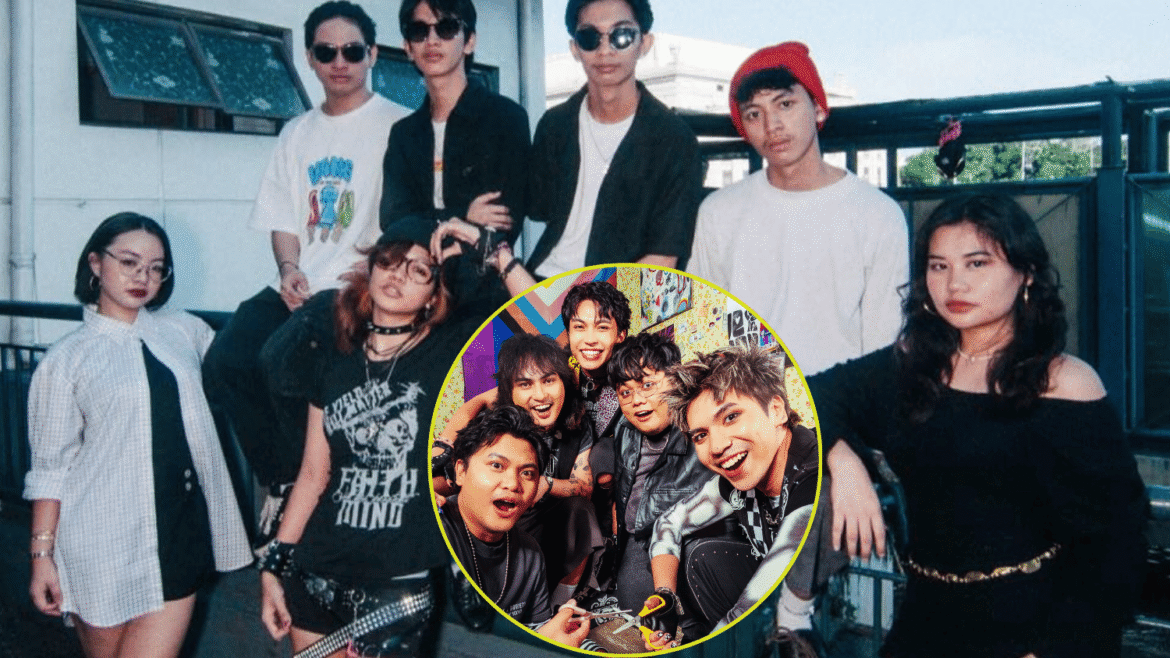
Backed by Soupstar yet rooted in authenticity, the band blurs lines between industry support and creative independence.
For decades, the word “indie” was easy to define. It simply meant independent—artists who produced and released their work outside major labels and commercial systems.
The same debate has long existed beyond music, with independent films questioning whether bigger budgets or studio partnerships automatically strip away an “indie” identity.
Today, however, that definition feels less certain. Streaming platforms have blurred the line between independent and mainstream, allowing artists to access wider audiences without changing their sound. At the same time, labels have begun investing in alternative acts that once thrived solely through grassroots communities. The result is a growing question across creative industries: Is indie still about who funds the art, or has it become about how the art is made?
HEY JUNE! sits at the center of that conversation.
A band born inside the industry
Unlike the familiar story of friends deciding to start a garage band, HEY JUNE! was assembled as a project. Jim Mase ( vocals, guitar, main songwriter), Coey Ballesteros (bass, backing vocals), and Aci Fodra (drums, backing vocals) were strangers before they were brought together, and it was only after discovering their chemistry that the project evolved into a permanent band under Soupstar Music (the same company managing MooStar88 and 6cyclemind).
On paper, that origin challenges the traditional image of an indie rock band. They were never independent in the business sense of the word.
Yet listeners rarely describe HEY JUNE! as “manufactured.” Instead, they are embraced within the alternative music community because of the sincerity found in their songwriting and performances. Their story suggests that audiences may now distinguish between corporate ownership and creative autonomy.
Indie is not a genre but an approach
One misconception is that indie refers to a particular sound. It does not. Indie artists exist in pop, folk, hip-hop, electronic music, R&B, and rock. What historically united them was independence from traditional industry structures.
That landscape has changed. Many artists now receive label support while retaining creative control over their music, visuals, and identity. Rather than erasing their “indie” status, these partnerships often provide the resources to amplify work that would otherwise remain niche.
Swipe or click arrows to see photos