It’s almost the end of the year, and for some people, it’s planner season again. Coffee shops are promoting their sticker or stamp cards again, and bookstores are starting to display their 2027 planners from almost every brand. Some of us might be browsing through our phone’s app store to find the perfect app.
The problem? Most of us cannot commit to it when life gets busy. Miss a week and empty planner spreads will feel like a drag, so eventually, we stop opening it. App notifications may be turned off once they start being annoying. Worse, we end up uninstalling the app.
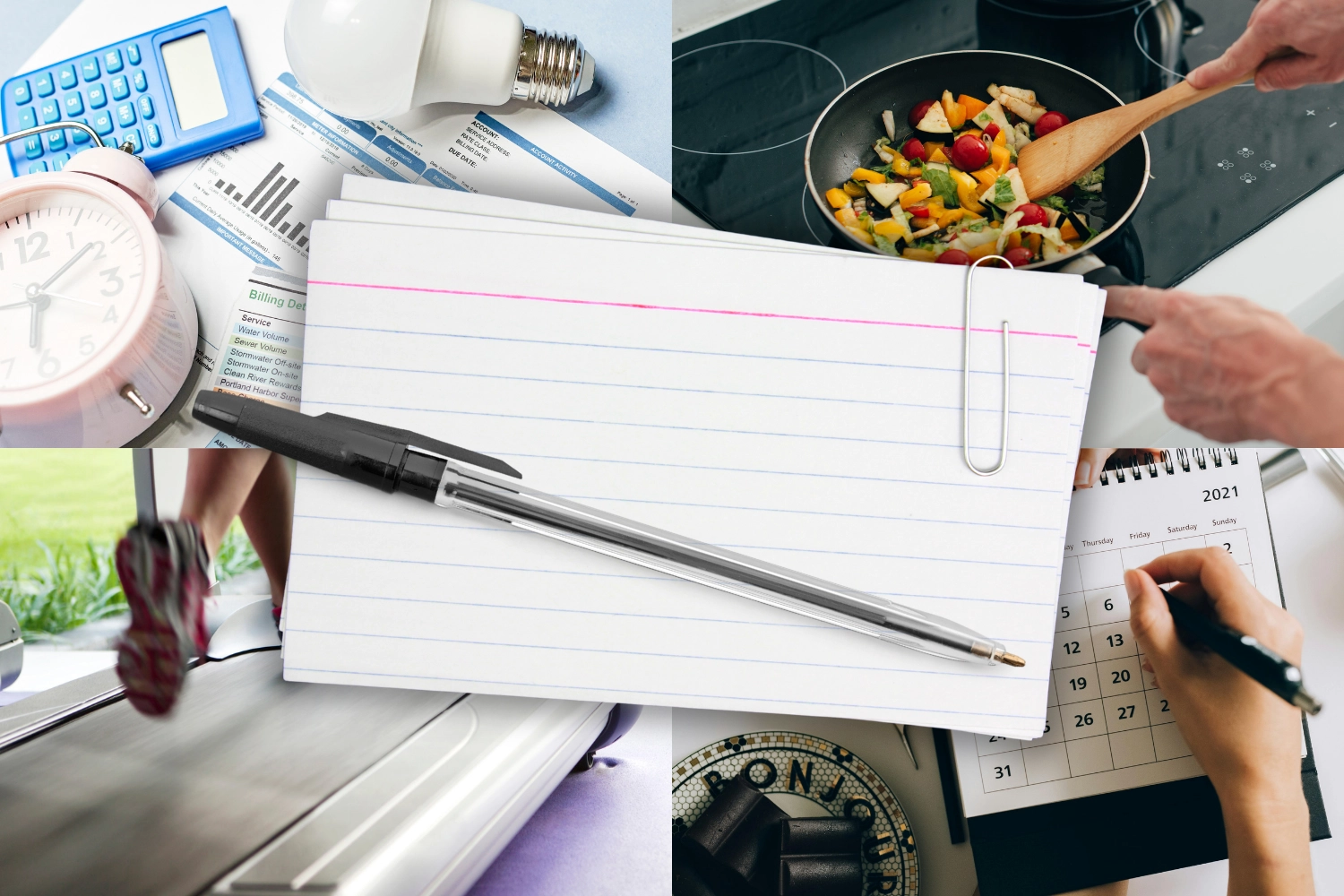
How about using an index card? It comes in different sizes, and a whole pack could cost less than the cups of coffee required to get that sticker or stamp. Take a card for each list or plan. Once it’s done, reuse the back part of the card for another batch of to-do lists.
Here’s how you can use index cards to get your life together.
Start with a daily card
Every morning or the night before, write the date at the top of the card and what you think needs to be accomplished for the day. Stick to whatever you have written on the front. If the list spills onto the back of the card, it means you have planned too much.
Cross things off as you go. At the end of your day, move anything unfinished to tomorrow’s card. Set a maximum number of times a task can be moved. For example, when the same task gets moved three days in a row, it’s probably too big to be done within the week. Break down the task into smaller ones.
Give recurring chores their own cards
For tasks that need to be done daily, weekly, monthly or a few times each year, give each one its own card.
File the cards behind dividers. The dividers should be numbered 1 to 31, plus one for each month. When each chore is done, write the date on the card and file it behind the next date when it’s due.
These cards are best used for chores you often forget, like defrosting the freezer, cleaning the AC, checking the LPG tank or even dusting the fans.
Plan a week of ulam on one card
Index cards work great for weekly meal planning too.
List the meals you’d want to have for each day. Flip the card over to write your shopping list and sort it by where each item will be bought. It puts the shopping list and meal plan together.
Keep the cards and compile them. Soon enough, you’ll have a stack of meal plans that worked for your household.
Keep bills and budgets
Each bill has a card of its own. Write the due date beside it and tick it off once it’s paid. Each card covers a month, and it will only take you seconds to check.
A weekly budget can also be sorted using a card. Write the amount at the top and subtract as you spend.
Tape routines where you can see them
A card can be taped to each area where a part of your routine should be done. Once you’re running on autopilot, you can take the card down. If you slip out of the routine again, put the card back up.
Keeping it steady
Resetting the practice once a week helps. Pick one evening when you can spread out the cards on the table. Throw away everything that has been accomplished and rewrite what needs to be sustained.
Keeping your life together doesn’t always need a fancy planner or device. Something as simple as index cards will only ask what needs to be done immediately and leave the rest of your days alone.