A look back at a childhood spent watching fish swim through the living room, waiting out week-long floods on the roof, and learning the quiet patience of starting over in Dagupan City.
Growing up in Dagupan, I learned early on that the city belongs to the water as much as it belongs to the people.
It wasn’t the capital of Pangasinan, but it felt like the center of everything. It was the place where the big buses from Manila dropped off most of their passengers, where the schools and universities were crowded with students from every neighboring town, and where the markets never seemed to sleep.
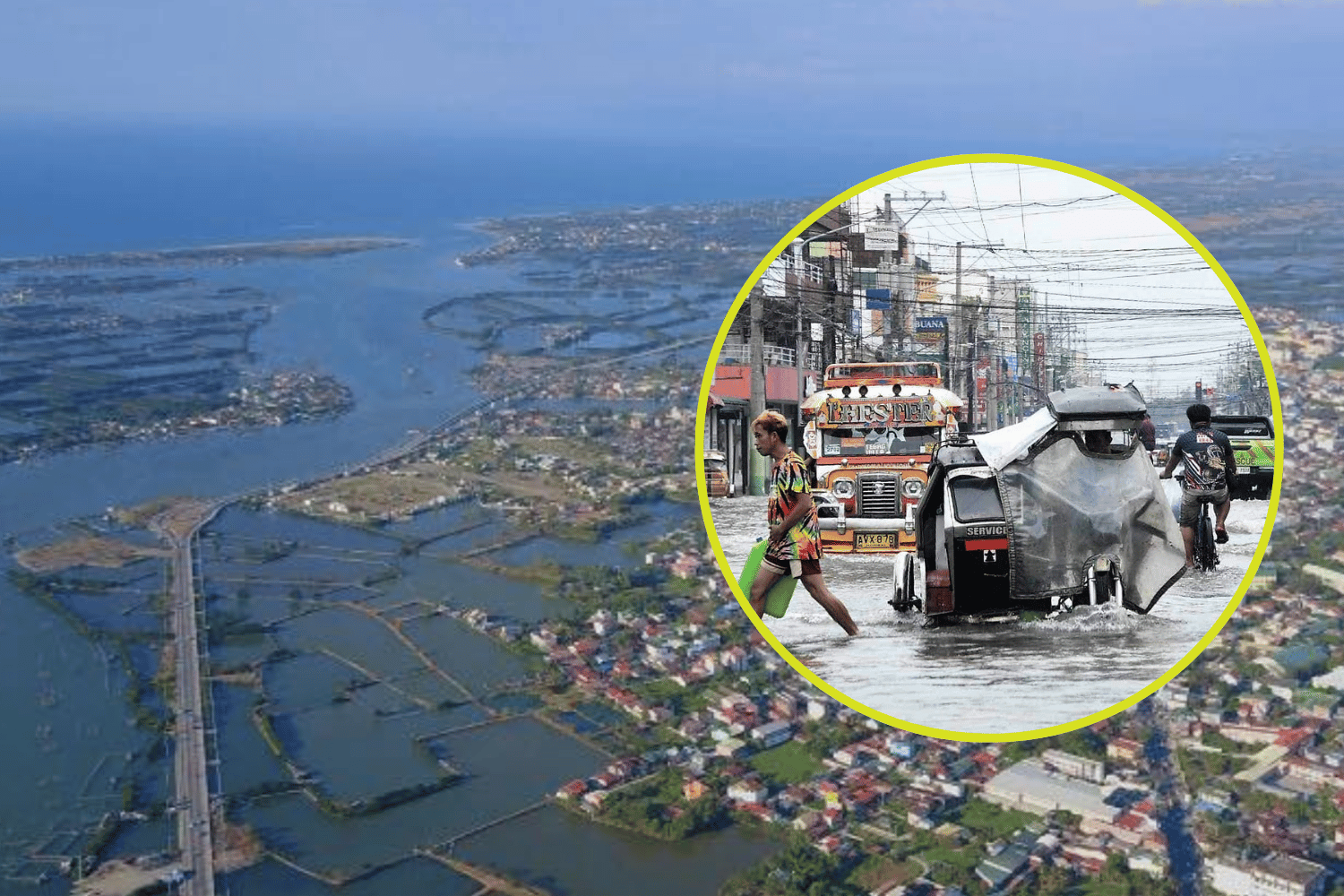
It’s a small, compact city—the kind of place where you can see almost everything just by hopping on a jeepney. It looks like it has kept up with time and change, but life in this city was ultimately shaped by being surrounded by water.
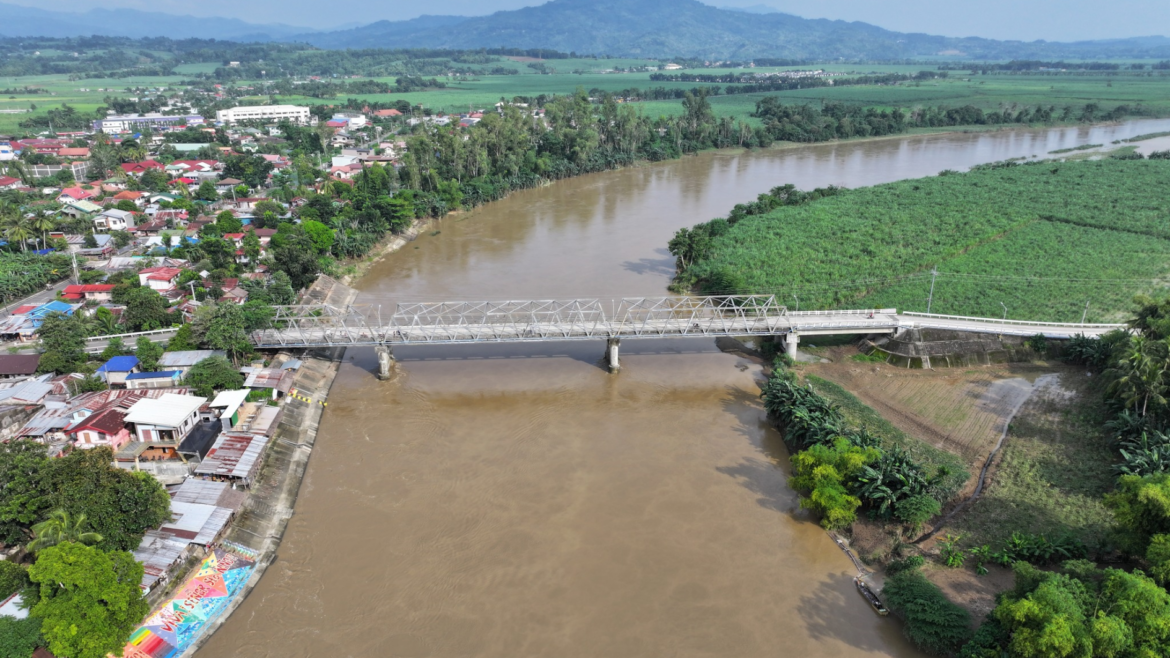
It was everywhere: the sea, the rivers, and the vast networks that sustained the city’s fishing industry. The Pantal River sits right in the heart of Dagupan City, and the smaller barangays are also surrounded by water. Places like Barangay Pugaro and Salapingao can only be reached by boat. Because the water was always such a present neighbor, we lived in a constant state of trying to outrun it.
I remember the city roads were always under development, always being raised higher and higher to stay above the unwelcomed element of nature. Eventually, the buildings in Downtown and some of the homes in the neighborhood began to adapt, but the ground floor of most homes sat below the level of the newly cemented roads until much later, ours included.
When the heavy rains started, we’d brace ourselves for whatever would come. The biggest impact came when the dams up north released days of accumulated water. Classes would be cancelled, and hearing the news, I just knew what was coming. For my dad, the announcement of the flood was his signal to drive our Kia Ceres—our main source of living at the time—to higher ground before the roads became impassable. Back at the house, my mom would ask me to call my titos to help us with the lifting. Everything on the ground floor had to be moved upstairs. It only took a few hours before the water slowly crept into our house.
The water was fun until it was just two steps away from reaching the second floor of our house. Our living room would literally turn into an aquarium. I’d sit on the stairs and watch little fish swim past the legs of the dining table, darting over the concrete barrier between our living and dining room. Our balcony became a makeshift kitchen, where we would shout conversations across to our relatives, who were also stranded on the second floor of their homes.
This was how I learned to entertain myself and value the peace of solitude. I would climb up to the roof in front of my room and lie there for hours, playing bato-bato-pik with my cousin whose house was right across from ours. I tried making paper boats to watch them float on the water. There was nothing else to do, as we were stuck up there for almost a week.
Years later, long after multiple floodwaters had breached our house once or twice a year, the physical reminders of those days stayed behind. Dark water-stain marks were permanently left on our built-in wooden furniture. Every few years, my dad would patiently repaint them clean, brushing over the stains to give us a fresh slate, even if we all still knew what sat beneath the layers of white paint.
Though I haven’t experienced this in more than a decade, looking back, I realize we didn’t just survive the floods; we learned to read the water and live alongside it. It was a childhood of understanding the weather, of patience in the waiting, and of learning how to begin again, one flood at a time.