The devastating reality of making the final medical decision for the woman that raised my mother.
The heart can only take so many hits before it numbs out.
In 2019, my world didn’t just crack; it completely fell apart. Only a month before, my mom had died. The grief was so fresh it felt like a weight in my chest. We hadn’t even figured out how to live in the silence she left behind when the second blow hit.
My grandmother’s health failed completely.
To everyone else, she was my maternal grandmother’s older sister. But to us, she meant so much more. She stepped in as my mom’s foster parent, raising her as her own. She had been a widow since 2003 and was fiercely independent. She insisted on living alone, but when she collapsed, we found out why she had kept us at a distance: she had breast cancer. She had hidden it for years, never seeing a doctor, and only taking herbal medicines until it got worse.
But when my mom died, I think it broke her spirit. No parent should ever have to bury their child, even one they chose to raise. My mom was the only child she ever had. Sure, they fought—loudly at times—but it was only because they cared so much that it hurt.
Since I spent the last month trying to be the strong one, the “adult” keeping everyone together, I was left to make a painful choice. It was up to me to decide: do we keep paying to keep her body alive with machines, or do we let her go?
I looked at her and saw the same unspoken pain I had seen in my mother. I chose to let her go.
Before I did, I asked the doctors and nurses. Is there even a one percent chance I could be wrong? They didn’t answer. They just looked at me with pity and patted my shoulder. That was my answer.
I thought the hardest part would be signing the forms. I thought I’d just sign a paper, a doctor would flip a switch, and it would be over. But the nurse looked at me and said no. He explained that I had to be the one to do it. I had to pull out the tubes and turn off the machine. I panicked. I didn’t know how any of this worked. I was just a grieving granddaughter standing in the corner of the room.
The nurse stood by me and guided me through it, step by step. I took the deepest breath I could and did what he told me to do.
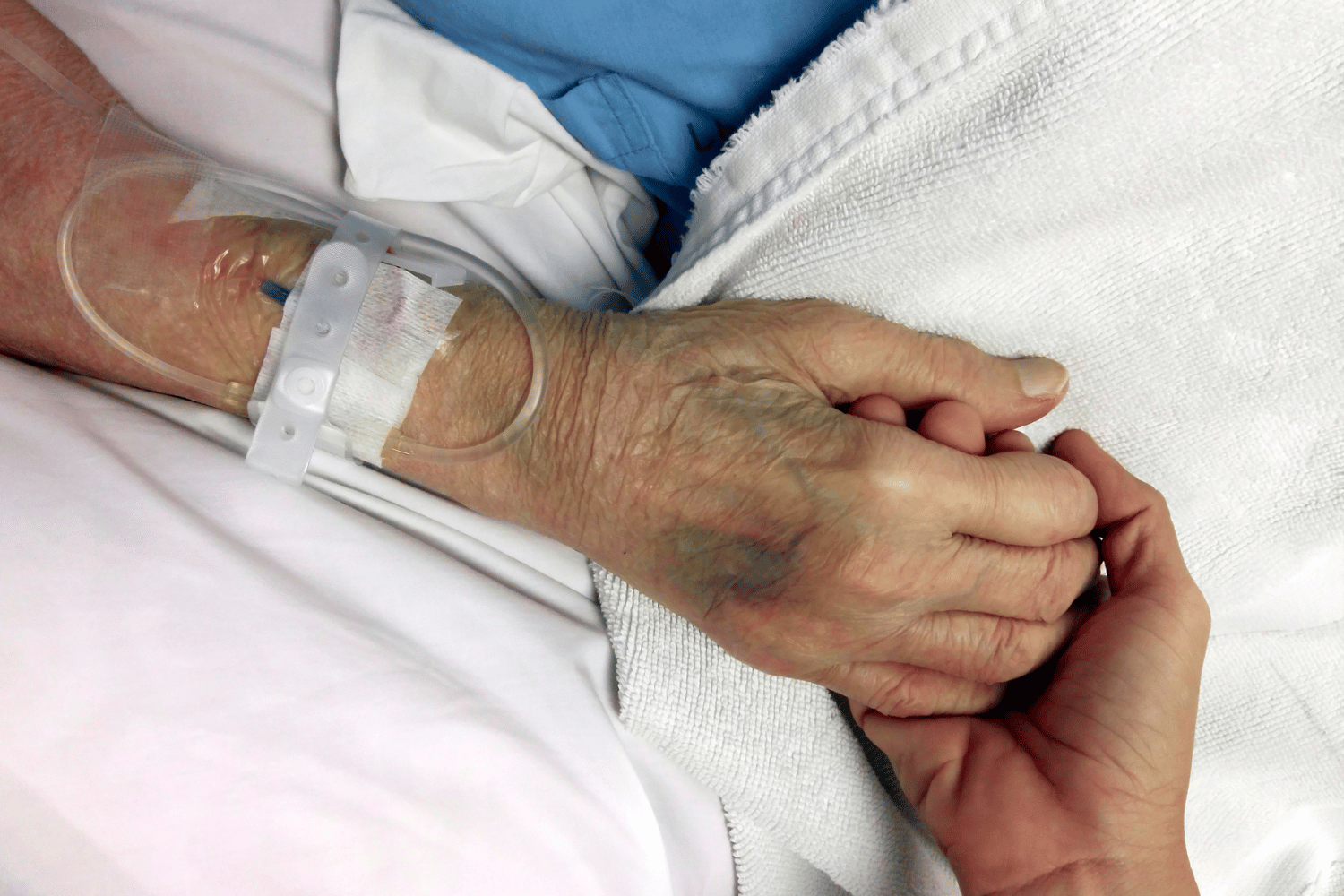
Nothing prepares you for the sound. The moment the machine stopped, she gasped. Loud, awful, desperate gasps for air rattled through the room. I held her hand, terrified but firm, until the gasping stopped, and the room went silent.
2019 changed me in ways I still can’t fully express. Losing both of them so quickly taught me how fragile our time together really is. We live like we have forever, letting petty arguments or busy schedules get in the way. But standing in that room, I realized you never know which conversation will be your last. I didn’t end her life; I just held her hand and let her go.