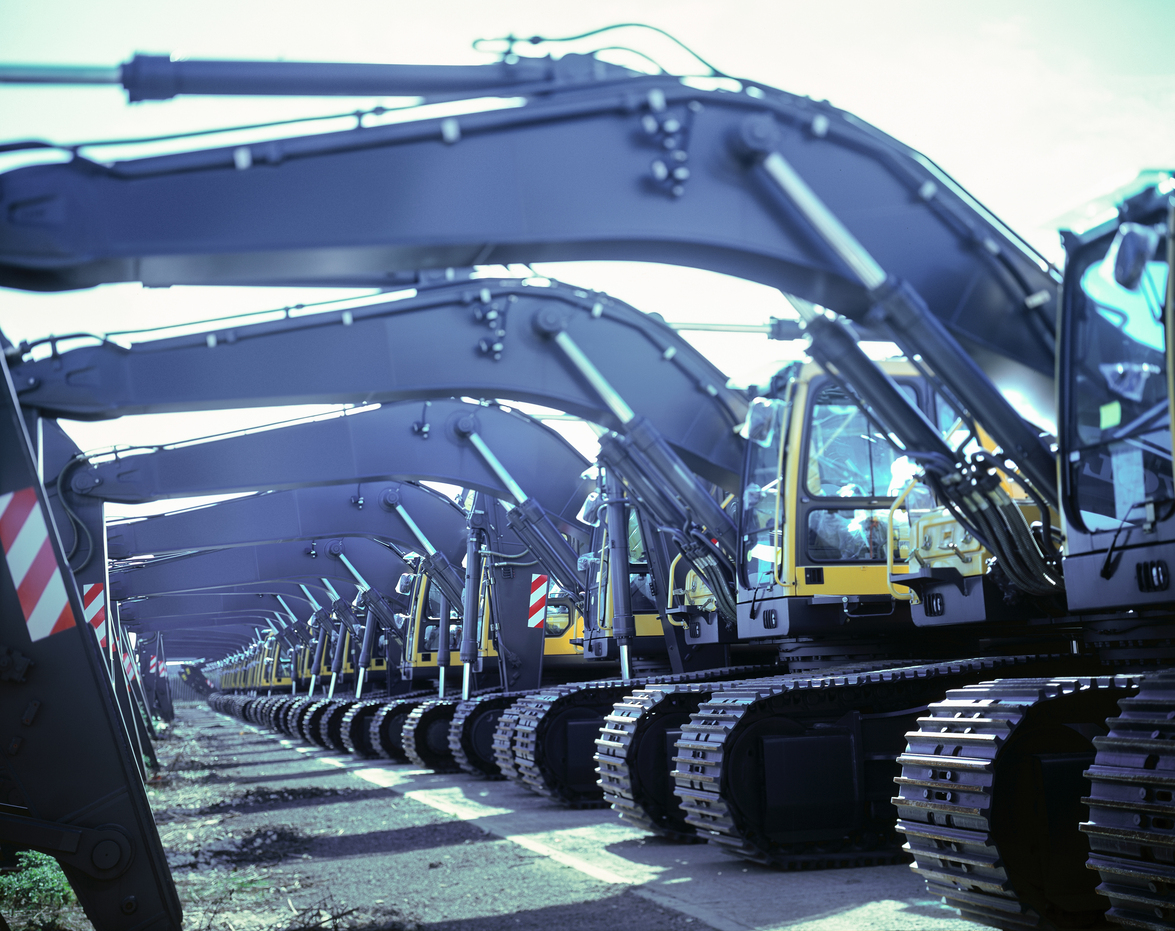
Imports of capital goods, including specialized machinery and transport equipment, reached $4.15 billion in February, accounting for a major share of the country's total imports. This influx of foreign equipment is critical for sustaining industrial growth and modernizing the nation’s infrastructure, even as it continues to skew the balance of trade toward a deficit.
Why the Philippines’ $11B import keeps the trade gap wide, the lowest since November 2025.
Imports stay elevated, keeping pressure on the Philippines’ trade balance
Import levels remained high in February, continuing to weigh on the country’s trade position even as monthly figures showed some easing from recent peaks.
Imports reached $11.01 billion, up 12.6% from $9.78 billion a year earlier, according to the Philippine Statistics Authority (PSA). Despite the increase, this was the lowest monthly import level since November last year, pointing to some moderation in recent months.
For the first two months of the year, total imports stood at $22.43 billion, rising 5.3% from $21.31 billion in the same period last year, reflecting sustained demand for foreign goods and inputs.
On the export side, the Philippines continued to rely on a small group of key markets. The United States remained the top destination at $1.41 billion or 19.3% share, followed by Hong Kong at $1.17 billion (16.0%), Japan at $986.44 million (13.5%), China at $663.71 million (9.1%), and the Netherlands at $328.00 million (4.5%).
While imports showed slight month-on-month easing, they continue to outpace export gains, keeping the trade gap under pressure and highlighting the country’s dependence on external supply.
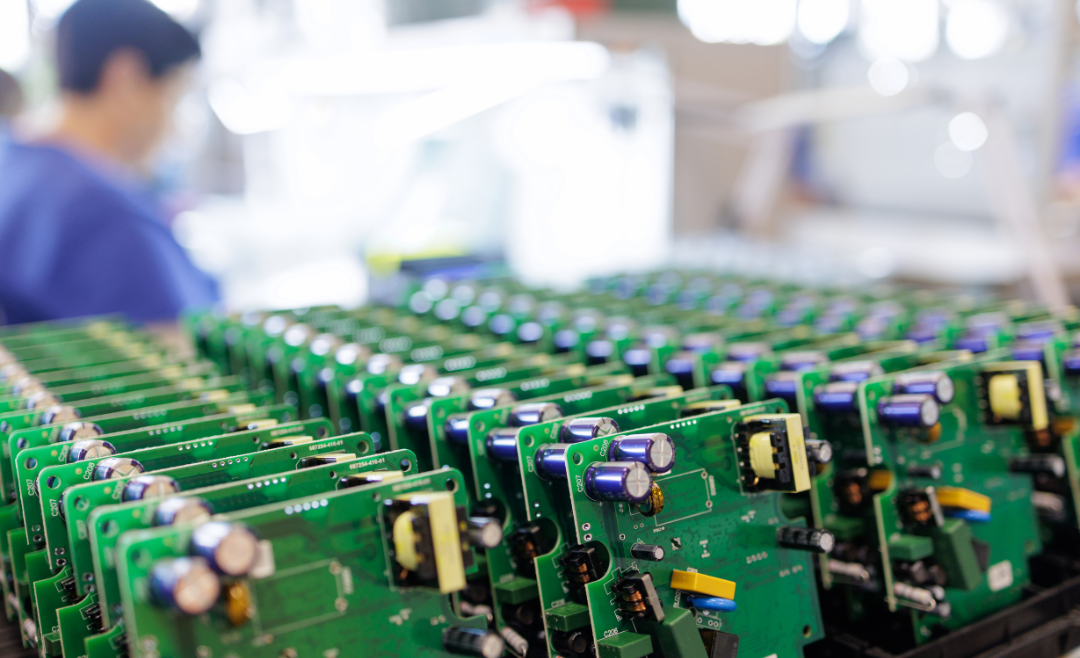
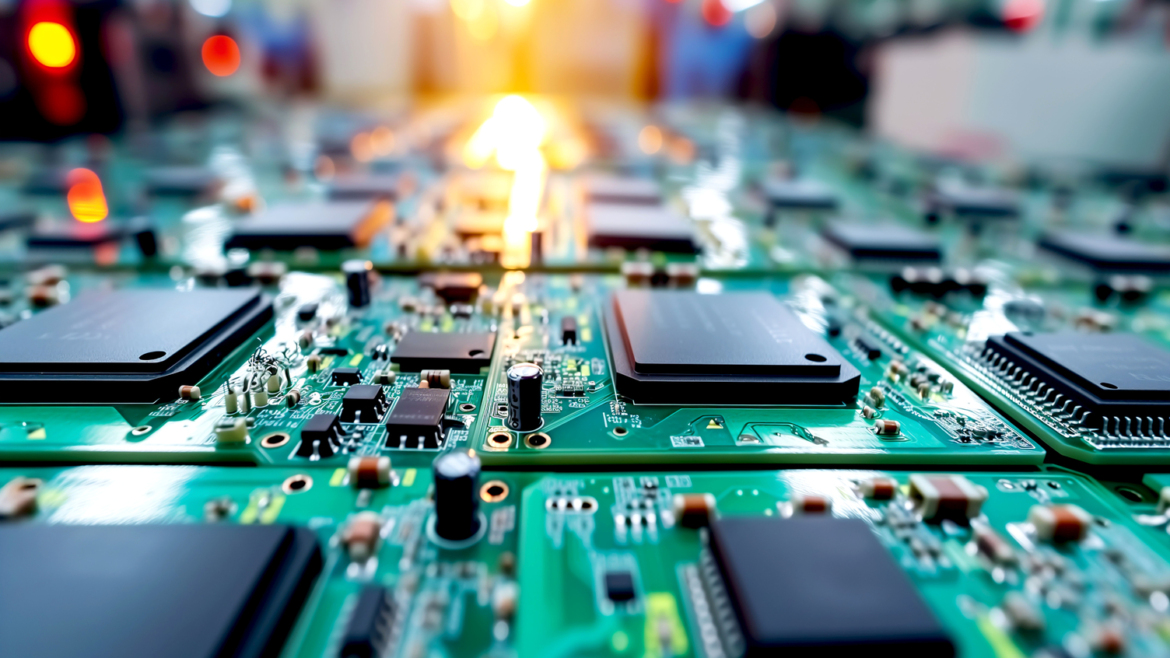
Imports hit a four-month low in February at $11.01B, yet they still outpace exports by nearly $4B. Explore how the Philippines’ reliance on foreign electronics and capital goods is shaping the 2026 trade outlook.





SEC moves to bring corporate filings fully online