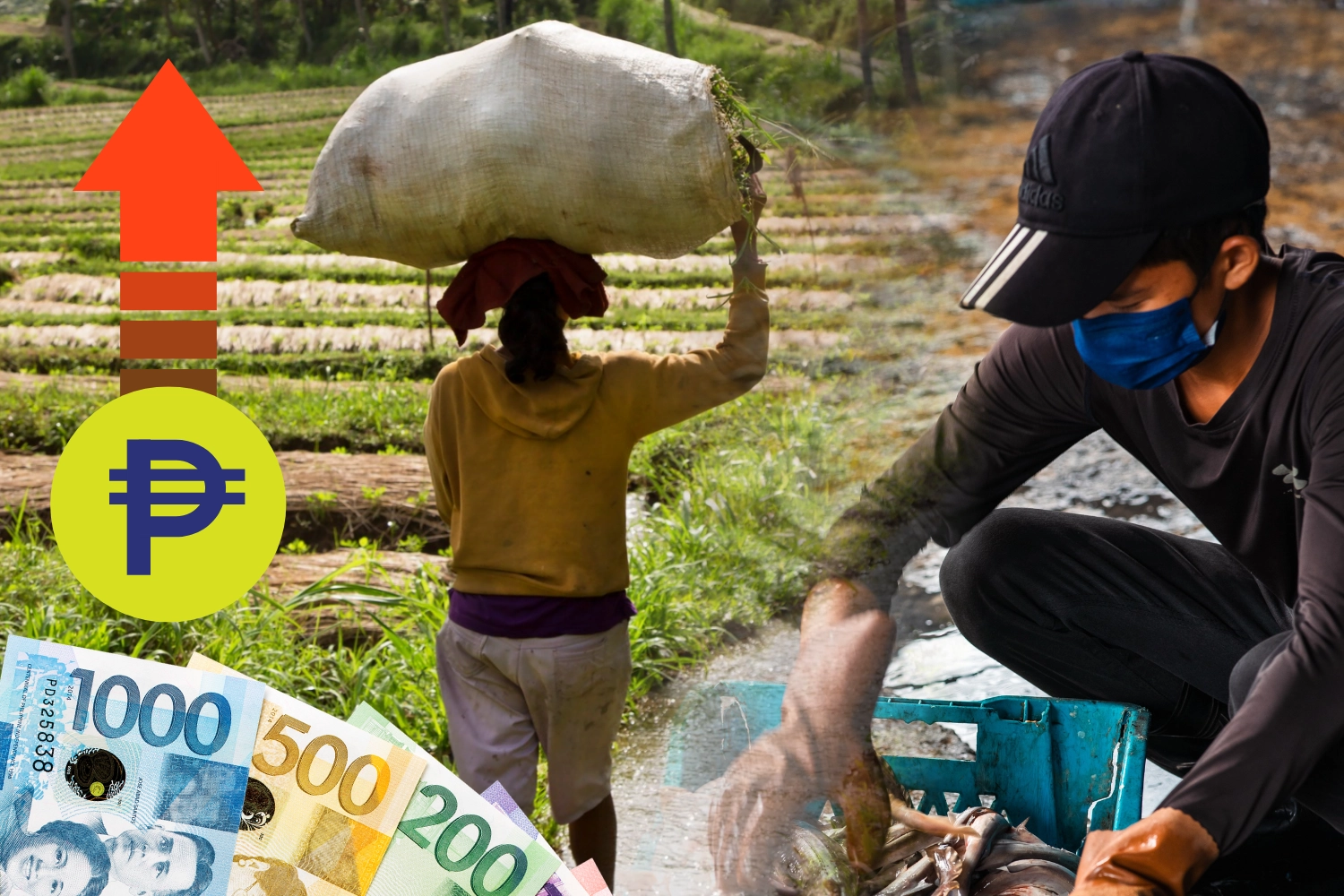
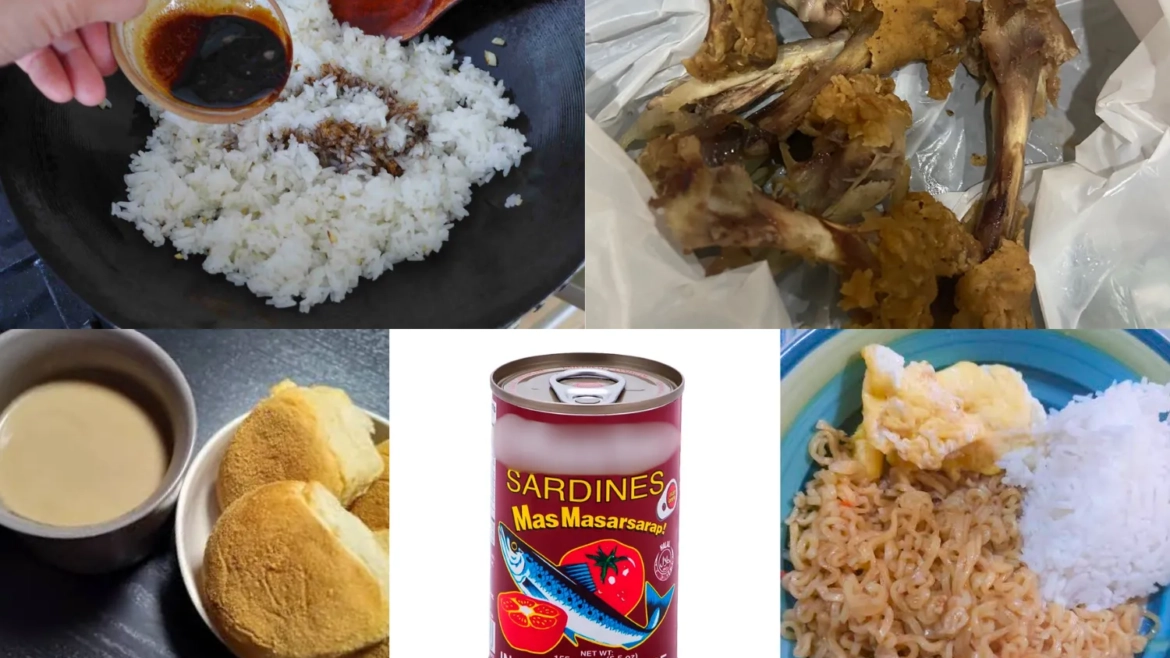
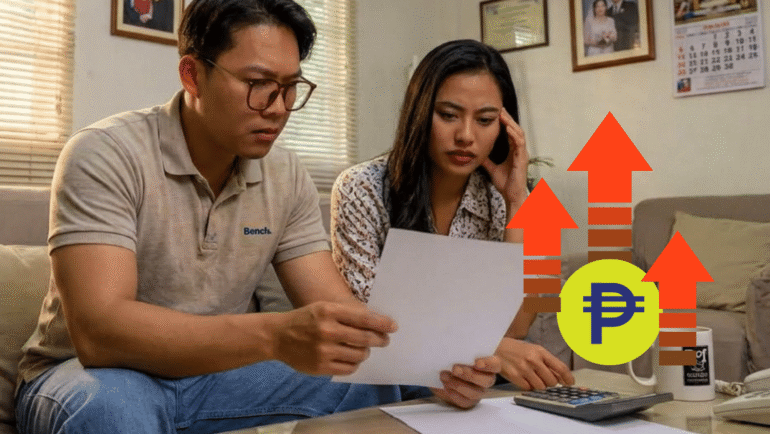
A paycheck that once lasted until the end of the month can now run out weeks earlier, with much of it going toward groceries, transportation, electricity, and other unavoidable expenses.
The squeeze starts with everyday routines, as commuters spend more on fares, motorists pay more to fill their tanks, and families find that the same amount of money buys fewer items at the grocery store.
The Philippine Statistics Authority (PSA) reported that headline inflation reached 7.8% in October 2026, up from 7.2% in September and 1.7% a year earlier, while inflation among the bottom 30% of income households climbed to 9.5%.
Transportation recorded a 20.1% annual increase in prices, while housing, water, electricity, gas, and other fuels rose by 9.3%, adding pressure to expenses that already account for a significant share of household budgets.
The government approved higher public transport fares in September, raising the minimum jeepney fare to ₱14 from ₱13 for traditional units and to ₱17 from ₱15 for modern jeepneys, as operators struggled with rising fuel costs.
Drivers also face higher diesel prices, leaving them with less of their daily earnings after paying for fuel. Commuters, meanwhile, must set aside more of their income just to get to work.
Business feel the brunt, too
The pressure extends to small businesses, which must contend with higher electricity bills, rent, raw material costs, and weaker consumer spending as customers become more selective about what they buy.
Many have already closed their doors, including businesses that had been around for decades, citing mounting expenses and declining sales. Other business owners have resorted to cutting staff and borrowing money to keep their establishments running.
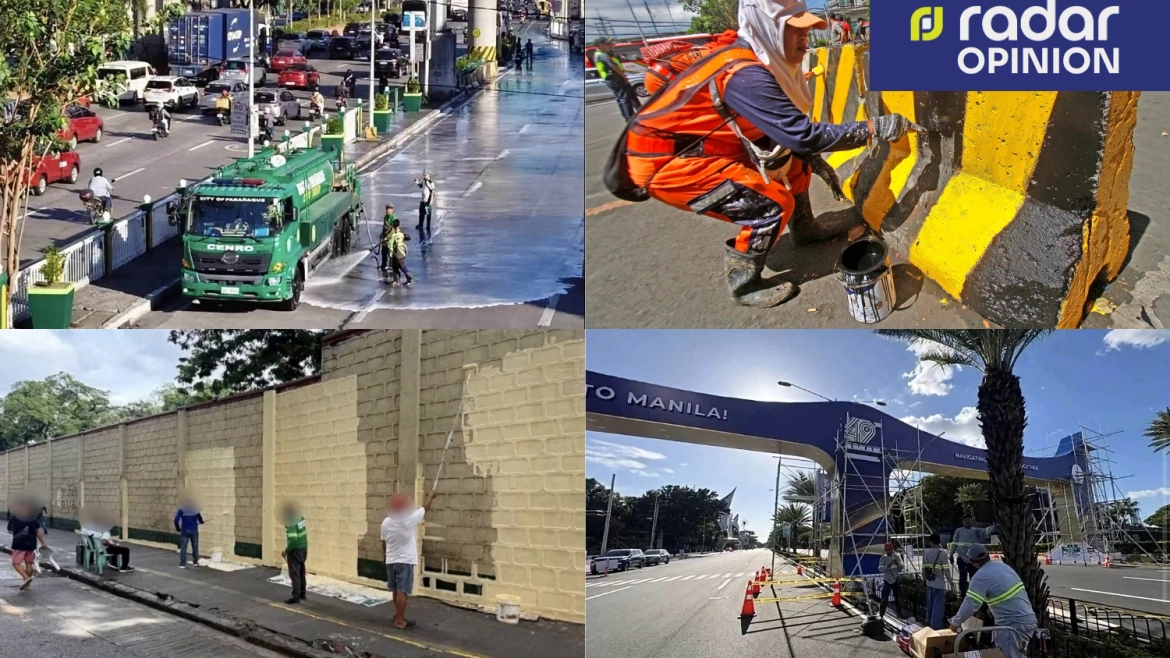
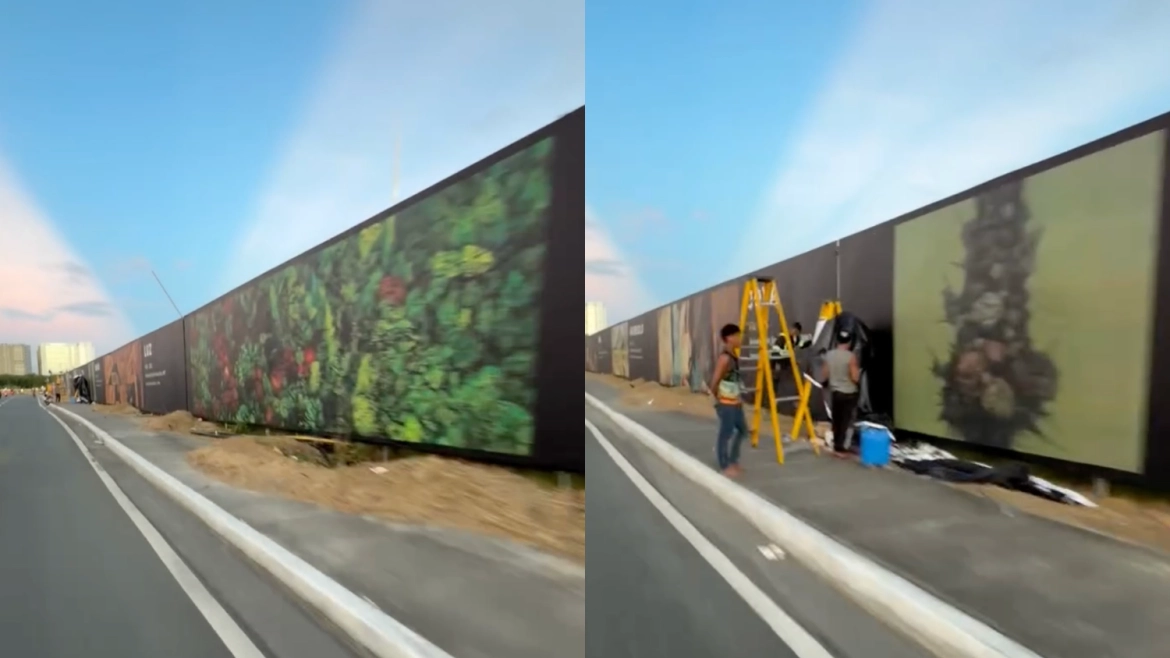
These struggles form an uneasy backdrop to the government’s preparations for the 49th Association of Southeast Asian Nations (ASEAN) Summit, which have included clearing operations, beautification projects, and traffic adjustments to present a more orderly Metro Manila to visiting dignitaries.
The Philippines has also allocated ₱22.9 billion for its 2026 ASEAN chairship, covering hundreds of meetings and related activities throughout the year, although Malacañang has clarified that the allocation does not mean the entire amount has already been spent.
Hosting regional leaders can create diplomatic and economic opportunities, but the temporary transformation of public spaces also raises questions about why similar improvements are difficult to sustain for residents.
Clean streets, manageable traffic, and orderly public spaces should be part of everyday governance, while struggling households and businesses deserve attention beyond the weeks when the country is under the international spotlight.
The delegates will eventually leave, but Filipinos will still have to contend with the cost of commuting, putting food on the table, keeping businesses open, and stretching their income until the next payday.