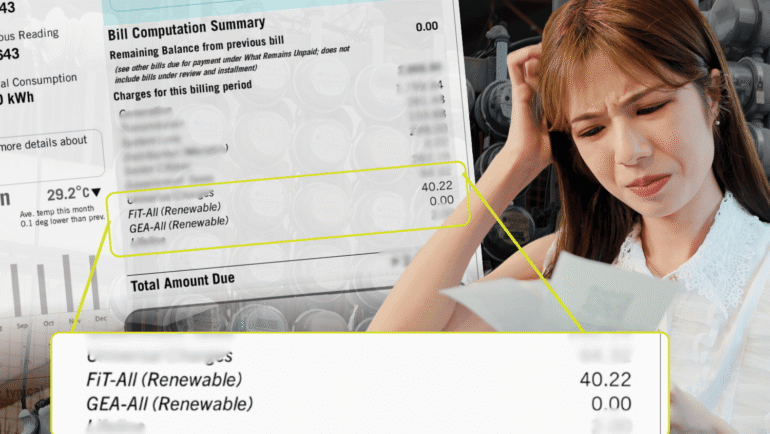
Digital banking transactions in the Philippines face new fee structures.
The Bangko Sentral ng Pilipinas (BSP) officially ended a five-year-old moratorium (freeze) on InstaPay and PESONet transaction fee increases through Memorandum No. M-2026-025 this week.
The announcement sparked a digital firestorm of backlash, as expected. The response on local subreddits and X was swift and extremely bitter: how can the government push hard for a “cashless society” while allowing financial institutions to put new digital tolls on the flow of our own money?
Netizens have every right to protect their wallets. The Philippines is an outlier globally compared to regional neighbors like Malaysia (DuitNow) or Thailand (PromptPay) where micro-transactions are nearly free. The additional ₱10 to ₱30 for everyday digital transfers appears not as a convenience but a financial penalty.
Current InstaPay and PESONet transaction fees
For real-time InstaPay transfers up to ₱50,000, transaction fees generally range from ₱8.00 to ₱25.00, though premium channels can cost up to ₱50.00. Meanwhile, same-day PESONet fees for individual retail users remain lower at a flat ₱10.00 to ₱20.00 per transaction. However, the institutional pricing for corporate PESONet batch executions spikes significantly, ranging from ₱50.00 to ₱500.00 depending on value and clearing complexity.
The transition to cost accountability
But a look under the hood at the structural changes shows the central bank is not throwing consumers to the wolves. Instead, it’s making a very strategic move from lazy price controls to aggressive cost accountability.
The blanket moratorium passed in 2021 during the COVID-19 pandemic was an emergency buffer, not a permanent solution. Digital transaction volumes have exploded over the past five years, placing heavy backend overheads on payment providers, including advanced cybersecurity, interbank routing, and strict anti-money laundering compliance filters.
But the freeze kept banks from adjusting for infrastructure costs, and BSP Circular No. 1238 is not a blank check for absolute bank hikes. Lenders can’t create numbers out of nothing. There is tight cost auditing by the central bank, and the exact IT costs must be empirically proven to justify any changes. Any fees not corresponding to the actual maintenance will be nullified.
Protection for the average consumer
To protect everyday spenders, targeted regulatory guardrails have been built directly into the new framework. Under the “Zero-Fee” Merchant Shield, banks are legally barred from levying transaction charges on small and micro-merchants earning under ₱250,000 monthly, protecting independent sellers and neighborhood sari-sari stores.
Additionally, the full principal mandate strictly guarantees that recipients of person-to-person (P2P) transfers will receive the exact full amount sent, entirely free of hidden backend processing fees or deduction surprises.
What we can still do
Lifting the freeze on transactions forces local banks into active market competition. While the regulatory framework is set, the public must hold institutions accountable to the standard set by Finance Secretary Frederick Go, who is fighting to compress interbank transfer costs down to a lean ₱2 to ₱5 range.
To achieve this, the BSP must audit bank filings, dismantle non-competitive agreements, and lower backend network fees. True financial inclusion cannot flourish when electronic transactions are treated as luxuries; banks must build transparent networks where moving money costs a fraction of a peso, not a meal.
READ:
Are your deposits actually safe with digital banks?
Walter C. Villa
June 5, 2026

Smaller banks may offer more benefits than larger institutions, says finance content creator
John Lloyd Aleta
June 5, 2026

MariBank trims free transfers
Kiara Gorrospe
May 27, 2026