
For Filipino theater to move beyond “passion projects,” it needs a structural shift that treats artists as workers and the stage as a sustainable workplace. Until then, “Endo” will linger, eased only by collective support and better management.
In the glimmering world of Philippine entertainment, Jasmine Curtis-Smith and Royce Cabrera are names synonymous with versatility.
Having navigated the landscapes of mainstream cinema, independent film, and television, both actors find themselves returning to a shared root: the stage.
Yet, their involvement in theater isn’t just about performance, but also about pushing the envelope for an industry that remains both passionately vibrant and economically precarious.
Mirroring the struggle: From ‘Endo’ to exodus
In their latest theatrical venture, Curtis-Smith and Cabrera step into the shoes of Tanya and Leo, two ordinary workers caught in the gears of a systemic labor issue: “Endo.”
Short for ‘end of contract,’ this practice stems from a loophole in the 1989 Herrera Law, allowing employers to hire workers for less than six months to avoid providing mandatory benefits and regularization.
Through Tanya and Leo, the actors reflect on the heartbreaking reality of the Filipino workforce.
In the play, Tanya is forced to seek a nursing career in Europe due to a lack of local opportunities. When asked if their characters would stay if the national government provided better employment programs, the answer was a resounding, bittersweet “Yes.”
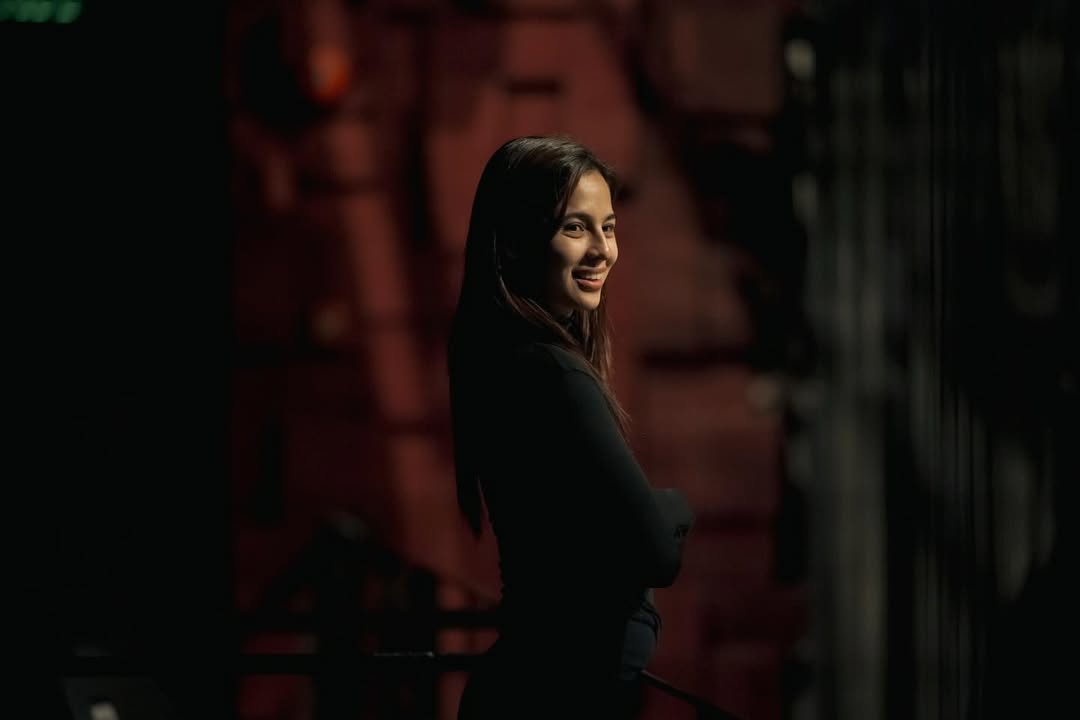
“For Tanya, if the salary was enough to support her parents and achieve her dreams—not just for work, but for her loved ones—she would stay,” Curtis-Smith explains. “That lack of security is the only thing forcing her abroad.”
Cabrera’s connection to the story is even more personal. “My parents were OFWs (Overseas Filipino Workers),” he reveals. “They went abroad to provide for us. If our country’s situation were better, they wouldn’t have left, and I wouldn’t have experienced being separated from them for so long.”
The theater dilemma: All passion, little profit
The struggles of Tanya and Leo aren’t far removed from the reality of the theater artists portraying them.
In the Philippines, the theater industry operates almost entirely on a per-project basis, leaving artists with low job security and zero long-term tenureship.
With all candidness, Curtis-Smith notes that in the grand scheme of national priorities, the arts often fall through the cracks.
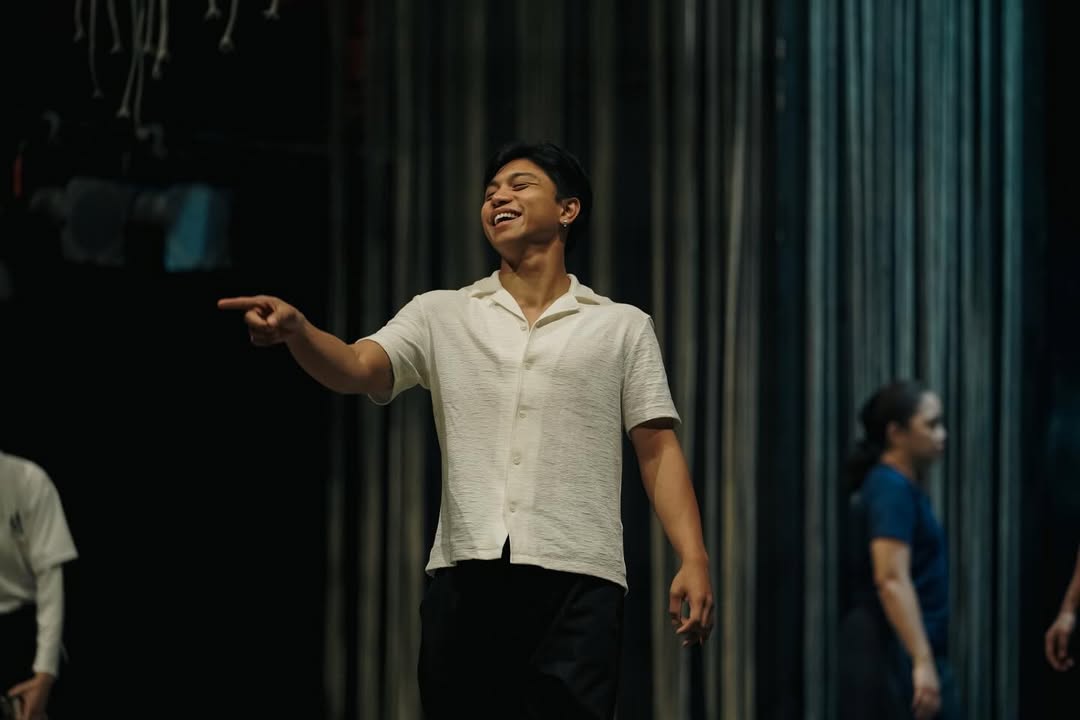
“The entertainment sector is the least priority,” she says. “We need more people to lay the foundations for us.”
Cabrera echoes this sentiment, calling for a shift in how leaders perceive the industry. “Our leaders must also realize the value of workers in this kind of field,” he stresses, highlighting that theater is as much a labor of the hands as it is of the heart.
The rise of the ‘business-minded’ artist
How does an artist survive in an economy that views them as an afterthought? For Curtis-Smith and Cabrera, the answer lies in profitable creativity—the intersection where artistic essence meets commercial sustainability.
Curtis-Smith points to audience diversity, “There is a specific audience for every art form.”
She adds: “Adding commercial appeal isn’t a betrayal of the craft as long as the core message reaches the intended market, the art has succeeded.”
Cabrera emphasizes sustainability: “We have to acknowledge that the value of every piece of art involves grueling hard work that deserves compensation.”
He reminds: “Artists today must be business-minded. Thinking about profit ensures that creative practices are sustainable. At the end of the day, it’s still a business.”
“Endo” is a stage adaptation of the 2007 Cinemalay film of the same title. It is presented by Ticket2Me and PETA Plus. It still has two more weekend shows until May 10 at the PETA Theater Center.
We have to acknowledge that the value of every piece of art involves grueling hard work that deserves compensation. Artists today must be business-minded. Thinking about profit ensures that creative practices are sustainable. At the end of the day, it’s still a business.
Royce Cabrera