The spectacular kapa-kapa flower once drove a web of Victorian deception and luxury
Few plants can claim they were so valuable that someone lied about where they came from.
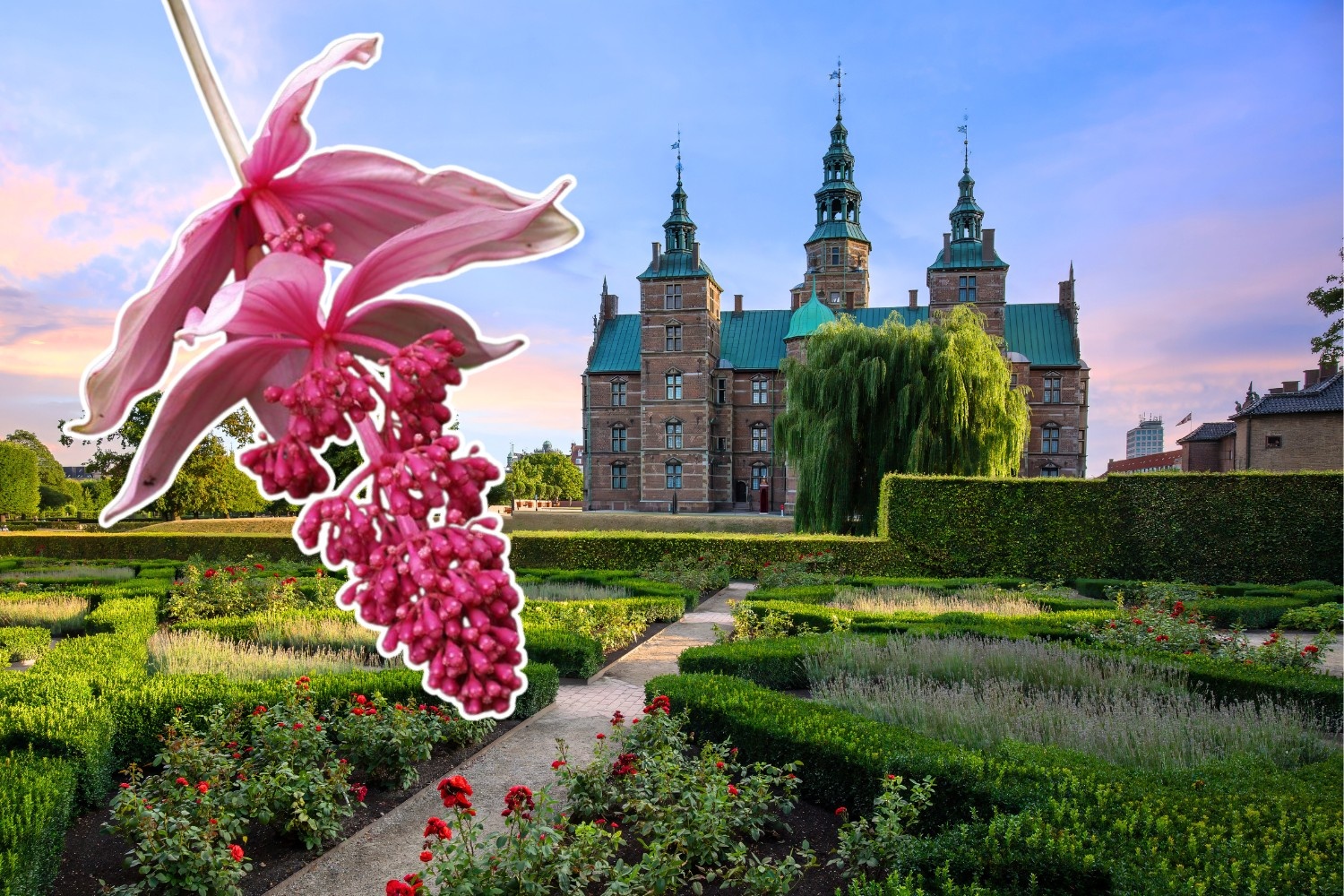
Yet that is exactly what happened to the kapa-kapa (Medinilla magnifica), the spectacular pink flowering plant that now appears on the Philippine ₱10 coin and is considered one of the country’s most beautiful native species.
Deep in the rainforests of Luzon, Mindoro, Panay, and Mindanao, the kapa-kapa hangs from trees like a giant pink chandelier. Its cascading flower clusters can reach half a meter long, draped beneath large emerald leaves. Today, it is critically endangered in the wild due to habitat loss and illegal collection. But more than 170 years ago, it was one of the most coveted plants in Europe.
When British plant collector J.H. Veitch introduced the species to England in the mid-1800s, the Victorian horticultural world became obsessed. The plant won top honors from the Royal Horticultural Society in 1854 and quickly became a luxury item among wealthy collectors.
There was just one problem: everyone wanted one.
To protect his commercial advantage and keep rival plant hunters away, Veitch reportedly concealed the flower’s true origin. Instead of revealing that the plant was endemic to the Philippines, he claimed it had been collected from Java, Indonesia. The deception successfully sent competitors searching in the wrong place while he enjoyed a near-monopoly on one of the era’s most fashionable tropical plants.
The kapa-kapa became a status symbol among Victorian elites. Growing it required expensive “stove houses”—coal-heated glass conservatories designed to mimic tropical conditions. Owning a blooming specimen was a sign of wealth, sophistication, and access to the world’s rarest botanical treasures.
Ironically, while European collectors treasured the plant as an exotic luxury, the forests that nurtured it were largely unknown to the outside world.
Today, the secret is long out. Botanists recognize the kapa-kapa as a Philippine endemic found nowhere else naturally on Earth. Indigenous communities have long used its slightly sour leaves to flavor fish and its berries as a natural meat tenderizer. It is not merely an ornamental flower but part of the country’s biological and cultural heritage.
Its story is also a reminder of how nature was once treated as a commodity. A flower became so profitable that its birthplace was deliberately erased from the record.
Now the challenge is no longer protecting a business monopoly. It is protecting the plant itself.
As forests continue to disappear, the kapa-kapa faces a threat far greater than Victorian rival collectors. The flower that once dazzled Europe’s richest greenhouses may someday become harder to find in the very country where it first bloomed.
READ: