

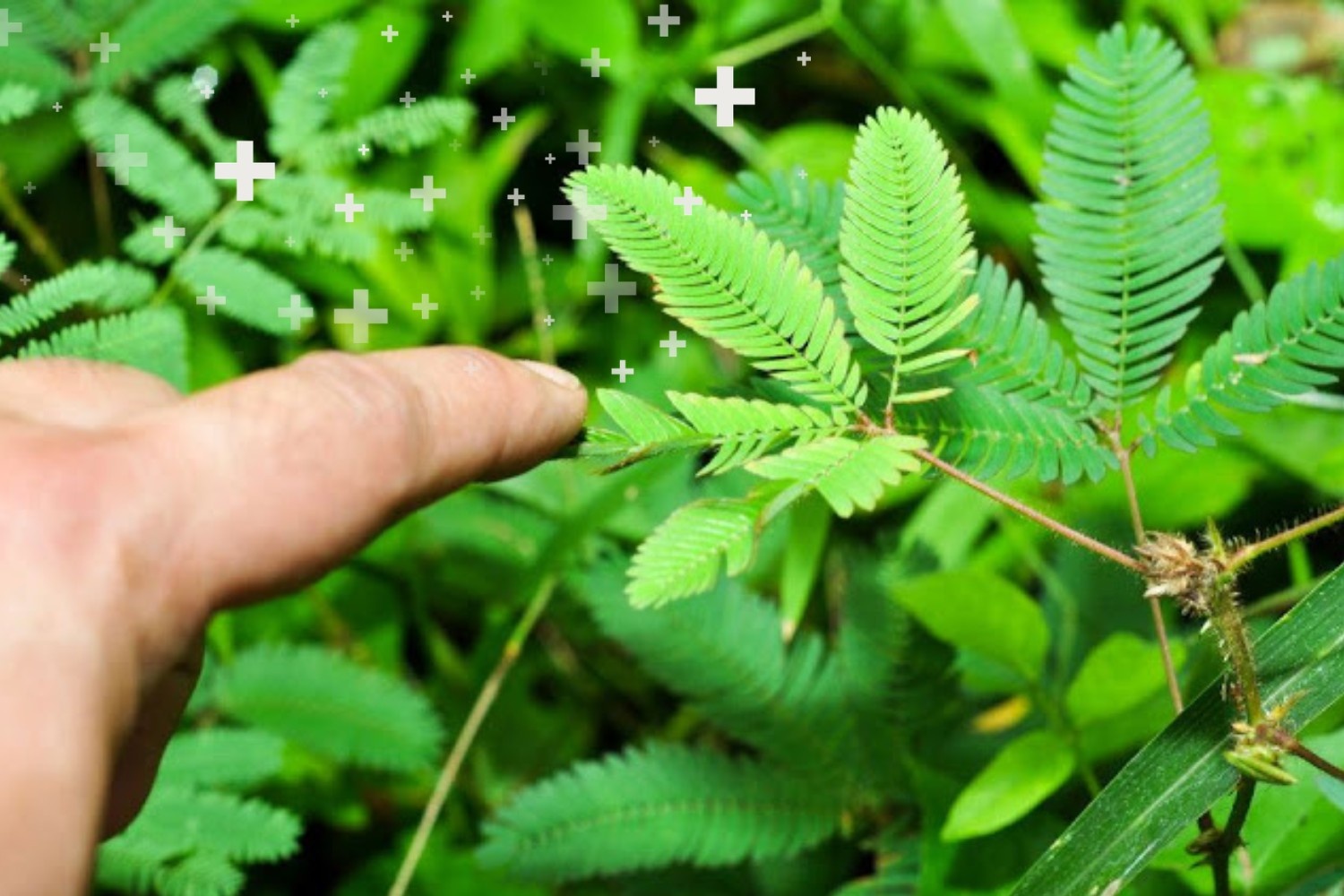
The humble roadside plant is packed with antibacterial, anti-inflammatory, and blood sugar-regulating properties.
You are walking through an open grassland after a light rain. The ground is damp, wildflowers peek through the weeds, and patches of green cover the landscape. As your foot brushes against a small fern-like plant, its leaves suddenly fold inward as if startled by your presence.
“Makahiya,” someone says.
For many Filipinos, the tiny plant is little more than a childhood curiosity—a living novelty that closes its leaves when touched. But behind its shy behavior lies a medicinal herb that has been used for generations and is now attracting scientific interest for its impressive health benefits.
Known scientifically as Mimosa pudica, makahiya grows abundantly across the Philippines. Traditional healers have long relied on its leaves, stems, and roots to treat wounds, infections, and various ailments. Modern studies are beginning to validate many of these folk uses, revealing that the plant contains compounds with antibacterial, anti-inflammatory, antioxidant, and even blood sugar-lowering properties.
Healing wounds naturally
One of makahiya’s most promising benefits is its ability to help wounds heal faster. The plant contains tannins, phenols, and other bioactive compounds that can help fight bacteria while encouraging tissue repair. This is why crushed makahiya leaves have traditionally been applied to minor cuts, scrapes, and skin injuries.
For generations, rural communities have turned to the humble plant as a readily available first-aid remedy, especially in areas where modern medicines were not always within reach.
A natural anti-inflammatory
Researchers have also found evidence supporting makahiya’s anti-inflammatory effects. Herbal preparations made from the plant have long been used to ease joint pain, arthritis, and swollen tissues. The compounds found in makahiya may help reduce inflammation, offering a natural remedy that has been valued in folk medicine for generations.
Its traditional use for aching muscles and painful joints has made it a staple in many herbal medicine practices across Southeast Asia.
Fighting bacteria and fungi
Another reason the plant is gaining attention is its antimicrobial potential. Laboratory studies have shown that extracts from makahiya can inhibit the growth of several strains of bacteria and fungi.
This may explain why it has historically been used to address skin infections, diarrhea, and other common ailments. Scientists continue to explore whether these properties could eventually support the development of new plant-based treatments.
Potential support for diabetes management
Perhaps most intriguing are studies suggesting that makahiya may help regulate blood sugar levels. Researchers have identified compounds that appear to improve insulin sensitivity or mimic some of insulin’s actions, helping the body manage glucose more effectively.
While scientists stress that more human studies are needed, the findings have sparked interest in the plant’s potential role in supporting diabetes management, particularly as rates of diabetes continue to rise worldwide.
Rich in antioxidants
Makahiya is also rich in antioxidants that help protect cells from damage caused by free radicals. Excessive oxidative stress has been linked to aging and various chronic diseases, making antioxidant-rich plants valuable additions to traditional wellness practices.
Its antioxidant content adds another layer to the plant’s growing reputation as more than just a roadside weed.
Supporting kidney and urinary health
Some traditional practitioners likewise use makahiya as a mild diuretic, helping increase urine output and support kidney and bladder health. The practice is rooted in the belief that increased urination can help the body flush out waste and toxins more efficiently.
Although scientific evidence remains limited, the plant continues to be used for this purpose in many communities.
A word of caution
In many parts of the Philippines, makahiya is prepared by boiling its leaves and roots into a tea or decoction. Others crush fresh leaves into a paste and apply them directly to wounds. These remedies have been passed down through generations, often surviving not because of scientific journals but because families believed they worked.
Still, experts caution against treating makahiya as a cure-all. The plant contains mimosine, a naturally occurring compound that can be harmful when consumed in excessive amounts or over long periods. Pregnant and breastfeeding women are generally advised to avoid ingesting it, and anyone considering herbal remedies should consult a healthcare professional first, particularly if they are taking medication for diabetes or other chronic illnesses.
For a plant famous for shrinking away at the slightest touch, makahiya has made a surprisingly bold mark in traditional medicine and modern research. The next time you see its delicate leaves fold beneath your fingertips, remember that this familiar roadside weed may be hiding far more than a simple party trick—it may be one of nature’s most overlooked healers.
READ:

Bougainvillea tea is trending as a refreshing remedy for coughs and sore throats
Walter C. Villa
May 30, 2026
Sineguelas earns ‘food of the gods’ status with its god-tier health benefits
Kate Nuesca
April 29, 2026
The health benefits of Kantutan
Nikko Miguel Garcia
April 16, 2026


