Makeshift kariton rides are helping pedestrians cross flooded streets for around ₱20, but are they a livelihood born from crisis or a much-needed service?
In a flooded Metro Manila, crossing the street—without having to wade in knee-deep floodwater—can cost pedestrians money.
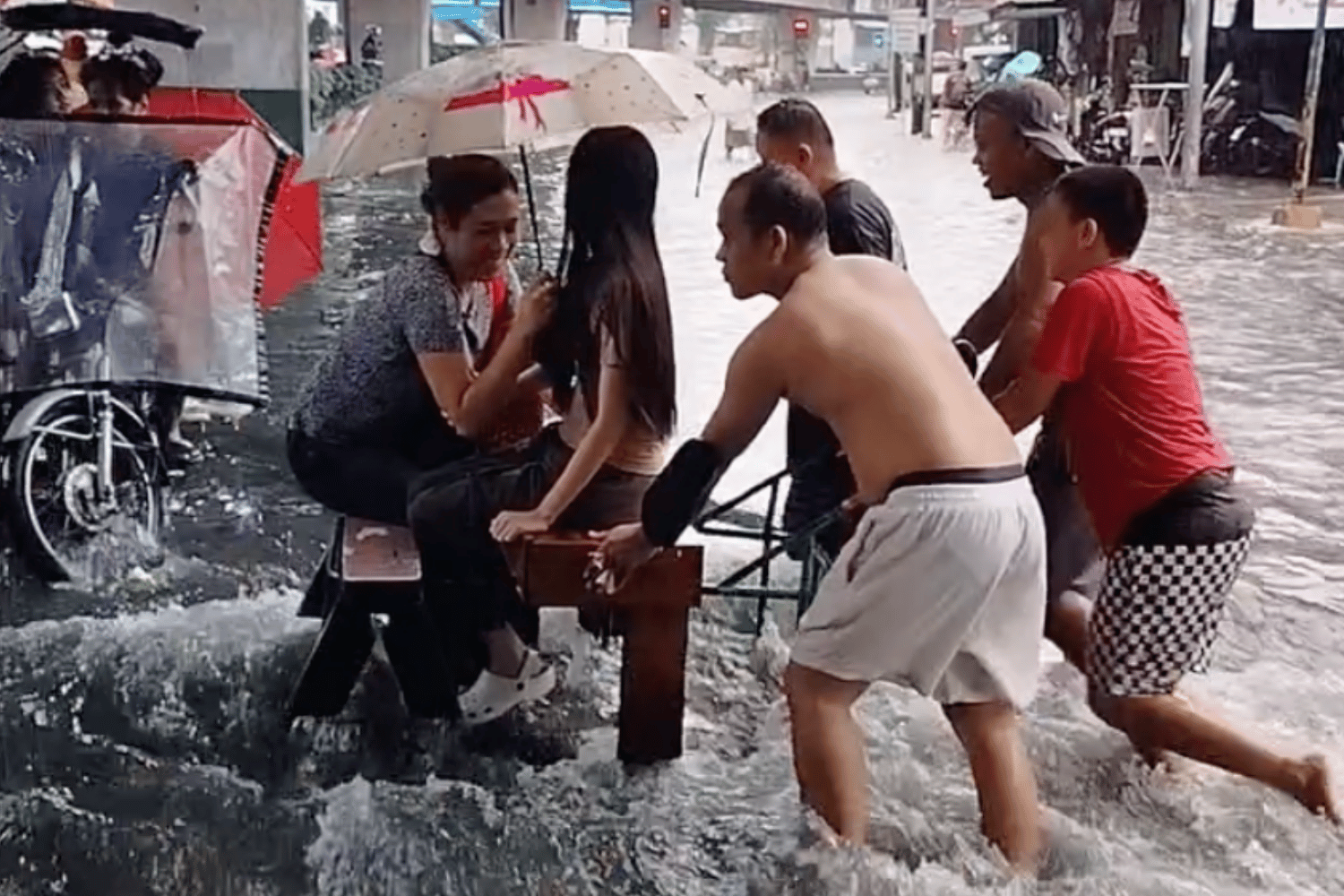
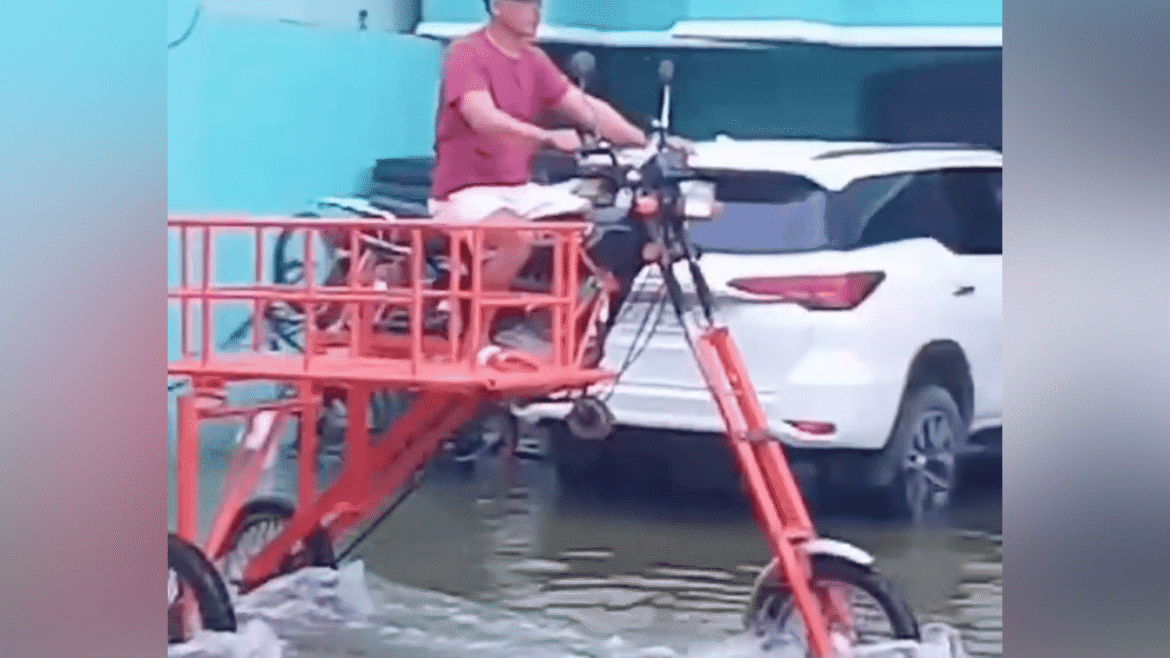
When roads turn into rivers, Filipinos are often forced to pay people offering makeshift kariton rides to ferry them across. Passengers stand or sit on the carts as men push them through the murky floodwater, charging around ₱20 per trip.
It is a clever way to make money out of a bad situation. The passenger gets to the other side without having to take the plunge, while the person pushing the cart assumes the risk. For those who still have to clock in despite the weather, the kariton can be the difference between making it to work and being stranded on the wrong side of the road.
But having to shell out ₱20 simply to cross a public road feels like adding insult to injury.
People can call the cart operators opportunistic for turning a disaster into a livelihood. But the same situation can also be viewed differently. They are ordinary people finding a way to earn from a problem that they did not create, while pedestrians and workers are paying because they have no better or cheaper option.
Metro Manila has had an anti-flood master plan since 2012, including the modernization of pumping stations, improved drainage, flood forecasting, and better waterway management. The current flood management project covers 26 pumping station upgrades and four new stations.
The government has also been clearing drainage systems. The Department of Public Works and Highways-NCR reported removing 7,678.68 cubic meters of drainage waste by June 2026, exceeding its target by more than 66%.
Oplan Kontra Baha was likewise launched to clear 142.4 kilometers of waterways and 333.15 kilometers of drainage systems across Metro Manila.
But while thousands of meters of drainage are being cleared and millions are being spent on flood control, Filipinos still find themselves wading through flooded roads. The numbers may look impressive on paper, but their value means little when the same streets continue to turn into rivers.
₱20 may not sound like much, but it becomes a different story when people are already spending on transportation, food, and other necessities while trying to report to work despite a flood.
It may be easy to judge people profiting from others’ misery. But that pits Filipino against Filipino when both sides are simply trying to get through the same disaster.
Yet when it rains heavily, the reality remains the same for victims—the Filipino people—of inadequate government measures.
READ: