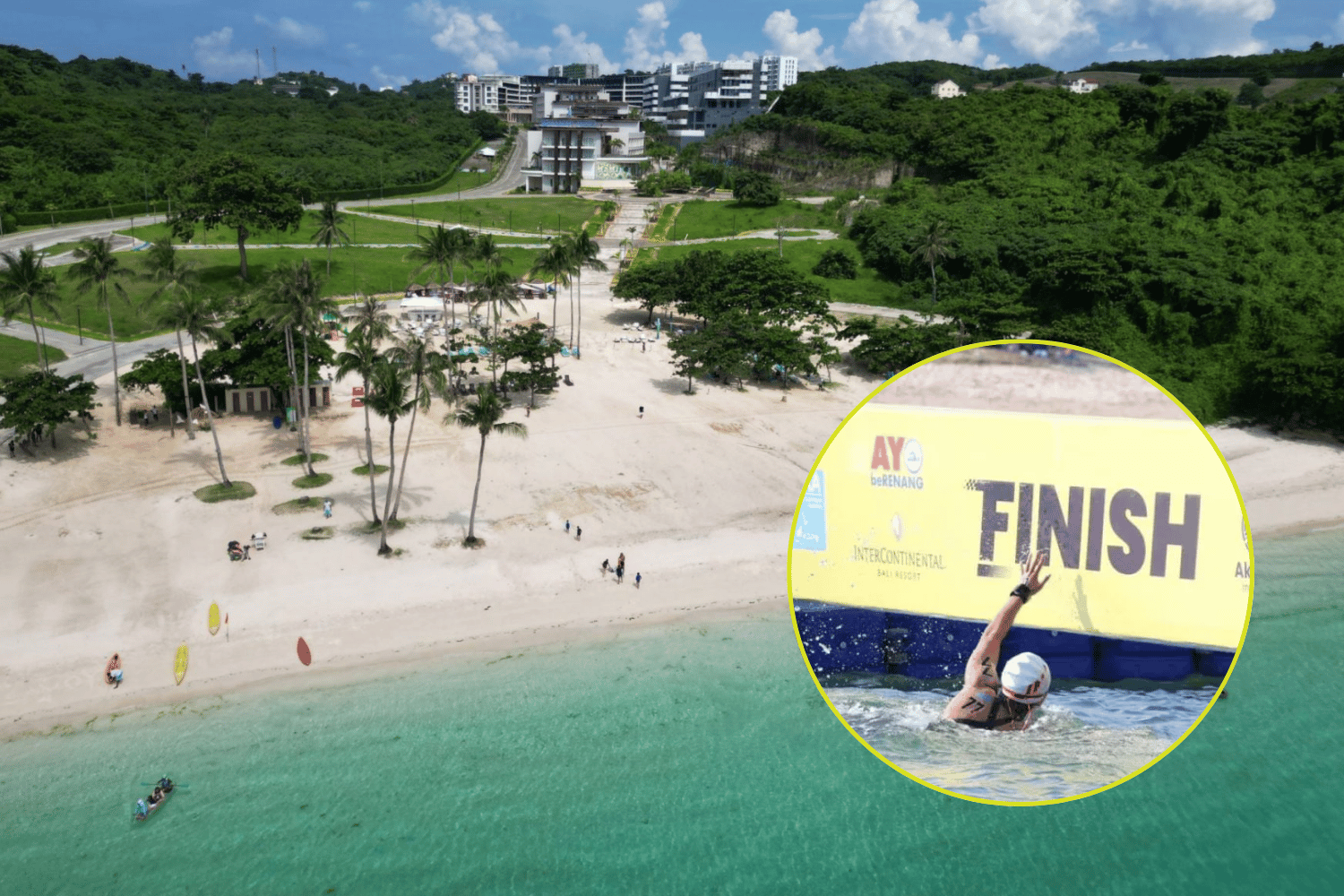
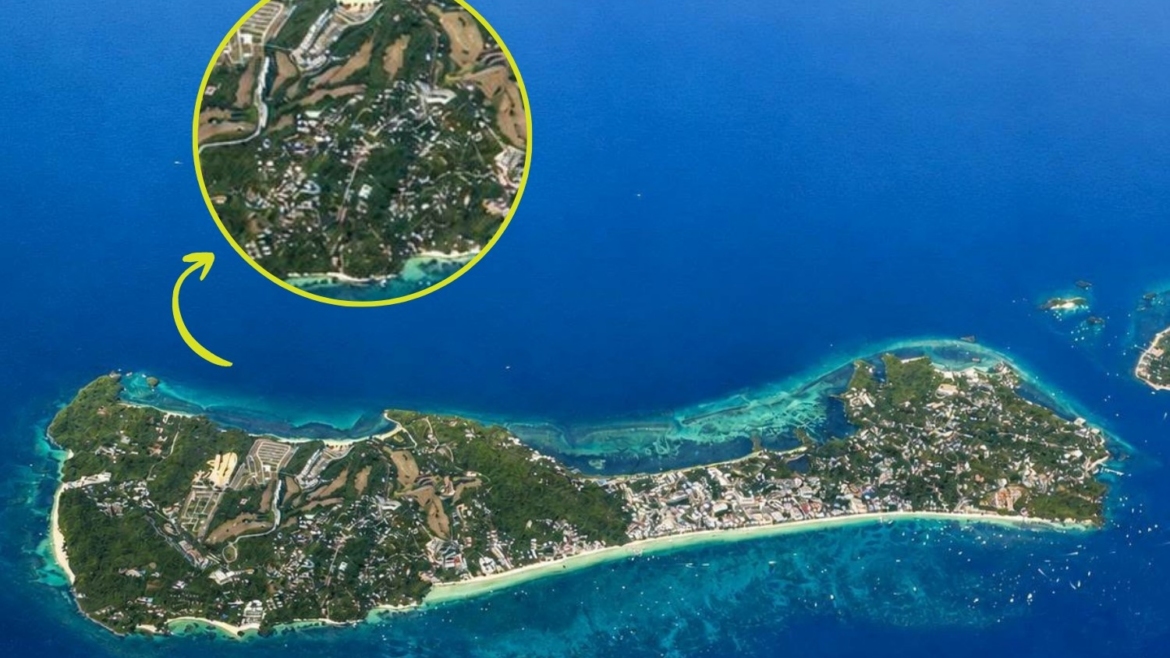
The island paradise will host the 4th Southeast Asian Open Water Championships from August 21 to 23.
For most bakasyonistas, Boracay is for swimming, sailing, or simply cooling off by the beach. This week, its waters become a race course.
The island will host the 4th Southeast Asian Open Water Championships, presented by the Philippine Sports Commission in a joint effort involving government, private stakeholders, and national sports associations.
The competition, from Aug. 21 to 23, will draw 113 swimmers from eight of the 11 countries in the region to Boracay Newcoast, a 150-hectare tourism estate being developed by Megaworld.
Teams from Indonesia, Laos, Malaysia, Singapore, Thailand, Timor-Leste, Vietnam, and the Philippines will compete in the championships, sanctioned by the Southeast Asian Swimming Federation.
It’s the first time that the Philippines will host the regional open-water showcase. “Indonesia had its Bali, Thailand had its Pattaya, and now the Philippines has Boracay to be proud of,” said Eric Buhain, Philippine Aquatics Inc. secretary general and a former top Filipino swimmer.
For the swimmers arriving from across Southeast Asia, the island will be experienced from an entirely different vantage point. Instead of looking out at Boracay’s famous waters from the sand, they will spend hours moving through them, with the shoreline becoming a backdrop to the competition.
It’s where sports and tourism naturally meet: an international competition brings visitors to a destination for something other than a holiday, all while giving athletes an experience that’s inseparable from the place where they compete.
Open-water swimming, however, is not simply a matter of getting into the sea and going.
Organizers said lifeguards, life rafts, medical personnel, and other support staff will be stationed at strategic points throughout the course. The same precautions will be in place during training—underscoring the difference between enjoying Boracay’s waters and racing across them.
For the duration of the meet, Boracay’s famous waters will be more than a backdrop to a holiday. They will be a course, a challenge, and a regional sporting stage.
And perhaps that’s another way for Boracay to make its case as a Southeast Asian destination: not just as a tourist destination, but as a sports arena, too.
READ: