Researchers stress the findings are an early step in drug discovery.
A tree found in many Filipino backyards may hold clues for future cancer medicines—but scientists say it is far too early to call it a cure.
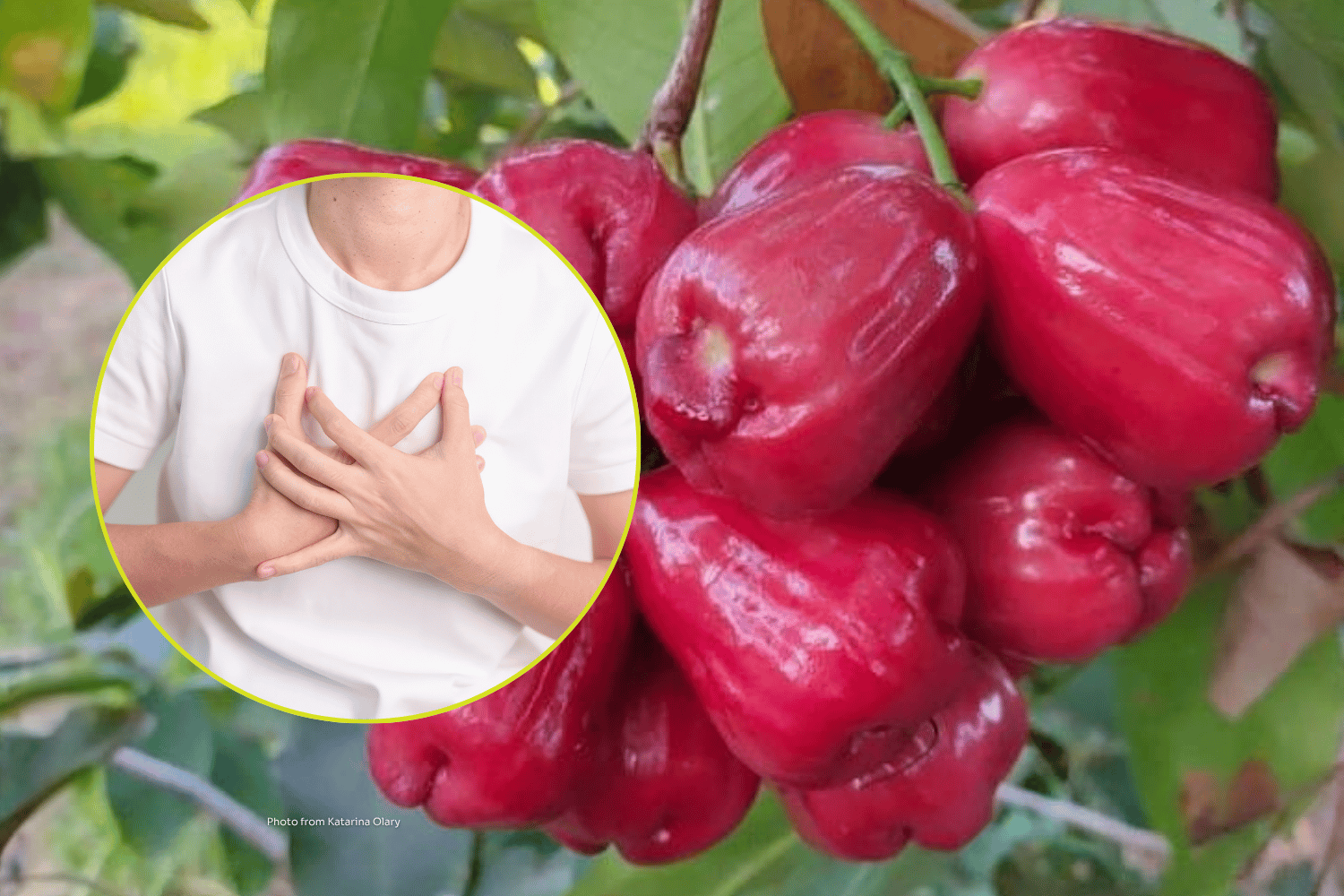
Researchers from the University of the Philippines Manila and the Virgen Milagrosa University Foundation found that a specially prepared, flavonoid-rich extract from makopa (Syzygium samarangense) leaves was able to kill human breast cancer cells grown in the laboratory while showing low toxicity to normal breast cells under the same experimental conditions. The findings were published in the peer-reviewed journal Acta Medica Philippina in 2023.
The study focused on MCF-7 cells, one of the world’s most widely used laboratory models for breast cancer research. Instead of simply poisoning the cancer cells, the extract triggered apoptosis—the body’s natural process of programmed cell death, in which damaged or abnormal cells effectively shut themselves down.
Scientists also detected DNA fragmentation and activation of caspase-3, both established biological markers that apoptosis had taken place. The flavonoid-rich extract recorded a median inhibitory concentration (IC50) of 7.2 micrograms per milliliter, meaning it reduced the cancer cell population by half at that concentration. For comparison, the chemotherapy drug doxorubicin had an IC50 of 1.2 micrograms per milliliter in the same experiment.
One of the study’s more encouraging findings was that the extract was not cytotoxic to normally dividing breast epithelial cells at the concentration tested, suggesting a degree of selectivity toward cancer cells. The researchers, however, emphasized that much more work is needed before any medical application can be considered.
The makopa leaves used in the experiment were collected in San Carlos City, Pangasinan, and underwent multiple laboratory extraction and purification processes using methanol and ethyl acetate to isolate flavonoid-rich compounds. The extract tested was a highly refined laboratory preparation—not boiled leaves, homemade tea, or raw plant material.
The researchers cautioned that the work was conducted entirely in vitro, meaning only on cultured cells inside a laboratory. No animals or human patients were involved in the study, so the findings cannot be interpreted as evidence that eating makopa fruit or drinking leaf preparations can prevent or cure breast cancer.
Instead, the study represents an early stage of drug discovery. Scientists must still identify the exact compounds responsible for the anti-cancer activity, determine whether they are safe inside the human body, and validate their effectiveness through animal studies and eventually clinical trials before any treatment could become available.
READ: