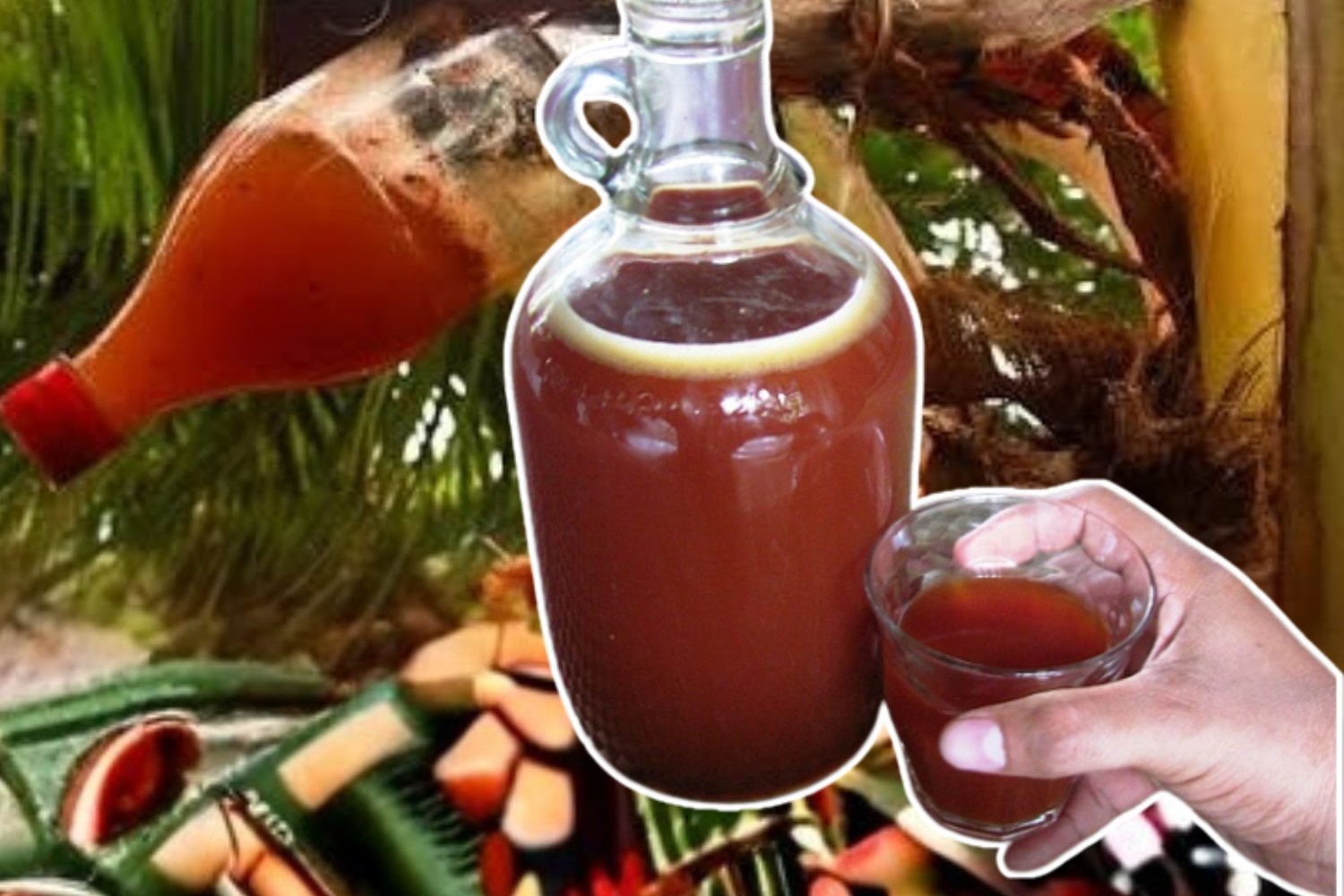
One sap, many lives: The enduring ritual of the Philippine coconut.
I learned the hard way that tuba is not juice.
I was in elementary school, back in my hometown in Laoang, Northern Samar, when my family ran a small sari-sari store. One afternoon, while I was attending the tindahan, a delivery of fresh tuba arrived—still warm from the tree and still sweet from the morning’s harvest. Curious and thirsty, I poured myself a glass. Then another. It tasted like something between coconut water and sugarcane juice—light, refreshing, almost innocent.
The next thing I remember was waking up on the floor, my mother hovering over me, half worried, half amused. That was the day I realized tuba may taste sweet, but it is very much alcohol.
Tuba: The sweet Beginning
I’ve always thought of tuba as the most honest kind of drink. Freshly harvested from the sap of a coconut flower, it begins as a sweet, milky liquid that ferments almost immediately. Within hours, that sweetness develops a slight fizz, a gentle sourness—like a rustic, tropical beer.
Growing up, I saw how deeply it was woven into daily life—not just in the sari-sari store, but at home. I remember my father sitting with his friends, glasses of tuba passed around, their laughter getting louder as the night went on. I would sit nearby, quietly listening to their stories—about work, about life, about things I was too young to fully understand—while I happily devoured the pulutan laid out on the table. It felt ordinary then, almost routine, but looking back, it was its own kind of ritual.
At a time when bottled beer, rhum, and gin were more expensive and often out of reach, tuba was what people turned to. It wasn’t just a drink—it was the drink.
Bahalina: Aged, elevated, and reserved
But I also learned that the tuba doesn’t stay the same.
Left to age in clay jars for months, sometimes years, it transforms into Bahalina—darker, stronger, and far more complex. Often called “coconut red wine,” bahalina carries a deeper flavor, slightly bitter and almost refined.
In our community, bahalina was never casual. I remember how it was treated differently—more expensive, more deliberate. It wasn’t something you drank on an ordinary day. It was brought out for weddings, birthdays, fiestas—moments that mattered. It was the kind of drink that signaled celebration, a quiet marker of status and occasion.
In a way, it felt like our version of fine wine—except it came from the same humble beginnings as a tuba.
Suklang tuba: When drink becomes staple
And then, there’s the final stage—something I only came to fully appreciate later in life.
When tuba is left to ferment even longer, it turns into sukang tuba. What was once sweet and intoxicating becomes sharp, tangy, and essential.
I’ve tasted it countless times without even thinking about where it came from—in dipping sauces, in adobo, in kinilaw. It carries a softer acidity than commercial vinegar, with a subtle trace of its past life.
It no longer brings people together over drinks, but it brings dishes to life.
One sap, many lives
Looking back, I realize that tuba, bahalina, and sukang tuba are really just different chapters of the same story. One coconut sap, shaped by time into three distinct identities.
Tuba is everyday life—simple, shared, and immediate. Bahalina is a celebration aged, intentional, and reserved. Sukang tuba is sustenance—quiet, essential, and always present.
And for me, it all circles back to those moments—on the floor of a sari-sari store, at the table with my father and his friends—small, lived experiences that reveal how something so familiar can hold so many meanings if you just let time do its work.
I learned the hard way that tuba is not juice. From a sari-sari store in Northern Samar to the tables of grand fiestas, explore the journey of tuba, bahalina, and vinegar.
radar Recommends
Learning the tuba quality check
If you want the "juice" experience Matahari describes, drink it within 4 hours of harvest. After that, the natural yeasts will turn the sweetness into a noticeable "kick."
True bahalina should have a clear, deep reddish-brown hue (often from the addition of barok or mangrove bark). It should not have the yeasty sediment of young tuba.
When buying sukang tuba, look for a "mother" (the cloudy sediment at the bottom). This indicates a natural fermentation process rather than a chemically induced acidity, giving your adobo a much deeper flavor profile.
While tuba is affordable, bahalina is a premium product. If you are buying a bottle to bring back to Manila, expect to pay more for the months it spent in the jar.
READ:
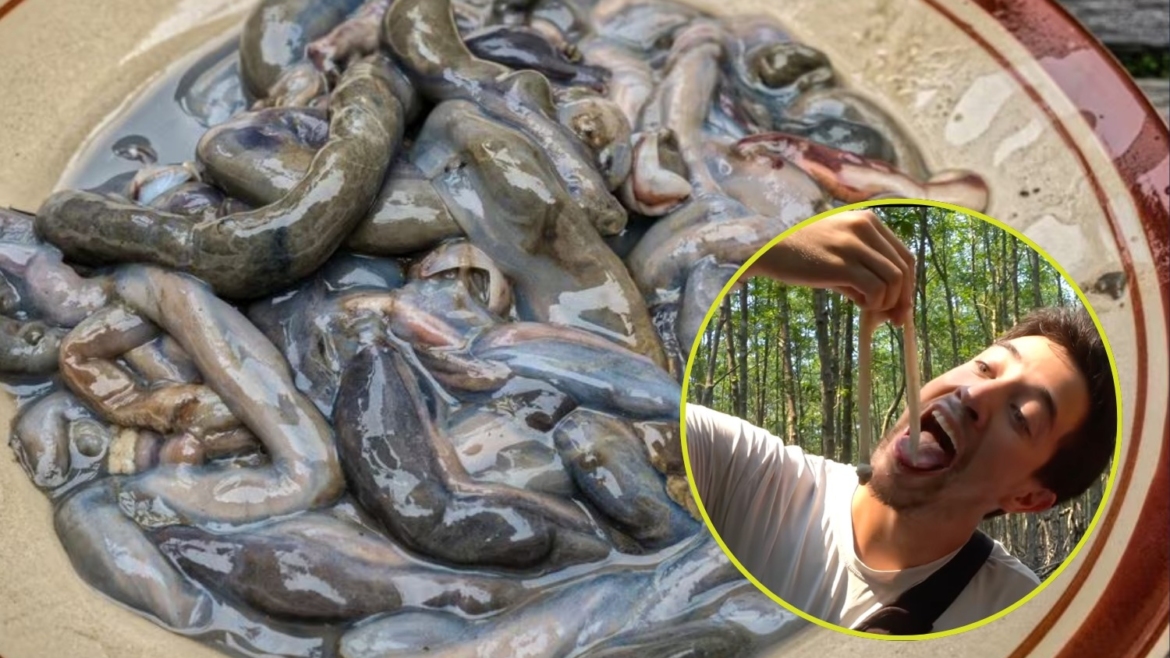
Why tamilok, the shell-less mollusk in Palawan and Kalibo, is the ultimate food dare
Rei Marquez
March 14, 2026
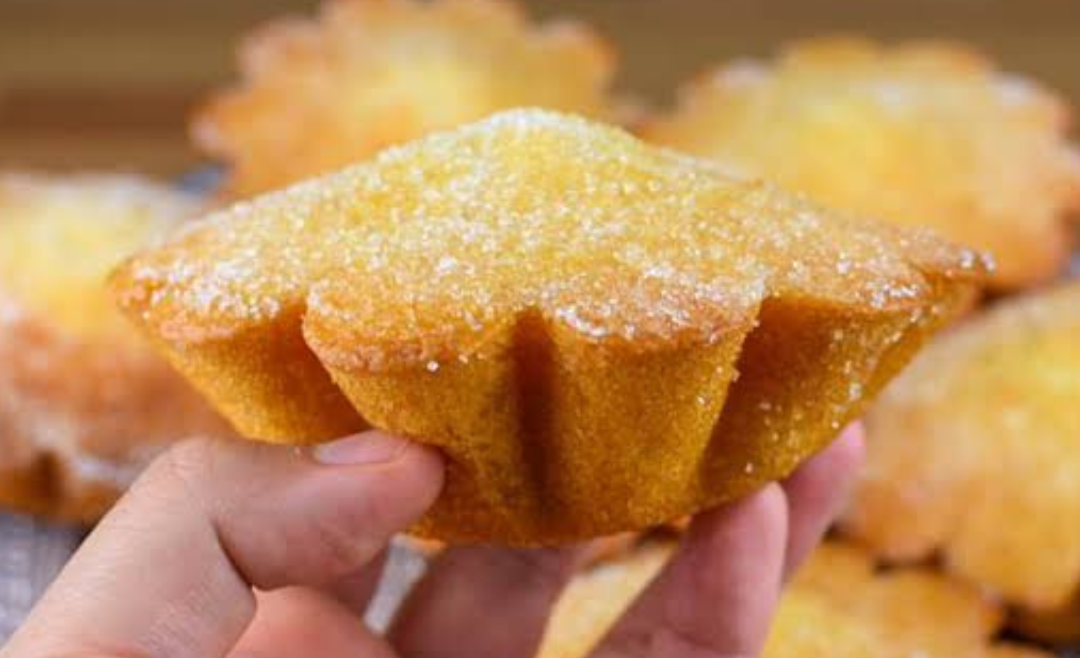
Once baked in every Visayan home, torta Cebuana is now left to memory
radar Lifestyle
April 9, 2026
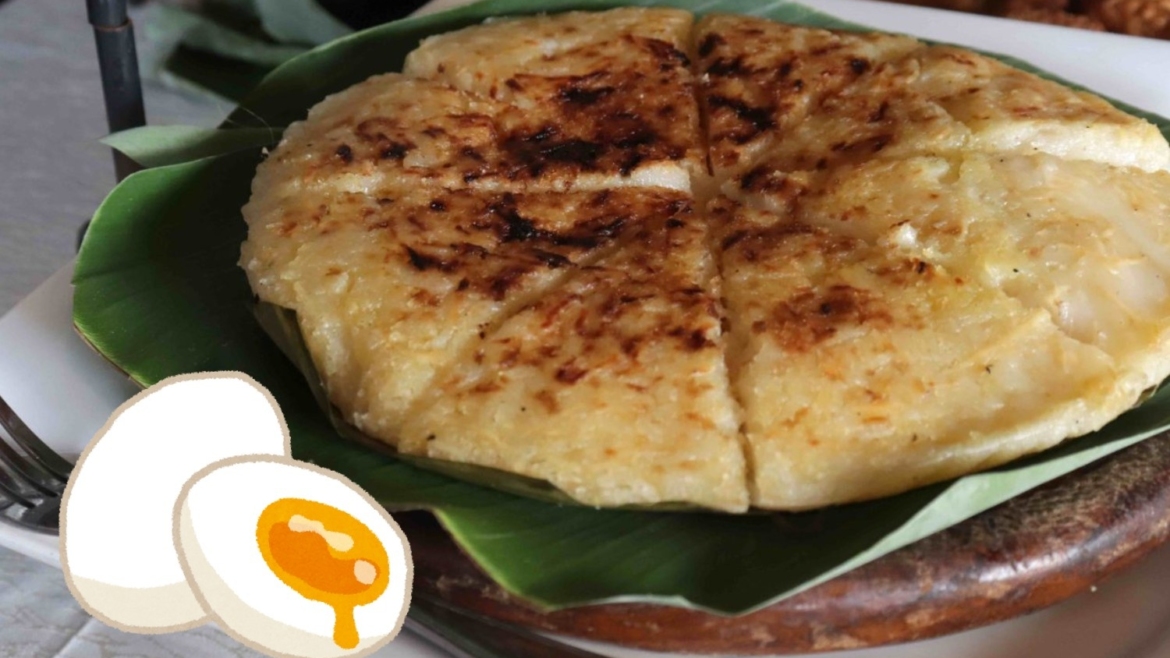
In Marinduque, a bibingka identifies as male: “Kasi may itlog!”
Rei Marquez
March 5, 2026