MMPC will expand its Santa Rosa plant, assemble battery packs locally, and begin pilot production of a hybrid vehicle in 2027.
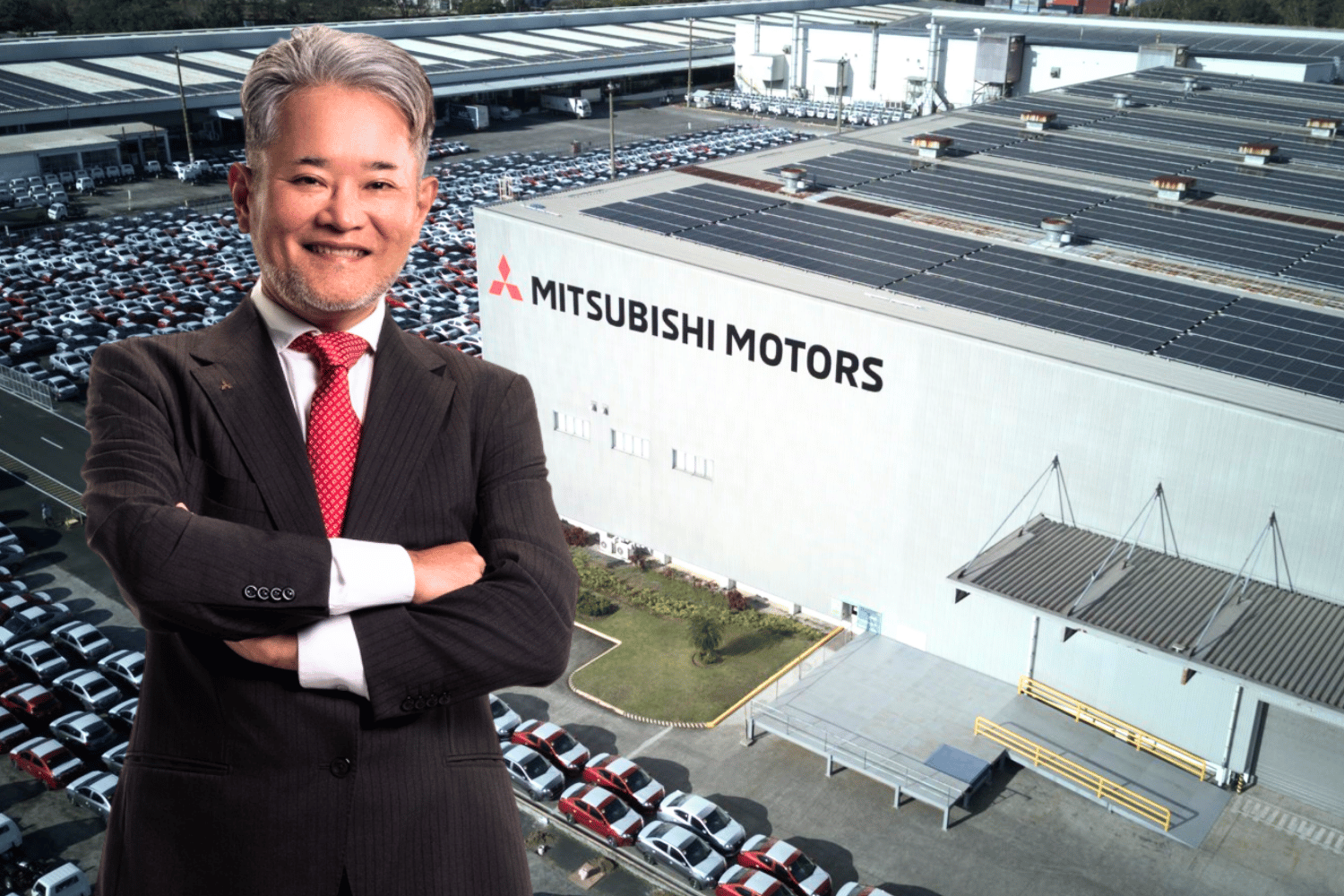
Mitsubishi Motors Philippines Corp. (MMPC) is putting at least ₱7 billion behind a plan to expand its Santa Rosa, Laguna, plant and start producing hybrid electric vehicles (HEVs) locally by 2028, as it seeks to make the Philippines a more competitive manufacturing base.
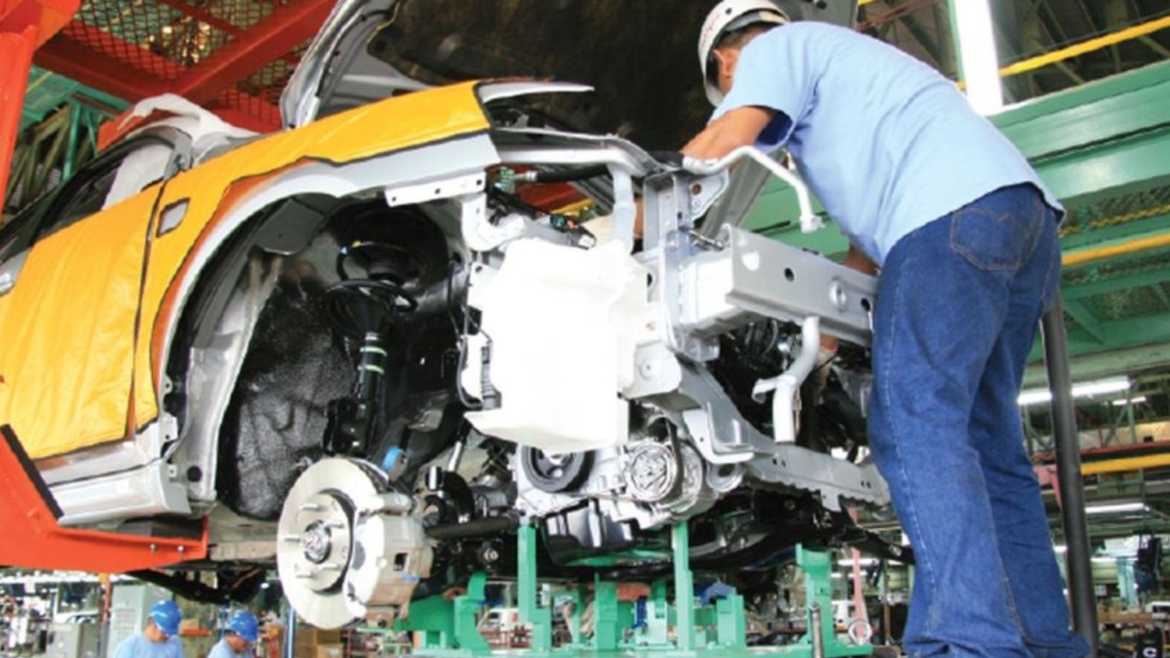
The investment, which MMPC plans to make under the government’s Electric Vehicle Incentive Strategy (EVIS), will cover the expansion of its existing facility, additional engineering manpower and the local assembly of battery packs for hybrid vehicles.
MMPC Chairman Noriaki Hirakata told reporters in a media briefing that the company plans to start pilot production of the new hybrid model around mid-2027 ahead of full production in 2028.
The company also plans to add 300 to 500 engineers initially as it expands capacity at its existing plant rather than build a new facility.
“We want our plant to be competitive compared with other plants in Asia, even in Japan,” Hirakata said.
The Santa Rosa plant currently has an annual production capacity of 50,000 units and is already running at about 80% to 90% of capacity. Additional capacity will therefore be needed once hybrid production begins.
Bringing battery-pack assembly to PH
The investment will also bring battery-pack assembly to the Philippines. Hirakata clarified that MMPC will not manufacture battery cells locally. Instead, battery components will be produced outside the country and brought in for assembly into battery packs.
MMPC is also talking with existing and potential local suppliers about components for the hybrid vehicle, with the company aiming to increase localization over time.
The push comes as Mitsubishi seeks to strengthen its position in a Philippine automotive market it considers strategically important. Hirakata described the Philippines as Mitsubishi Motors’ largest market outside Japan in terms of sales and market share.
MMPC is targeting a 20% market share in the Philippines this year and at least 25% over the medium term.
But the company’s Philippine manufacturing expansion comes with a challenge. Local production remains less cost-competitive than Mitsubishi’s plants in Indonesia and Thailand, largely because of the difference in production scale.
According to Hirakata, total annual vehicle production by Toyota and Mitsubishi in the Philippines is slightly below 100,000 units, compared with more than 1.5 million units produced in Indonesia and Thailand.
MMPC has asked the Philippine government to help narrow that cost gap through incentives under EVIS.
The company is also looking at export opportunities for Philippine-made hybrid vehicles, potentially opening another market for the expanded plant.
For Mitsubishi, the ₱7-billion investment is therefore more than a new model rollout. It is a bet that the Philippines can build enough manufacturing capability, supplier support and production scale to compete with larger automotive hubs in the region.
Hirakata said: “We will try to localize this program as much as possible. It doesn’t have to be overnight, (but) step by step.”
READ: