‘Sanlaksang Kaletsehan,’ running Oct. 21 to 23, asks what broadcasting is amid upheavals in the digital age.
The University of the Philippines Diliman’s Department of Broadcast Communication turns 60 this year.
For six decades, its classrooms have been filled with students learning how to report, produce, write, and speak—for Filipino audiences.
The department was established in 1966, growing from UP’s early courses in radio and journalism in the then College of Arts and Sciences.
A year earlier, the Institute of Mass Communication was created under Republic Act No. 4379, becoming the new home of those courses. The institute also became home to the award-winning university radio station DZUP 1602 kHz.
It later became the UP College of Mass Communication in 1988 and, in 2025, was renamed the UP College of Media and Communication.
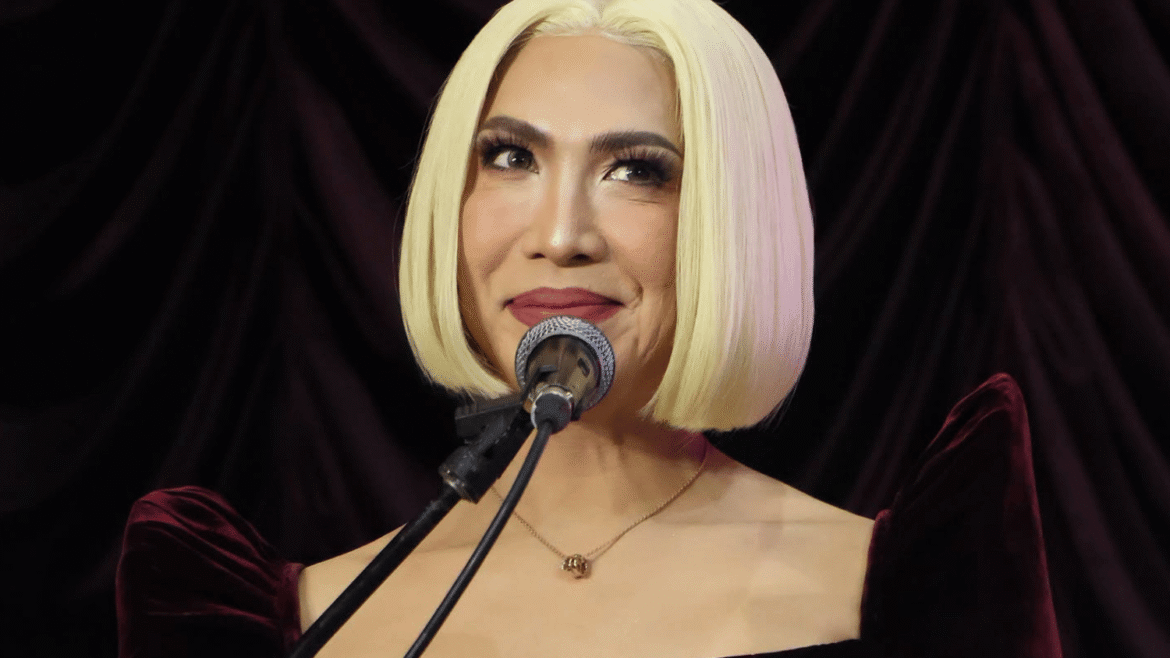
Its graduates have since gone on to become familiar names in Philippine media and entertainment, from broadcast journalist Kara David and singer-host Ogie Alcasid to actor Martin del Rosario, host Richard Juan, news anchor KaladKaren, radio personality Willie “Hillbilly Willy” Inong, and filmmaker Maryo J. de los Reyes.
In 2013, the Commission on Higher Education named the Department of Broadcast Communication a Center of Excellence in Broadcasting.
But more than its notable alumni and achievements, the department’s story is also about how much the media landscape itself has changed.
What began in the age of radio and television now stretches across digital platforms, livestreams, podcasts, and social media. The department has evolved with it, offering Broadcast Media Arts and Studies alongside master’s and doctoral programs in Media Studies.
Now, at 60, the department is doing something new.
It’s holding its inaugural Philippine Media Studies Conference, bringing scholars and practitioners together to examine the field amid what the organizers describe as a “time of upheavals” marked by “annoyance, frustration, and discontent pervading the media atmosphere at the moment.”
Titled “Sanlaksang Kaletsehan: Media and Communication Studies in the Time of Upheavals,” the conference will run from Oct. 21 to 23 at UP Diliman. Discussions will include media technology disruptions, shifts and disciplinal concerns, sustainability, justice, and equity in media and communication.
The event is free and open to the public, but attendees must register at this link.
In a way, “Sanlaksang Kaletsehan” is a fitting anniversary project: after 60 years of studying broadcasting, the department is making space to ask what broadcasting is becoming.
“The practice of broadcasting is shifting radically, so we need new ways of defining it,” DBC Professor Emerita Elizabeth Enriquez says. “Let us always be reminded of the potential of the media, in all its current platforms and modalities, to be a force for social change.”
READ: