How annual labor protests in the Philippines risk becoming predictable while the same demands persist.
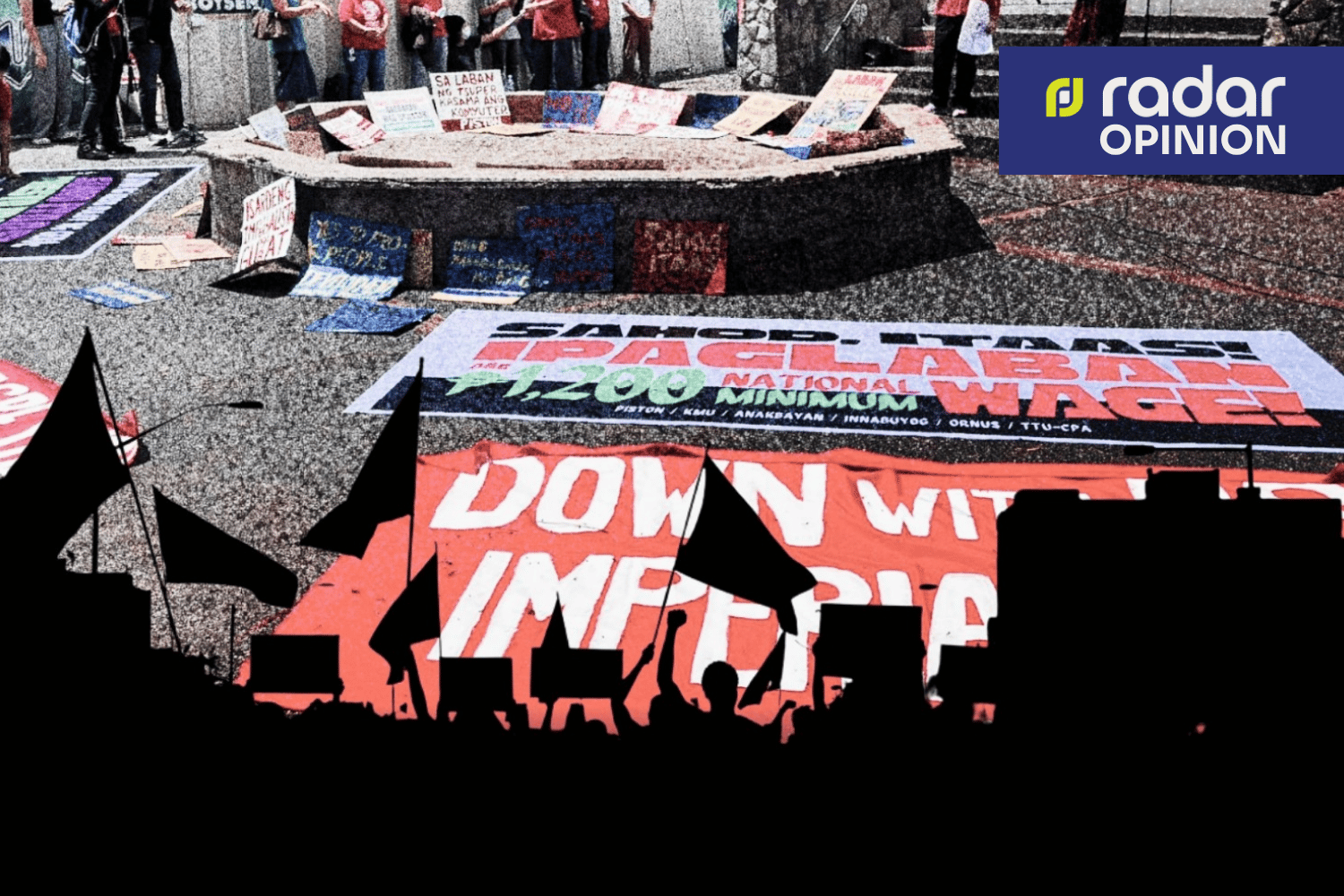
Labor Day in the Philippines was first observed 123 years ago, in 1903, as disruption in action, when workers protested for higher wages and better working conditions, not as a yearly ritual but as a direct attempt to force attention.
Today, Labor Day still arrives every year, but what once disrupted the usual order now feels expected, something the calendar has already made room for. As though the disruption itself has been absorbed into routine, carrying the same force, or already reduced to something that simply marks time.
The loop of familiarity
What follows after that familiar calendar moment is a pattern that has become just as familiar. The same demands return each year: higher wages, better working conditions, and stronger protections. The same arguments are made in reply, too, usually framed around costs, competitiveness, and what the economy can realistically carry at any given moment.
Neither side is wrong in pointing out what it sees. The tension sits in how little the conversation moves beyond those positions, as if both are locked into roles that repeat every May 1 without ever fully breaking the loop. Over time, that rhythm creates its own limitation. The points are clear enough, but they keep returning to the same ground every time, and the conversation has long stopped producing anything that feels like progress.
Symbolism vs. substance
In fact, it is not uncommon for labor-related announcements and policy gestures to surface around Labor Day, as if the date carries its own expectation that something must be shown, even if what is shown is largely symbolic.
That is where the idea of messaging starts to matter more than the message itself. When something is said often enough in the same form, it risks being heard only by those who are already convinced, while everyone else learns to recognize it as part of the annual cycle rather than a turning point that demands attention. It becomes something observed, acknowledged, then set aside.
The invisible worker
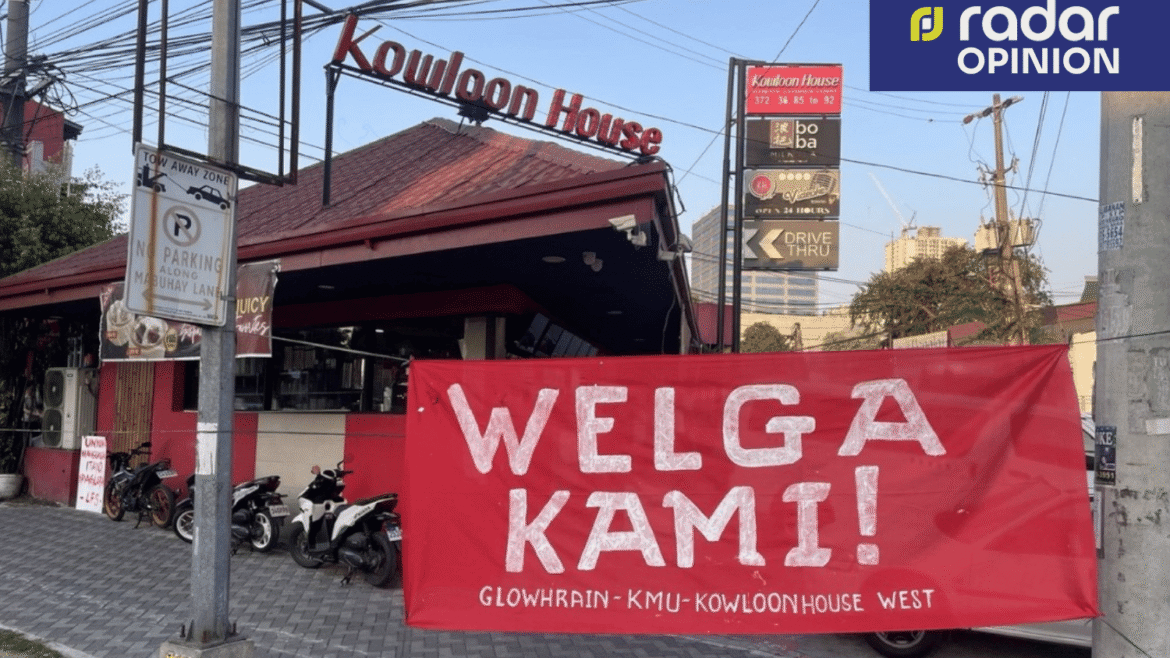
There is also a less visible layer to this that rarely makes it into the public framing of Labor Day. Not all workers are in the streets. Some are working through the day itself, unable to step away from shifts or income. Others are outside formal arrangements that give collective action its shape. Their experience of work is just as real, but it does not always translate into visibility when the conversation peaks in one concentrated moment each year.
None of this takes away from the legitimacy of what is being raised. If anything, it underscores how long the same concerns have been circulating without finding resolution that feels permanent. The repetition is not the problem on its own. It is what happens when repetition no longer produces movement, only familiarity.
And when familiarity settles in, even urgency has to work harder to be heard.