The traditional sugar industry now faces decline despite renewed demand for healthier sweeteners.
Long before artisanal cafés and organic food stores turned muscovado into a “healthy” sweetener, many Filipinos already knew its deep, earthy taste from everyday childhood snacks.
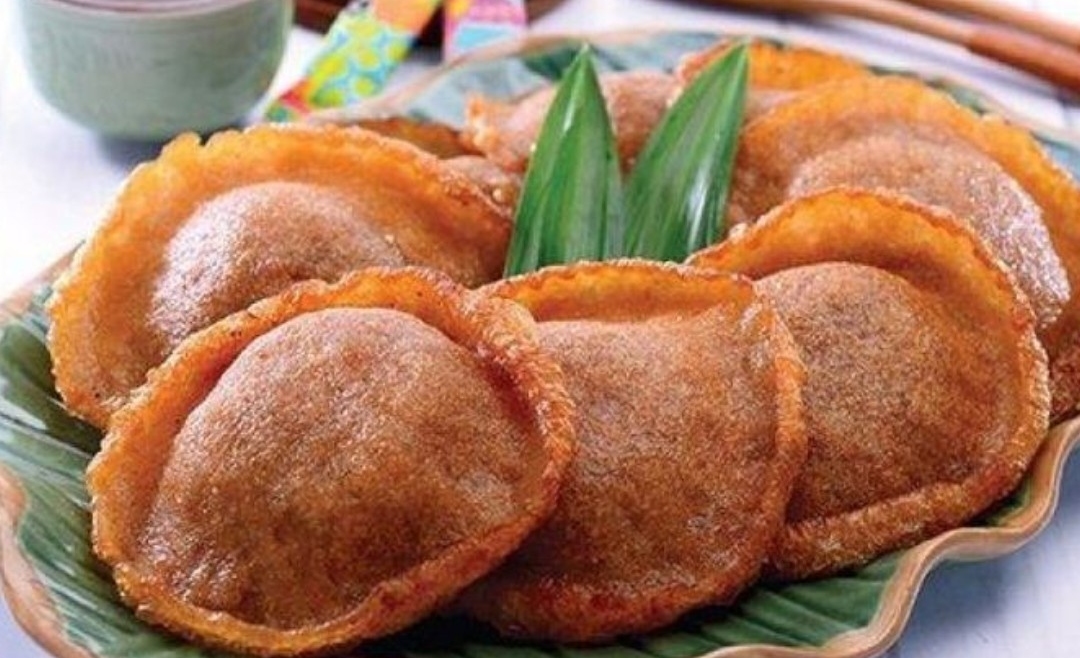
It was the sugar sprinkled over hot suman, mixed into native delicacies, stirred into coffee during rainy mornings, or used in kakanin sold in local markets. In many households across the Visayas and parts of Luzon, muscovado was not marketed as premium, unlike today, and was simply part of daily life.
The squeeze on sugar capitals
Today, however, parts of the muscovado industry are struggling to survive as cheaper refined sugar and imported alternatives continue dominating the market. Small-scale producers, particularly in Antique, often face rising production costs, alongside those in Negros Occidental, Negros Oriental, Abra, Magallanes, and Cavite, which is regarded as the muscovado capital of the Philippines.
Minerals galore
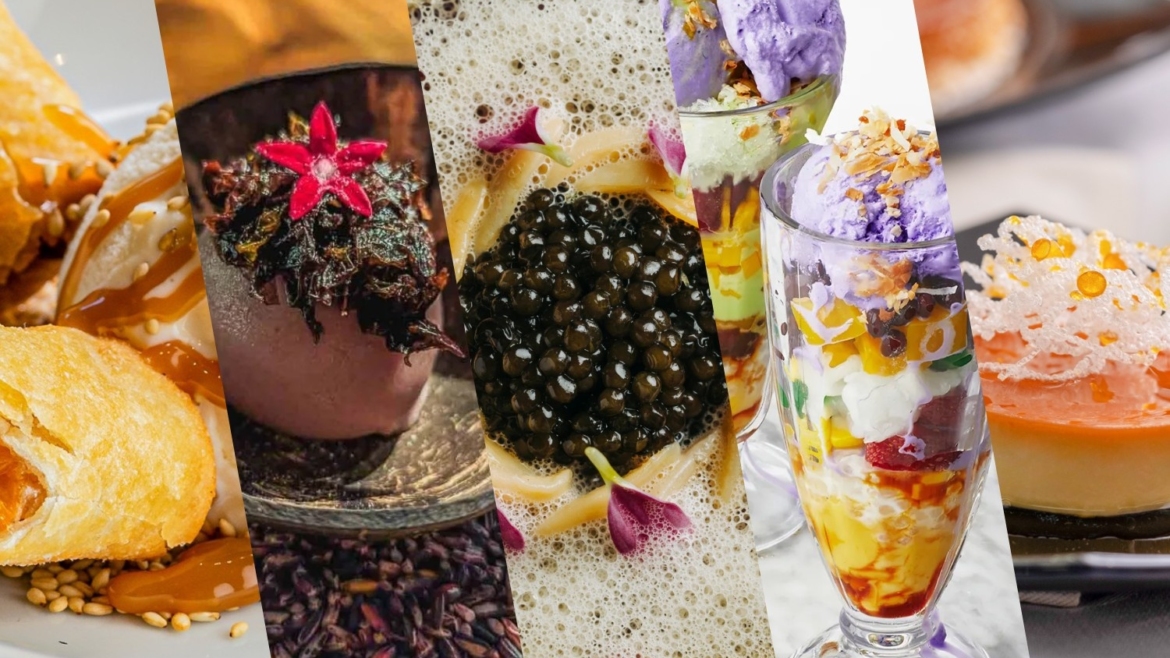
Unlike heavily refined white sugar, muscovado retains molasses, giving it a darker color, richer flavor, and small amounts of minerals such as calcium, potassium, magnesium, and iron. It has become popular in products like pastries, cookies, coffee blends, tablea drinks, sauces, and even gourmet desserts.
The Philippines had already been cultivating sugarcane extensively even before Spanish colonization, particularly in the Visayas. Muscovado itself takes its name from the Portuguese word “mascavado,” meaning unrefined sugar, reflecting centuries-old methods of producing minimally processed cane sugar across tropical regions.
The anatomy of the artisanal premium
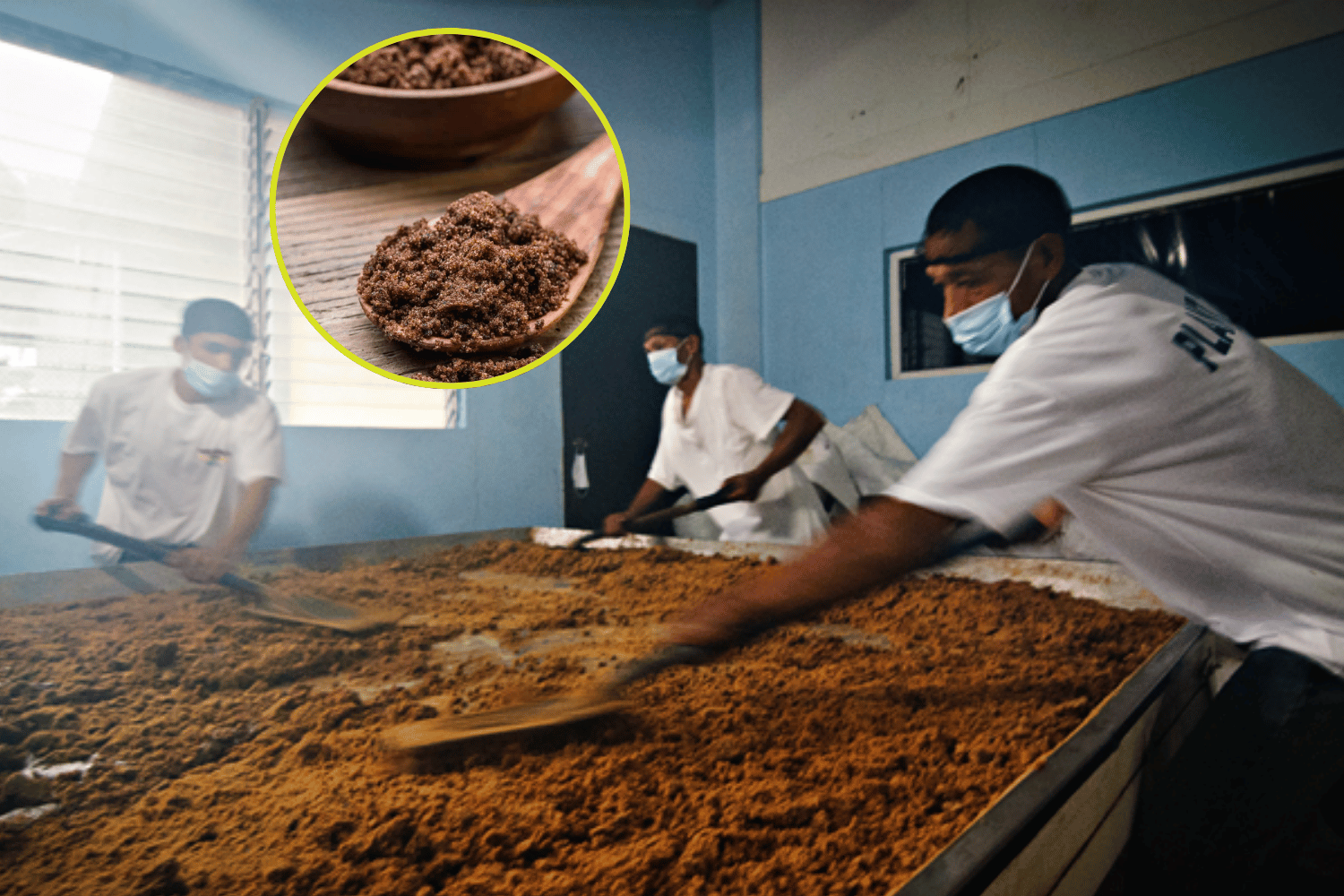
Production of natural muscovado remains largely traditional and physically demanding. Sugarcane is harvested and crushed, and its juice is extracted, which is slowly boiled until it thickens into a concentrated syrup. The mixture is then cooled and dried into moist brown crystals before being ground and packed.
Muscovado remains more than just sugar, as it carries the taste of old kitchens, native delicacies, and a fading agricultural tradition now fighting to survive.
It’s the taste of old Filipino kitchens, now fighting for survival. While health trends turn muscovado into a premium asset, high costs crush small-scale farmers.