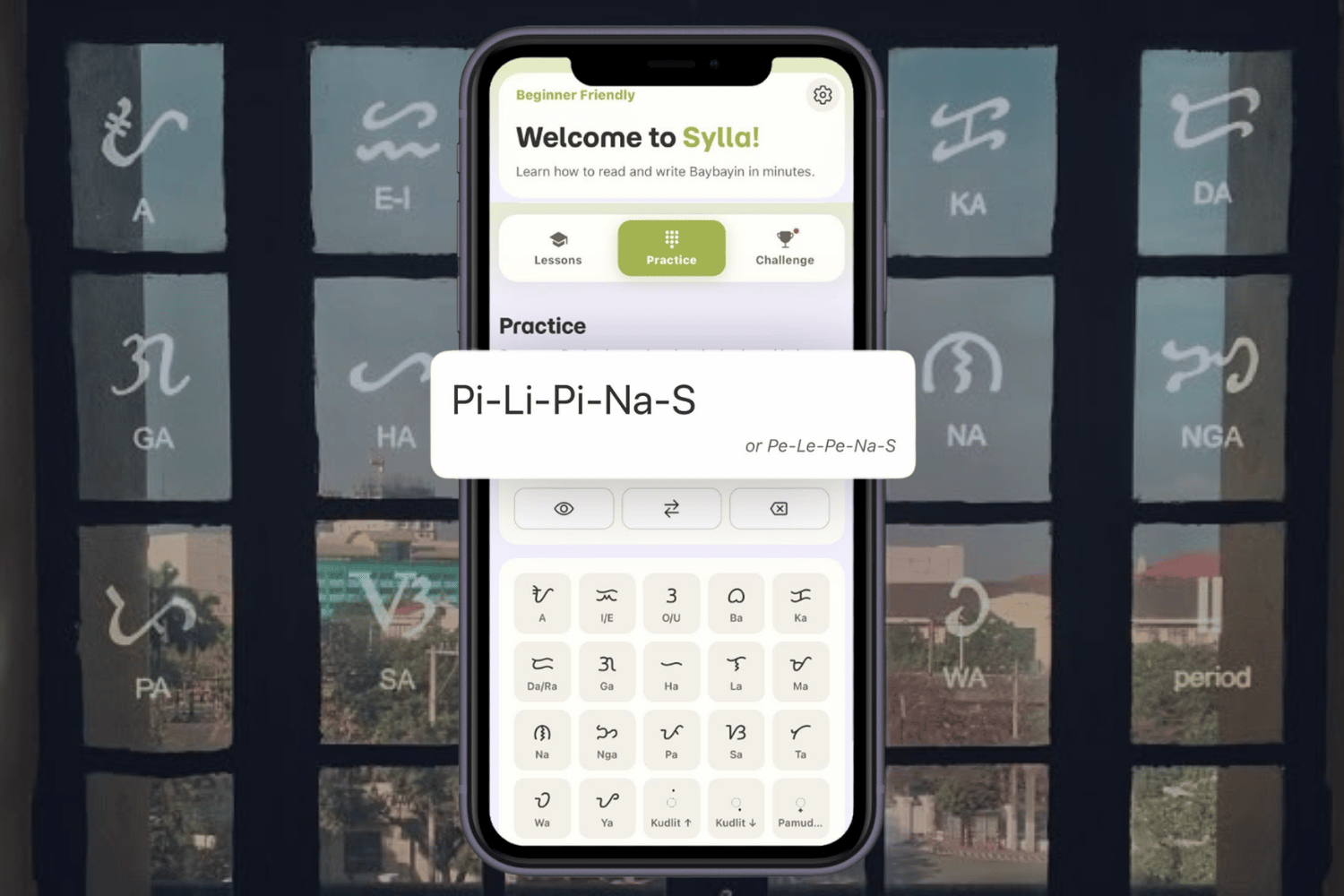
Sylla offers short lessons, a practice keyboard, and daily challenges for learning.
Baybayin is easy to spot on tattoos, logos, merchandise, and social media, but recognizing the characters is one thing and actually knowing how the writing system works is another.
Nikki “Nikz” Dela Cruz found that out himself when he first became interested in Baybayin in 2016, back when he was also one of many Filipinos who mistakenly called the script “Alibata.”
“I would find one chart showing a character one way, then find another chart showing it differently. There were so many versions and resources scattered around, and I didn’t really know which one to follow,” Dela Cruz told radar Business.
Years later, his experience as a software and web developer gave him a way to address that problem, leading to the creation of Sylla App. Taken from the word “syllable,” it is a free mobile app designed specifically to teach Baybayin and “rediscover a part of the Filipino heritage in just a few minutes.”
Dela Cruz said many existing Baybayin tools function primarily as transliterators, which can help someone check how a name or word looks in the script but do not necessarily explain how it works.
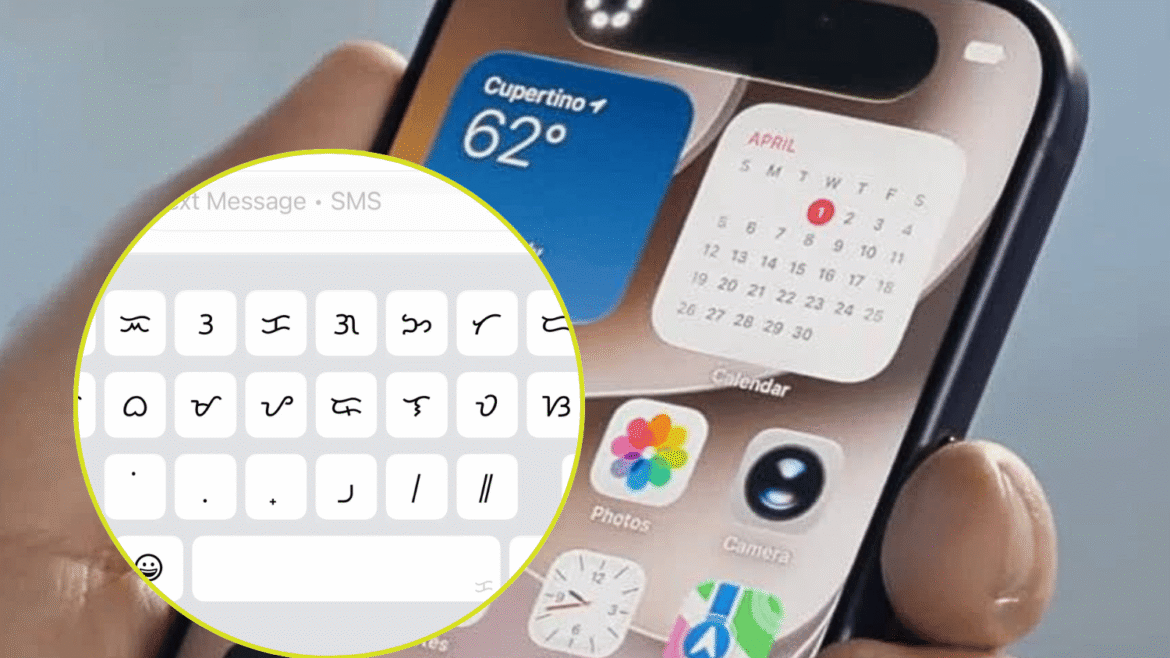
Users can work through 18 short lessons, practice with an on-screen Baybayin keyboard, switch to “stealth mode” to test their recall without Latin labels, and take a 15-second Daily Challenge to keep practicing.
The idea is to make Baybayin something people can learn and use, even if they only have a few minutes to spare.
Sylla, available on iOS and Android, has no mandatory subscriptions or advertisements, and Dela Cruz currently covers its operating costs himself.
The project has so far received feedback from nearly 4,000 users, including an overseas Filipino worker who told Dela Cruz that the app helped him reconnect with Filipino culture after years abroad.
“It made me realize that Sylla isn’t just about learning Baybayin for aesthetics, tattoos, or simply because the characters look beautiful,” he said.
Dela Cruz does not see Sylla as a campaign to replace the Latin alphabet or make Baybayin the country’s official writing system, noting that the Philippines has other indigenous scripts such as Hanunó’o, Kulitan, and Tagbanwa.
For him, learning Baybayin is instead one way of reconnecting with a writing tradition that has been part of the country’s history. Baybayin has been documented for centuries, including in the 17th-century accounts of Jesuit missionary Francisco Alcina and other early sources on indigenous writing practices in the Philippines.
The National Commission for Culture and the Arts also identifies Baybayin as an indigenous script and notes its appearance alongside Spanish and Old Tagalog in the early printed Doctrina Christiana.
Dela Cruz said he sought feedback from people with deeper expertise in Baybayin to improve Sylla’s accuracy, which led him to reach out to veteran journalist and Baybayin teacher Howie Severino, who praised the app for its user-friendly design.
Seeing Sylla introduced at HistoEx 2026 made that recognition even more meaningful, while feedback from thousands of users gave Dela Cruz another reason to keep building.
“I’m looking forward to adding more features and improving the learning experience over the next few months, while making sure that Sylla remains free to download,” he said.
READ: