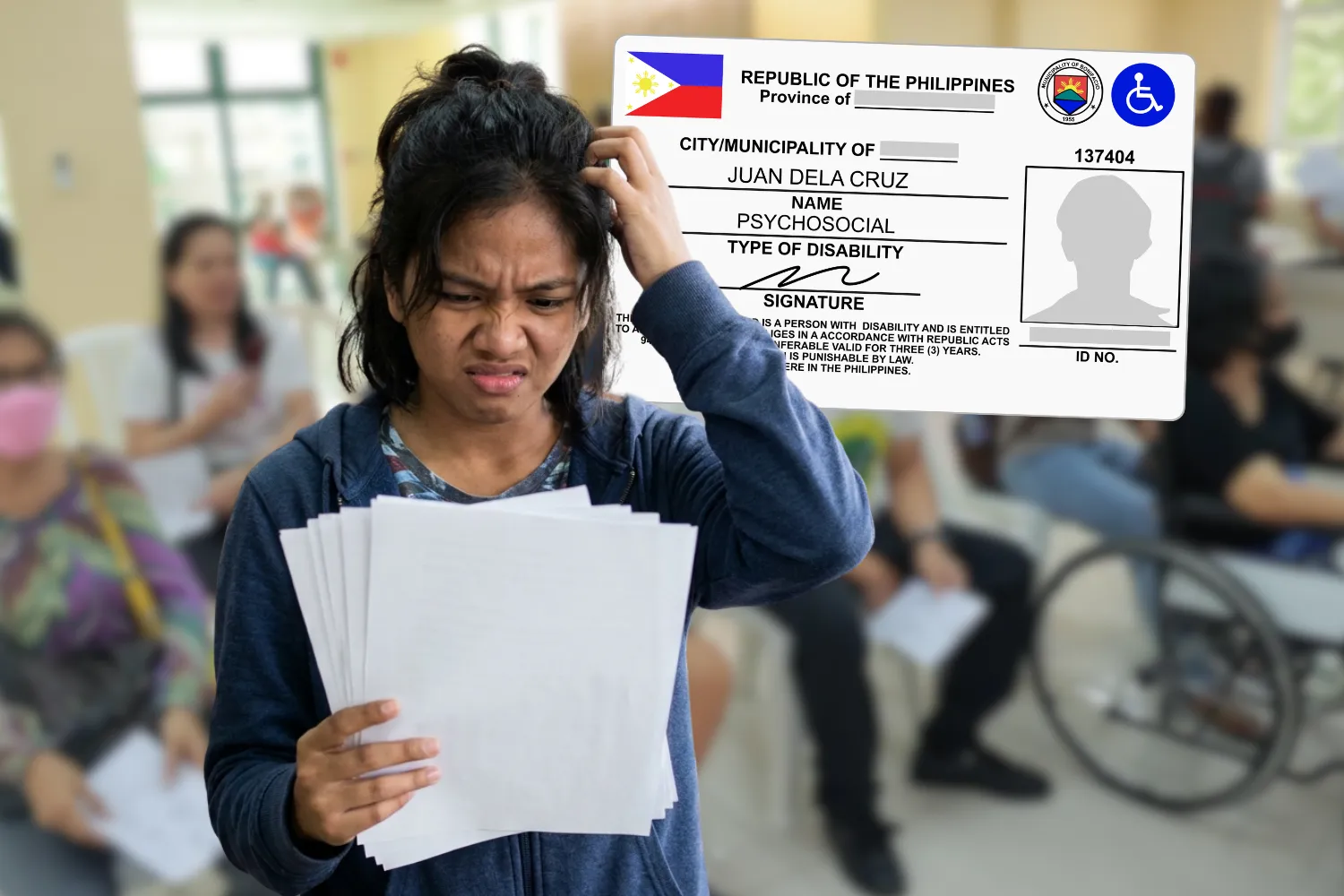
“Access to specialists–and the ability to afford the visits needed to obtain a medical certificate and certificate of disability–is uneven,” the group said, warning that the requirement is discriminatory, particularly for PWDs in rural areas.
The group noted the requirement contradicts UPWDIS guidelines, which state that revalidation must be accessible, non-burdensome, and non-discriminatory.
According to the guidelines, “No Persons with Disabilities shall have benefits suspended or denied without due process.”
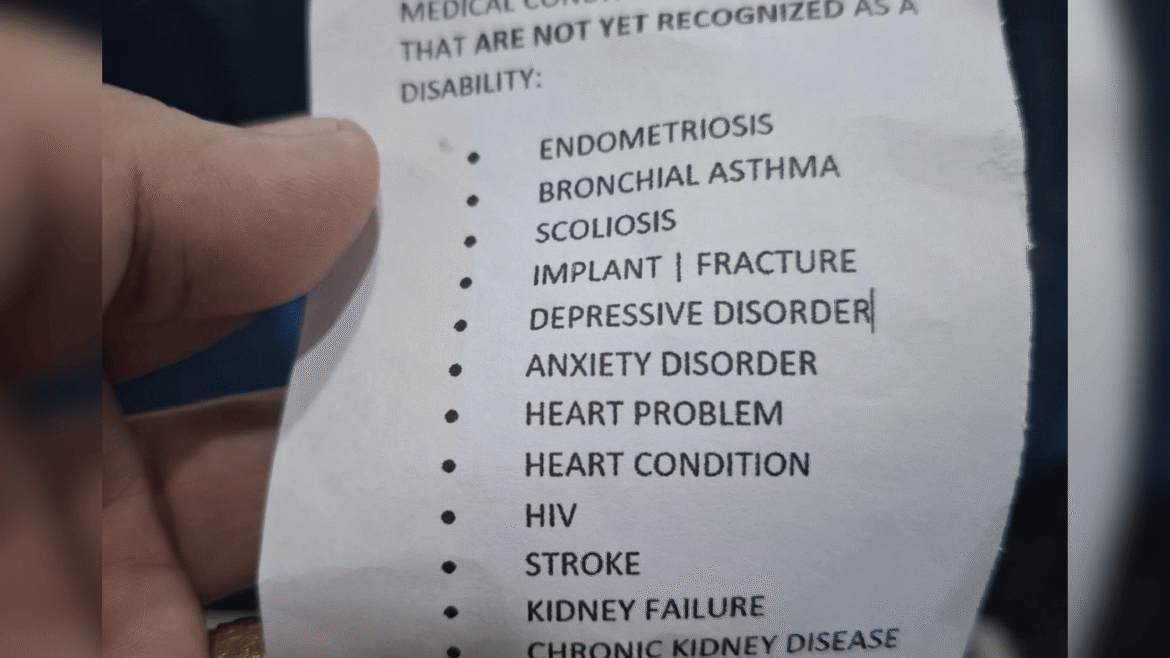
The self-advocates also questioned the interpretation of “permanent disabilities,” which they said appears to cover only visible conditions. Disabilities involving hearing and neurodevelopment, they said, are permanent as well even if not apparent.
Instead of requiring PWDs to submit documents again, the group urged the National Council on Disability Affairs to work with local government units, the Department of Health, and the Department of Information and Communications Technology to migrate existing records into the unified database.
“The burden and responsibility should be on the government agencies to make this technical data migration possible – not placed on disabled and neurodivergent Filipinos,” they said.
New PWD ID system to curb fraud
The government developed the UPWDIS following a December 2024 Senate inquiry into the proliferation of fake PWD IDs.
The inquiry cited an estimated 8.5 million IDs in circulation, compared with around 1.9 million PWDs listed in the national registry. It also estimated that fraudulent use of PWD privileges cost the government ₱88.2 billion in lost revenue in 2023.
NCDA Executive Director Glenda Relova said on Nov. 4 that all PWDs must register again under the centralized digital system, even if their existing IDs remain valid.
Applicants with apparent disabilities will no longer need to submit a disability certificate, while those with non-apparent disabilities must provide one. The NCDA may coordinate with medical professionals to verify questionable documents.
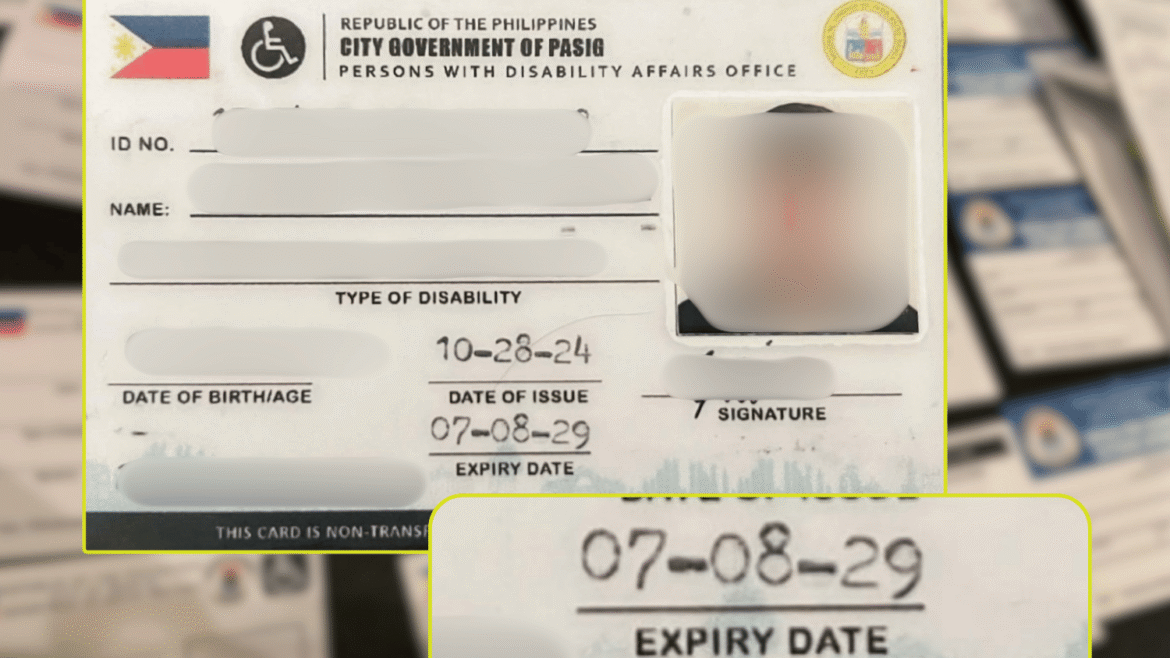
The new ID will carry a QR code and a unique number generated through the NCDA system. Registration takes place through the PWD Affairs Office of each local government unit.
More than 190,000 people had registered under the unified system, while over 128,000 had been issued new IDs, based on the latest figures provided by the NCDA. The agency aims to register the remaining 2.7 million PWDs by 2027, with existing IDs expected to be phased out by 2030.
The self-advocates urged the NCDA to have a genuine consultation with the disability sector throughout the system’s rollout, warning that efforts to stop fake IDs must not further stigmatize people with non-apparent disabilities.
“Solving the problem of fake PWD IDs,” they said, “must never come at the detriment of those of us whose disabilities are non-apparent.”