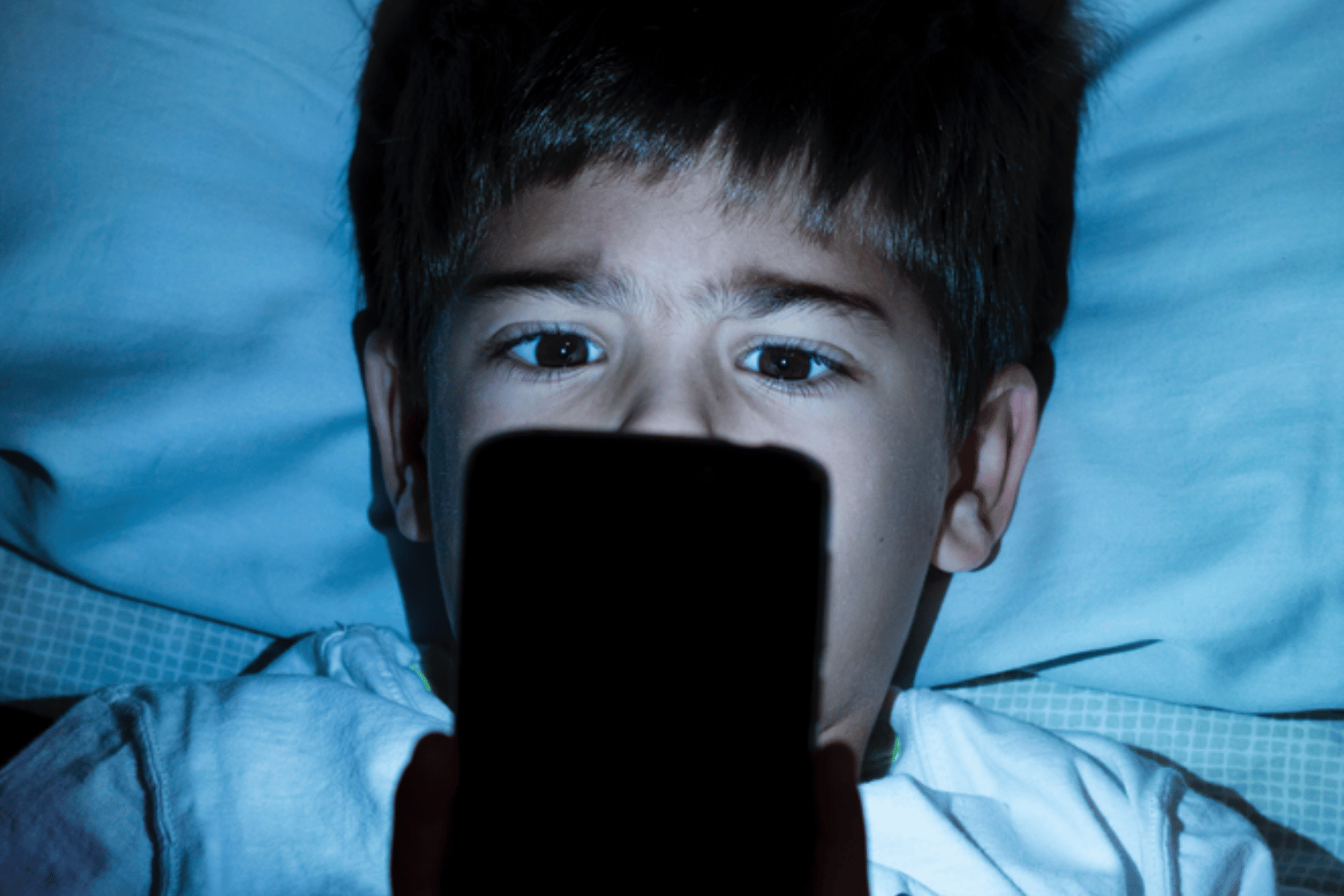
Restrictions on unsupervised social media access for children should serve as a public health safeguard rather than a punishment.
The country’s leading pediatric organizations are urging parents, schools, technology companies, and policymakers to rethink children’s access to social media, saying unsupervised use poses significant risks to young people’s mental health and development.
The Philippine Pediatric Society (PPS) has officially released a position statement recommending that children aged 16 years and below should not have unsupervised access to social media, citing growing evidence linking excessive and poorly regulated online exposure to developmental, emotional, and behavioral problems.
According to the PPS, digital platforms provide valuable opportunities for communication, learning, and social participation, but they also expose young users to harmful content, compulsive use, sleep disruption, cyberbullying, and measurable mental health risks.
The organization emphasized that children’s brains, particularly the areas responsible for impulse control, judgment, and long-term decision-making, continue to develop well into their mid-20s, making younger users more vulnerable to addictive and highly stimulating online environments.
Rather than imposing an outright ban, the PPS recommends that if children under 17 are allowed access to social media, their accounts should be co-managed by parents or guardians with active supervision, clear boundaries, and age-appropriate guidance.
The society stressed that age alone should not determine readiness for social media use, noting that developmental maturity, family support, and individual vulnerabilities should also be considered.
Backing the recommendation is the Philippine Society for Developmental and Behavioral Pediatrics (PSDBP), whose specialists say they regularly witness the harmful effects of unregulated social media use among children and adolescents in clinical practice.
“As specialists in child neurodevelopment and behavior, PSDBP members are among the clinicians who directly observe and manage the consequences of unregulated social media use in young patients,” the organization said in a statement.
It added that anxiety, emotional dysregulation, sleep disturbances, and worsening behavioral and developmental symptoms are among the conditions they frequently encounter.
“These are not theoretical risks but clinical realities documented in our consultation rooms daily,” the PSDBP said.
The group noted that children with existing developmental, behavioral, and mental health conditions are among those most vulnerable to the negative effects of unrestricted digital exposure.
Both organizations emphasized that protecting children online should not rest solely on parents. They called for a shared responsibility among families, schools, healthcare professionals, technology companies, platform developers, and government policymakers.
Among the measures proposed by the PPS are stronger age verification systems, child-safe default platform settings, greater transparency from social media companies, safeguards against addictive algorithms, and improved digital literacy education for children and families.
The pediatric groups also urged platforms to design safer online environments that prioritize children’s well-being over engagement metrics, while encouraging pediatricians to routinely discuss digital media use during consultations and screen young patients for problematic social media habits.
The PPS concluded that restricting unsupervised social media access for children aged 16 and below should serve as a public health safeguard—not as a punishment—but as part of a broader effort to ensure Filipino children can safely participate in the digital world.
READ:
Is banning online games an effective solution to school violence?
Athena Dagli
June 25, 2026
OPINION: Why it is our fault when kids spread malicious videos online?
Walter C. Villa
June 21, 2026
It’s time we hold big social media tech companies liable for our children
Walter C. Villa
June 30, 2026