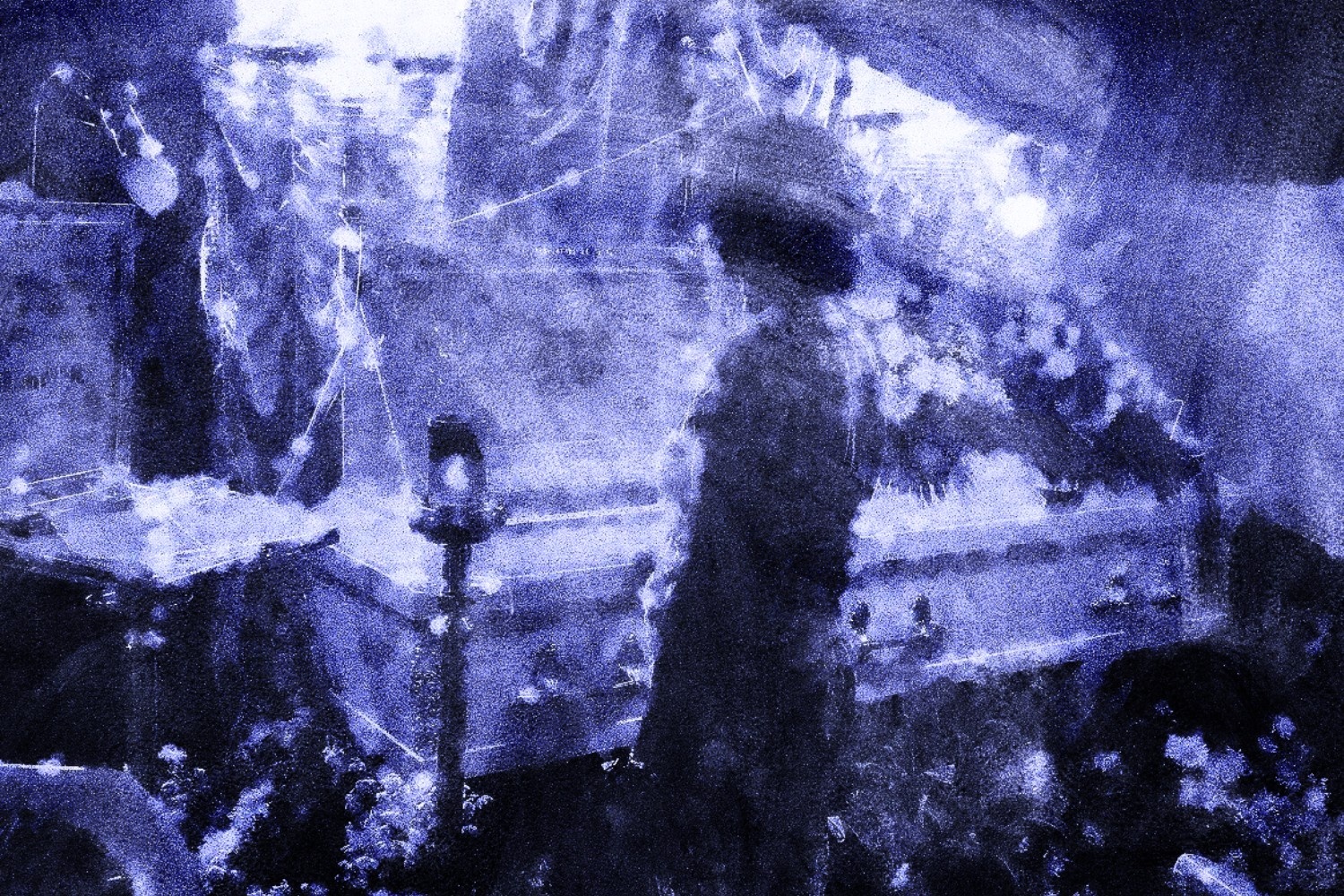
The delicate balance of pakikiramay involves understanding that your quiet presence often speaks louder than words.
There’s a certain stillness when you enter a Filipino burol—not because it’s silent, but because everyone instinctively knows how to behave.
A chair is offered. Coffee is poured. Someone nods in acknowledgment. And without being told, you understand: this is not just a place to mourn but a space to be careful—with words, with actions, with presence.
In the Philippines, wakes are deeply communal. People come not just to grieve but to accompany. And over time, a kind of shared etiquette has formed—unwritten, but widely understood.
First things first: Presence and respects
At a wake, showing up already means something. Still, there are small gestures that matter.
Guests are expected to sign the registration book—a quiet record of who came to stand with the family. Condolences are best offered early, simple, and sincere. “Nakikiramay po ako” is enough. No need for long speeches. In grief, less is often more.
When silence is the kinder choice
Not everything needs to be asked. Not everything needs to be said.
If the family doesn’t talk about the cause of death, take it as a cue. Whether it’s sudden, complicated, or deeply painful, they may not be ready—or willing—to revisit it. Asking questions, even out of concern, can feel intrusive.
In these moments, respect means restraint. Let them share what they want, when they want. Sometimes, the kindest thing you can offer is simply being there—without needing explanations.
What you wear matters
Grief, in Filipino culture, is also expressed visually.
Black is the traditional color, but white and other muted tones are equally acceptable. Bright colors—especially red—are avoided, seen as too celebratory for the occasion.
Clothing should be modest and understated. It’s not about standing out but blending in with quiet respect.
The unwritten rules: You don’t question
Some customs may feel unusual, but they are followed almost instinctively.
There’s pagpag—stopping somewhere else before heading home to avoid bringing spirits with you. There’s also the avoidance of saying “goodbye,” with many choosing to leave quietly or say “Mauna na ako,” to not tempt fate.
Food, too, carries meaning. Families generously offer snacks or meals, and it’s polite to accept—even just a little. But bringing food home is discouraged, tied to the belief that it carries the presence of death beyond the wake.
Abuloy: Knowing what helps most
Giving abuloy—a monetary donation—is one of the most practical ways to support a grieving family.
Placed discreetly in a white envelope, it helps cover funeral expenses, which can be overwhelming. For families who are well-off, mass cards and flowers are also thoughtful gestures of sympathy.
But when the family is struggling—especially after prolonged illness or sudden loss that drained resources—cash assistance becomes not just appreciated, but necessary. In these cases, generosity speaks louder than formality.
Don’t make the wake about you
Grief has a way of revealing intentions.
No matter how close you were to the person who passed, a wake is not the place to perform your grief or take center stage. Long speeches, dramatic retellings, or drawing attention to yourself can feel misplaced.
This moment belongs to the one being remembered—and to the family left behind. The best way to honor both is to step back, not forward.
Not always somber
Filipino wakes are not defined by silence alone.
As the night deepens, conversations grow, laughter occasionally breaks through, and card games or small gambling sessions begin. These are not signs of disrespect but ways to keep vigil—ensuring the deceased is never left alone.
Visits can be brief, often around 30 minutes to an hour, unless you’re close to the family. What matters is that you came and that you came with care.
A culture of care
At its heart, Filipino funeral etiquette is about empathy—expressed not through grand gestures but through quiet understanding.
Because in the end, what lingers is not what you said or did—but how gently you carried yourself in someone else’s grief.