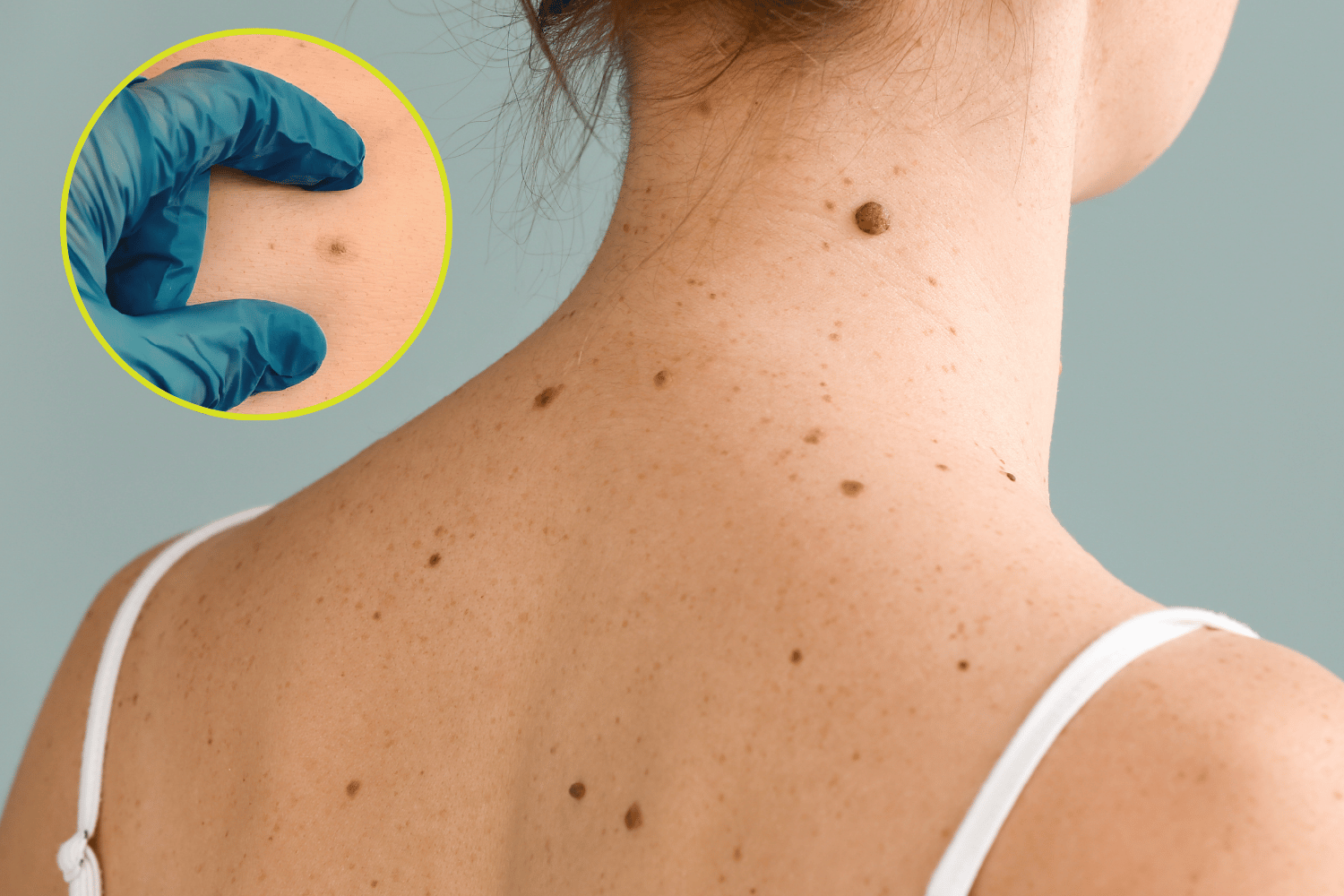
If you’ve looked in the mirror lately and noticed new spots, bumps, or freckles, you are not alone. Getting older changes our skin, and it is easy to assume every new dark spot is a mole. While that thought can cause some anxiety, aging skin actually develops a lot of completely harmless growths. Understanding why this happens and how to tell the difference between a normal part of aging and something that needs a doctor’s attention can give you peace of mind.
Your skin takes a lot of wear and tear over the years. The appearance of new spots later in life is usually driven by three main things. First is past sun exposure. The sun exposure you got decades ago when you were younger acts a bit like a time bomb, causing dark patches to show up later in life. Second, our skin doesn’t shed dead cells as fast as it used to, causing them to build up in thicker patches that feel like textured bumps. Finally, genetics play a huge role; if your parents got a lot of spots as they aged, your body will likely do the same.
While you can occasionally get a brand-new mole later in life, most new spots are actually other harmless growths. The most common are seborrheic keratoses, which look like tan, brown, or black bumps that were stuck onto the skin with wax. Another common find is cherry angiomas, which are tiny, bright red or purple bumps caused by a collection of blood vessels near the skin’s surface. You might also notice sun spots or age spots, which are flat, dark patches that show up on areas that get a lot of sun, like your hands, face, and arms.
Checking for signs of skin cancer
While the vast majority of these skin changes are harmless, the main reason to keep an eye on them is to catch skin cancer early. It helps to use the ABCDE guide to check your skin.
- A is for Asymmetry – the two halves of the spot don’t match.
- B is for Border – the edges are blurry or jagged.
- C is for Color – the spot has different shades of brown, black, or red instead of just one color.
- D is for Diameter – the spot is larger than a pencil eraser.
- E is for Evolving – the most important factor. If a spot is actively changing in size, shape, or color, or if it starts to itch or bleed, a doctor needs to look at it. You can also use the “Ugly Duckling” rule: if a new spot looks entirely different from all the other marks on your body, get it checked.
You cannot stop time, but you can protect your skin by taking a few easy steps. Schedule a routine skin check with a dermatologist to get a baseline professional opinion. Between appointments, do a quick self-exam once a month using mirrors to check your body from head to toe. If you find an annoying bump, never try to scratch or cut it off yourself; a doctor can remove it quickly and safely in their office. Finally, wear an SPF 30 or higher sunscreen every day, because sun rays continue to damage skin at any age.
Noticing more spots on your body as you get older is a totally normal part of life. By staying observant, protecting yourself from the sun, and seeing a doctor when you are unsure, you can keep your skin healthy and safe.