Our geography makes disaster preparedness more important.
Every time heavy rain falls, we perform the same national ritual.
Roads disappear underwater. Families carry appliances upstairs. Commuters wade through filthy floodwater. Classes and government work are suspended. Rescue teams scramble. Politicians inspect flooded communities. Then the water recedes, we clean up, and somehow everyone behaves as though something extraordinary just happened.
But flooding in the Philippines is not extraordinary. It is one of the most predictable things about living here.
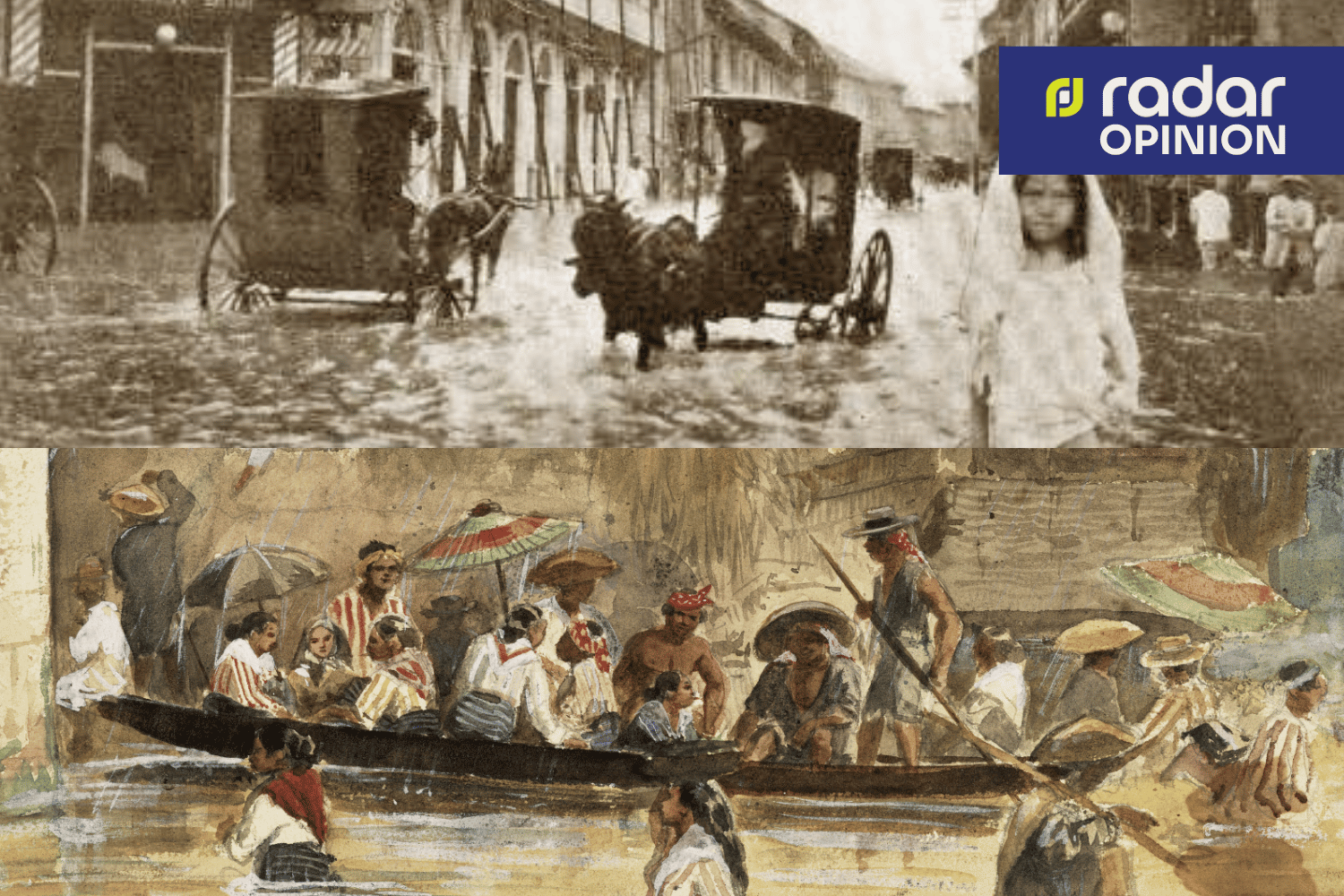
Historical accounts and images show Manila inundated long before climate change became part of everyday vocabulary. British artist Charles Wirgman illustrated flooded Manila streets during the rainy season as early as 1857. Historical records likewise document destructive floods during the Spanish and American colonial periods. Archival photographs even show España Boulevard underwater during World War II.
Then came the Great Philippine Floods of 1972, which submerged vast portions of Luzon after weeks of relentless rain. In 1991, Tropical Storm Uring triggered the catastrophic Ormoc flash flood that killed thousands. More recently, Ondoy in 2009 demonstrated just how quickly extreme rainfall could overwhelm Metro Manila.
The lesson has been repeated for generations.
We know our geography. We know which communities sit beside rivers and esteros. We know which developments have risen on former wetlands and natural catch basins. We know Habagat comes every year. We know typhoons come every year.
So why do we still govern as though floodwater catches us by surprise?
The August 2026 Habagat rains have made the question impossible to ignore. Torrential rainfall once again submerged roads and communities across Metro Manila and parts of Luzon, forcing evacuations and disrupting transportation and everyday life. ABS-CBN News reported widespread flooding from the monsoon rains, including severe traffic along parts of Katipunan.
Yes, climate change is making extreme rainfall increasingly difficult to manage. And yes, the flood-control corruption scandal deserves every bit of public anger directed at it.
Greenpeace Philippines has warned that enormous amounts of climate-related government spending may have been compromised by corruption. Senate investigations and government audits have also raised questions about ghost projects, unfinished structures, questionable contracts and substandard flood-control works.
The scandal eventually became so politically toxic that ₱255.5 billion originally intended for flood-control projects in the 2026 national budget was realigned to other priorities, according to the Philippine News Agency.
But corruption is only part of what bothers me.
Where is the obsessive preparation for something we already know will happen?
Why aren’t drainage systems treated as critical infrastructure that must be inspected, upgraded and cleared constantly? Why aren’t LGUs stockpiling enough boats, life vests, rescue vehicles and emergency equipment for communities they already know will flood?
Why aren’t there enough decent evacuation facilities where displaced families can stay safely and with dignity? Why aren’t pumping stations, waterways and drainage networks treated with the same urgency politicians give to more visible infrastructure?
And why do we keep approving developments without seriously asking one basic question: where will the water go?
Flood management cannot simply mean pouring concrete beside a river. It requires land-use planning, functioning drainage, maintained waterways, reliable pumping systems, trained rescue personnel, sufficient equipment and evacuation facilities prepared before the first drop of rain falls.
We cannot prevent every flood. The Philippines sits in the path of tropical cyclones, experiences powerful monsoons and contains vast low-lying areas naturally vulnerable to water. Extreme rainfall can overwhelm even good infrastructure.
But that makes preparedness more important, not less.
Government cannot control the rain. It can control whether drainage systems work. It can control whether waterways are maintained. It can control whether rescue boats are available. It can control whether evacuation centers are ready. And it can control whether public money intended to protect people actually builds what taxpayers paid for.
The tragedy is no longer that the Philippines floods.
The tragedy is that after centuries of evidence, billions of pesos spent and generations of Filipinos wading through the same brown water, our government still acts surprised when it rains.
READ:

OPINION: Gen Z workers are not lazy for choosing WFH during floods
John Lloyd Aleta
August 12, 2026
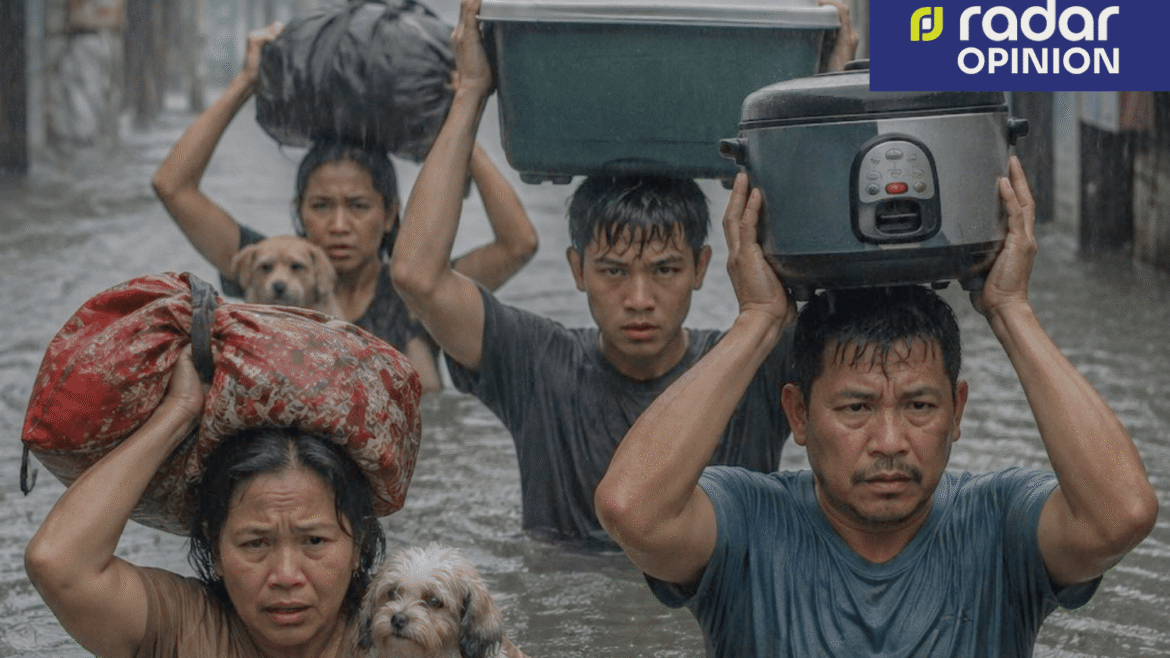
OPINION: Floodwater does not just soak people, it strips away their dignity
Kenneth M. del Rosario
August 17, 2026

OPINION: When a barangay outsmarts the flood, what does it say about everyone above it?
Mianne Cudal
August 13, 2026
Tags: Alto Broadcasting System-Chronicle Broadcasting Network NewsCharles Wirgmancorruptiondisaster preparednessdrainage systemsEspaña Boulevardevacuation centersflood controlfloodsGreenpeace PhilippineshabagatinfrastructureKatipunanLocal Government Unitsluzonmanilametro manilanatural disastersOrmocPhilippine News AgencyPhilippine Senatephilippinessouthwest monsoonTropical Storm UringTyphoon Ondoytyphoons